
Eucarazzia elegans
Eucarazzia elegans
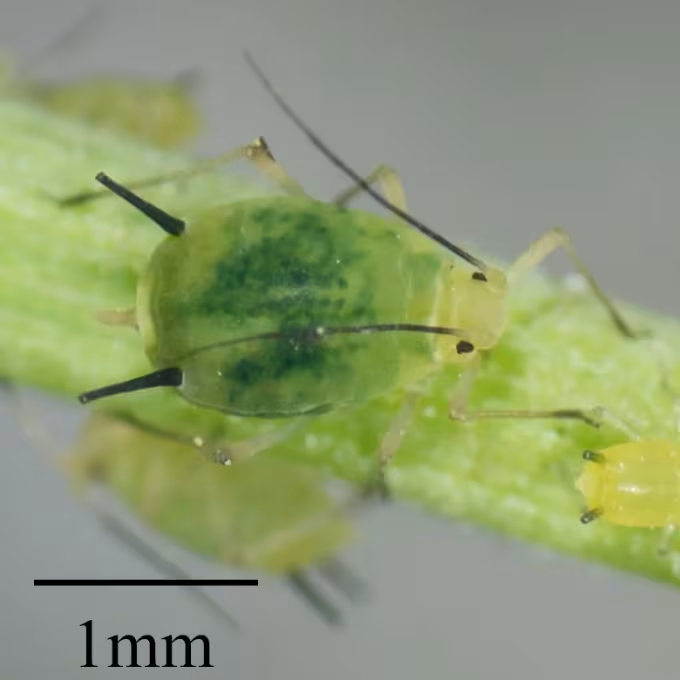
Description
How to identify
Eucarazzia elegans is a species of fruit fly belonging to the family Tephritidae, order Diptera. This insect is a specialized phytophage known for its association with various species within the Lamiaceae family.
Adult flies are relatively small, characterized by wings adorned with distinct dark patterns or bands, a hallmark feature of tephritid flies used for species identification.
Their bodies are typically camouflaged, allowing them to blend into the foliage and stems of host plants, which provides protection from predators and aids in successful egg-laying.
The larval stage is internal, living within the leaf tissues. These larvae have evolved mouthparts specifically designed for mining plant cells, enabling them to create tunnels as they feed.
Identification often relies on the observation of adult morphology in combination with the specific type of damage inflicted upon the host plant during the active growing season.
What it damages
The primary hosts for Eucarazzia elegans are plants from the Lamiaceae family, particularly cultivated mints, sage, oregano, and other aromatic herbs of economic importance.
The damage is primarily caused by the larvae, which feed on the mesophyll layer of the leaves. This feeding process results in the creation of characteristic tunnels known as mines.
As the larvae consume the interior tissue, the leaves lose their photosynthetic capacity, leading to chlorosis, necrosis, and premature wilting of the affected foliage.
For commercial growers, this damage is significant because it reduces the yield and quality of the herbs, often rendering the harvest unsuitable for commercial processing or sale.
Persistent infestations result in stunted plant growth and a significant reduction in the oil content of the plants, which negatively impacts the market value of the crop.
When it appears
The seasonal activity of Eucarazzia elegans is tightly linked to the phenology of its host plants and local climatic conditions, typically beginning in the early spring.
As temperatures rise, overwintering pupae emerge as adults, initiating the first cycle of reproduction and colonization of young, emerging foliage.
Depending on the region, multiple generations may occur throughout the growing season, with peak activity levels often observed during warm, humid periods of the summer.
The most intense mining activity occurs during late spring and early summer, which necessitates careful scouting and monitoring during these critical growth phases of the crop.
As autumn approaches and temperatures drop, the fly population enters a diapause state, with pupae overwintering in the soil or within plant debris to survive the colder months.
Signs of infestation
The most prominent sign of infestation is the appearance of light-colored, serpentine mines on the surface of the leaves, which eventually turn brown as the tissue dies.
Leaves may show signs of deformation and curling due to the internal tunneling and the subsequent loss of structural integrity of the leaf lamina.
Tiny entry or exit holes may be visible on the underside of the leaf, indicating where larvae have entered or left the plant tissue for pupation.
Severe infestations often mimic symptoms of nutrient deficiency or water stress, but closer inspection reveals the internal galleries that confirm the presence of the miner.
- Serpentine mines on the leaf surface.
- Tissue necrosis leading to brown patches on foliage.
- Leaf curling and deformation.
- Reduced vigor and stunted plant growth.
Control measures
Cultural practices form the backbone of control, including the prompt removal and destruction of crop residues where pupae reside during the off-season.
Implementing crop rotation and maintaining clean fields by removing alternative wild hosts of the Lamiaceae family can significantly limit the pest population.
Biological control, including the encouragement of natural parasitoid wasps, is a viable strategy in organic farming systems to manage the density of the fly population.
Chemical control should be applied judiciously, targeting the adult stage before egg-laying occurs, using insecticides approved for use on aromatic and medicinal crops.
Monitoring with sticky traps is an essential component of an integrated pest management (IPM) strategy, allowing growers to time interventions effectively based on population counts.
Taxonomy
- Latin name
- Eucarazzia elegans
- Order
- Hemiptera (bugs, aphids, leafhoppers)
- Family
- Aphididae
- EPPO code
- EUCZEL
Discussion
No discussions yet — be the first.