
Lime aphid
Eucallipterus
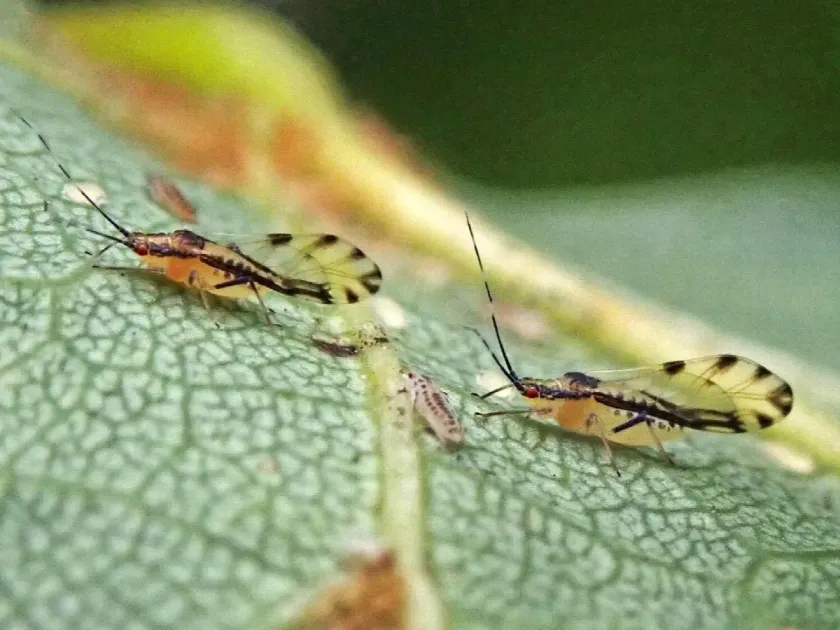
Description
How to identify
The lime aphid (Eucallipterus tiliae) is a small sap-sucking insect belonging to the family Aphididae. Adults measure approximately 1.5–2.5 mm in length and are distinguished by a pale yellow-green body with dark, transverse bands on the abdomen and distinctive dark-edged wings.
The nymphs go through several developmental stages (instars) before reaching maturity. While they resemble adults, they are significantly smaller and lack fully developed wings, making them more difficult to spot without close inspection of the foliage.
This species is a host-specific pest, meaning it exclusively feeds on lime trees (Tilia species). Its biological survival strategy involves intense reproduction during the warmer months to capitalize on the host's vegetation period.
The lime aphid is well-adapted to urban environments, often thriving on street trees where natural predators might be less abundant. Their life cycle includes both asexual reproduction in spring and summer, and sexual reproduction in autumn to produce overwintering eggs.
Honeydew production is a key identifier of this species. These insects excrete large quantities of sugary fluid, which is not just a biological byproduct but a critical component of their interaction with the ecosystem, particularly with ants.
What it damages
The primary damage caused by lime aphids is the extraction of phloem sap from the leaves. This constant withdrawal of nutrients weakens the tree, particularly in young or stressed specimens, leading to reduced growth rates.
As the aphids feed, they cause the leaves to curl, yellow, and occasionally drop prematurely. This process not only affects the aesthetic quality of the lime tree but also impairs its overall physiological health by reducing the surface area available for photosynthesis.
The accumulation of honeydew on leaf surfaces provides a perfect substrate for sooty mold fungi. This black fungal growth creates a layer that blocks sunlight and interferes with gaseous exchange, further stressing the tree's systems.
Ants often form a mutualistic relationship with the aphids, vigorously defending them against natural predators like ladybirds and lacewings. This protection allows the aphid population to explode in number and spread more effectively across the canopy.
In public or residential areas, the honeydew creates significant nuisance problems. It drips from the canopy onto sidewalks, parked vehicles, and outdoor furniture, creating a sticky residue that is difficult to clean and promotes mold growth in the surroundings.
When it appears
Overwintering occurs in the egg stage, with eggs tucked away in the crevices of the bark or near leaf buds. These eggs remain dormant through the winter, ready to hatch as soon as the lime trees begin to bud in the spring.
Spring marks the emergence of the stem mothers, which initiate the first generation. As temperatures rise, the population enters a phase of rapid expansion, typically peaking between late May and July, depending on the local climate.
During the summer, the presence of winged adults allows for the migration and colonization of new leaves and nearby lime trees. This period requires constant vigilance if the trees are prone to heavy infestations.
Autumn triggers a shift in the reproductive strategy. The aphids transition from asexual to sexual reproduction, leading to the production of fertilized eggs that will endure the cold winter months until the following year.
The severity of the infestation is highly weather-dependent. Heavy rain showers can physically dislodge and kill many aphids, whereas warm, dry weather conditions provide optimal environments for a population explosion.
Signs of infestation
The most immediate sign of an infestation is the curling and distortion of new leaf growth. If you observe the leaves closely, you may see a loss of their natural luster and a tendency to turn yellow or pale green prematurely.
Frequent ant traffic on the trunk and main branches is a reliable indicator that an aphid colony is present. The ants are almost certainly tending to the aphids to collect the sugary honeydew they secrete.
The presence of sooty mold—a black, powdery coating on the leaves—serves as a visible confirmation that the aphids have been feeding for an extended period. This layer can sometimes be wiped off, revealing the health of the leaf surface underneath.
A sticky residue on the foliage or on the objects underneath the tree is a classic symptom. This honeydew is visible upon touch and, in some cases, can be seen glistening on the leaves under direct sunlight.
A direct inspection of the underside of the leaves usually reveals the insects themselves. They are often clustered in lines along the leaf veins, taking advantage of the concentrated flow of sap in those areas.
Control measures
Good horticultural practice is the first line of defense. Ensuring that lime trees are adequately watered and mulched can significantly improve their resistance to pest pressure and reduce the impact of aphid feeding.
Biological control is highly effective and should be prioritized. Encourage the presence of natural enemies such as ladybirds, lacewings, and hoverflies by maintaining a biodiverse garden and avoiding the use of broad-spectrum pesticides.
Systemic insecticides are generally the most effective chemical solution for lime aphids. Because these insects are often protected on the undersides of leaves, systemic products travel through the plant's vascular system, ensuring the aphids ingest the poison while feeding.
Sticky traps or trunk banding can be used to disrupt the mutualistic relationship between aphids and ants. By preventing ants from reaching the canopy, you expose the aphids to predation, which is often sufficient to keep populations below damaging levels.
In cases where chemical intervention is required, perform applications early in the morning or late in the evening to protect pollinators. Always follow the label instructions carefully to minimize the impact on beneficial insects and the surrounding environment.
Taxonomy
- Latin name
- Eucallipterus
- Order
- Hemiptera (bugs, aphids, leafhoppers)
- Family
- Aphididae
- EPPO code
- EUCASP
Discussion
No discussions yet — be the first.