
Erythroneura lawsoniana
Erythroneura lawsoniana
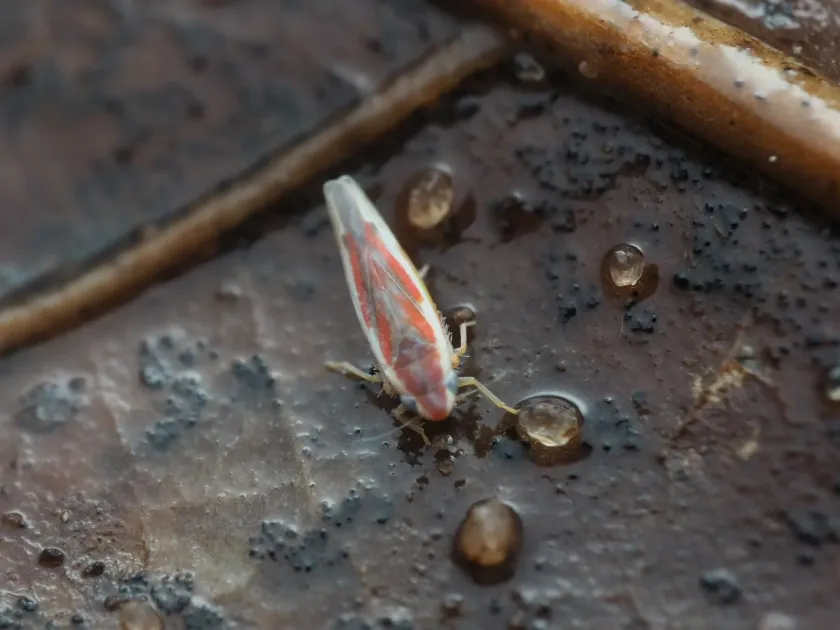
Description
How to identify
Erythroneura lawsoniana is a small leafhopper species belonging to the Cicadellidae family, within the order Hemiptera. Adult individuals typically reach about 3 millimeters in length and feature a light, greenish-yellow coloration with distinct wing patterns.
These insects primarily inhabit the underside of leaves on various woody plants and shrubs. They are highly mobile and exhibit characteristic jumping movements when disturbed, making them elusive for casual observation.
The life cycle involves several developmental stages, starting from eggs deposited within the plant tissue. As nymphs mature, they molt multiple times before reaching the adult stage, with all immature stages sharing similar feeding habits with adults.
The species overwinters as adults in sheltered environments, such as leaf litter, cracks in tree bark, or near garden debris. As temperatures rise in spring, they resume feeding and start the reproductive process.
The duration of each generation depends on environmental conditions, particularly thermal accumulation. In optimal temperatures, the life cycle is completed relatively quickly, allowing for multiple generations per year.
What it damages
This pest feeds on the sap of various deciduous trees and shrubs, including ornamental plants and agricultural crops. By piercing the plant cells, the leafhopper removes nutrients and causes significant physiological stress to the host.
The primary symptom is the development of mottled or stippled leaves, characterized by small white or yellow spots on the upper leaf surface. This damage is caused by the loss of chlorophyll in the affected leaf areas.
Heavy infestations lead to reduced photosynthetic capacity, which directly affects the plant's vigor and overall fruit or flower production. Severe cases may result in early leaf senescence and premature leaf drop.
Young nursery stock and saplings are particularly vulnerable, as their slower recovery rates can lead to stunted growth. Weakened plants are also more susceptible to secondary environmental stresses like drought or heatwaves.
Furthermore, leafhoppers can serve as vectors for various plant pathogens. While feeding, they may transmit viral or phytoplasma diseases, which can cause chronic damage that persists long after the insects are gone.
When it appears
The activity cycle of this leafhopper begins in late spring, following the first period of sustained warm weather. Adults emerge from their overwintering sites and colonize fresh, growing foliage.
Peak populations usually occur during mid-summer. Favorable conditions during this time accelerate the development of nymphs, often leading to rapid increases in local insect density within managed gardens and landscapes.
As autumn approaches, day lengths decrease and evening temperatures drop, signaling the insects to seek overwintering sites. Their feeding intensity declines as they prepare for the winter period.
Environmental factors such as heavy, prolonged rain or unseasonable cold snaps can significantly reduce population levels. Conversely, dry and hot summers often promote higher survival rates and population growth.
Garden managers are advised to monitor the foliage from May through August. Early detection is crucial to preventing localized infestations from becoming widespread problems across the property.
Signs of infestation
The most recognizable sign is the presence of pale stippling or spotting on the foliage. These marks are consistent across the leaf surface and indicate where the insects have been feeding for extended periods.
Close inspection of the underside of leaves reveals the presence of both adults and nymphs. Additionally, empty, translucent cast skins (exuviae) left behind after molting are a clear indicator of active leafhopper colonization.
In highly infested plants, leaves may turn entirely yellow or brown, curl at the edges, and fall off prematurely. This leads to a thin, unhealthy canopy that is easily noticeable even from a distance.
Poor plant performance and stunted growth are often secondary indicators of long-term feeding damage. A decline in aesthetic value is a common complaint in ornamental gardens afflicted by this pest.
A simple diagnostic test involves shaking branches over a piece of white paper or cloth. The sudden presence of tiny jumping insects confirms the identity and helps estimate the severity of the infestation.
Control measures
Effective management of Erythroneura lawsoniana involves a combination of cultural and chemical interventions. Reducing the population early is the most successful strategy to protect the plant.
Sanitation is a vital cultural practice. Clearing away fallen leaves and debris around the base of trees and shrubs removes overwintering sites, significantly reducing the starting population for the following spring.
Biological control agents, such as predatory beetles, lacewings, and parasitic wasps, can help manage leafhopper populations. Maintaining a diverse garden environment encourages the presence of these beneficial organisms.
When chemical control is necessary, systemic or contact insecticides registered for the specific host plant should be used. It is important to target the underside of the leaves to ensure effective coverage.
Rotating insecticide modes of action is highly recommended to prevent the development of resistance. Always follow the label instructions carefully to ensure efficacy and minimize impact on the surrounding environment.
Taxonomy
- Latin name
- Erythroneura lawsoniana
- Order
- Hemiptera (bugs, aphids, leafhoppers)
- Family
- Cicadellidae
- EPPO code
- ERYTLA
Discussion
No discussions yet — be the first.