
Pear woolly aphid
Eriosoma pyricola
Description
How to identify
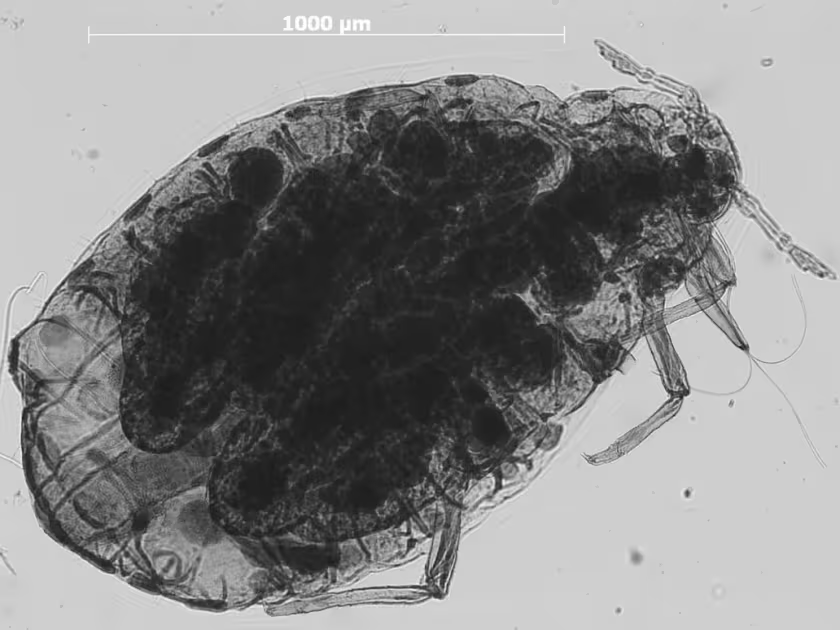
The pear woolly aphid (Eriosoma pyricola) is a member of the Hemiptera order and Aphididae family. It is characterized by the presence of dense, white, waxy filaments that cover its colonies, giving them a cotton-like appearance.
A key identifying feature is the reddish fluid (hemolymph) released when the aphids are crushed, which distinguishes them from many other aphid species found on fruit trees.
These insects have a specialized life cycle adapted to the phloem tissues of pear trees. They live in dense colonies, primarily on bark crevices, pruning wounds, and sometimes on roots.
Taxonomically, the species is distinct due to its host specificity. Understanding its biology is crucial for effective orchard management, as it differs from the better-known woolly apple aphid.
The waxy covering serves as a physical barrier, protecting the aphids from predators and contact-based environmental stress or chemical treatments.
What it damages
The pear tree (Pyrus) is the exclusive host for this aphid. Infestations occur on both aerial parts, such as branches and trunks, and below the soil level on the root system.
By feeding on the sap, the aphid causes the tree to develop galls or swellings in the bark and roots. This physical damage disrupts the transport of water and nutrients throughout the tree.
Root infestations are particularly destructive and difficult to detect until the tree shows visible symptoms of decline, such as yellowing leaves and reduced vigor.
Persistent infestations lead to a decrease in overall tree health, stunted growth, and increased susceptibility to other diseases and environmental stressors.
The accumulation of honeydew secreted by the aphids provides a medium for sooty mold growth, which inhibits photosynthesis and reduces the aesthetic and commercial value of the fruit.
When it appears
Activity begins in early spring as the trees start their seasonal sap flow. Overwintering nymphs emerge from cracks and crevices to start new colonies.
The population reaches its peak during the summer months, facilitated by favorable temperatures and the availability of tender new growth. Multiple generations can occur within a single growing season.
As temperatures begin to drop in the autumn, the aphids shift their behavior toward preparing for winter. They seek shelter in protected areas to survive the dormant period.
Winter survival is typically achieved in the nymphal stages, which are resilient to cold temperatures. They wait in bark fissures or protected root zones until the next spring.
Monitoring for the first signs of activity at the green tip stage is essential for timely intervention and preventing mass colonization of the canopy.
Signs of infestation
The most visible sign of an infestation is the appearance of white, woolly patches on the bark of trunk, branches, or at the base of the tree.
- Presence of galls or lumps on the bark surface.
- Curled or distorted leaves indicating restricted sap flow.
- Premature leaf drop or early autumn discoloration.
- Stunted growth of new shoots and weakened tree structure.
- Reddish stains on the bark when the white colonies are disturbed.
Careful inspection of pruning wounds and bark crevices is recommended, as these are preferred initial sites for colonization. Underground infestations may be suspected if the tree shows signs of drought stress despite adequate watering.
Chronic infestation results in a decline in productivity, making the tree look visibly different from healthy, vigorous trees in the orchard.
Control measures
Integrated pest management (IPM) is the most effective approach. This includes proper cultural practices such as regular pruning and removal of old, flaky bark where aphids may hide.
Controlling root suckers and maintaining a weed-free zone around the base of the trunk reduces the available habitats for the pest to establish itself.
Chemical control focuses on the use of systemic insecticides that are absorbed by the tree and circulate in the sap, targeting the aphids even within their waxy protective layers.
Treatment timing is critical, with applications best made during the early spring before the colonies become too dense and protected by their waxy secretions.
Encouraging natural enemies, such as lady beetles, lacewings, and parasitic wasps, can provide significant biological control and maintain aphid populations below economically damaging thresholds.
Taxonomy
- Latin name
- Eriosoma pyricola
- Order
- Hemiptera (bugs, aphids, leafhoppers)
- Family
- Aphididae
- EPPO code
- ERISPY
Discussion
No discussions yet — be the first.