
European hedgehog
Erinaceus europaeus
Description
How to identify
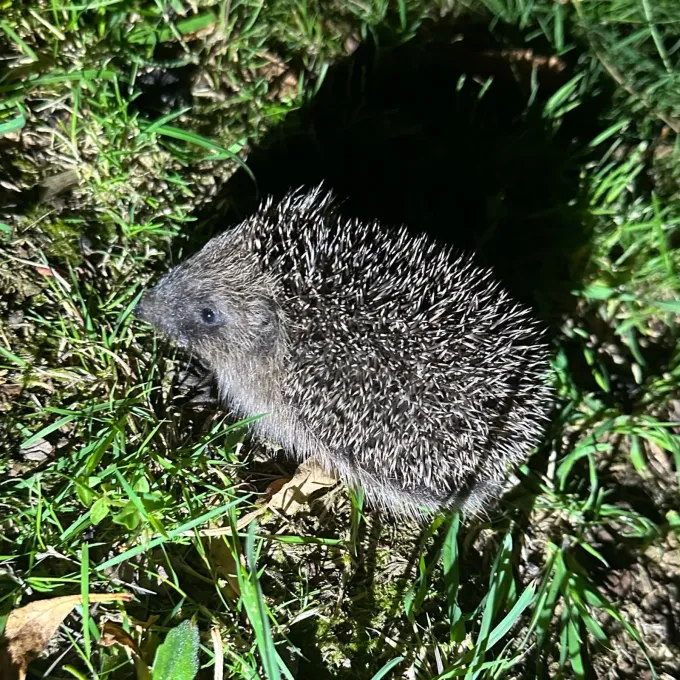
The European hedgehog (Erinaceus europaeus) is a small mammal belonging to the order Eulipotyphla and the family Erinaceidae. It is characterized by its sharp spines and a compact, sturdy body.
Typically nocturnal, hedgehogs rely heavily on their keen sense of smell and hearing to forage for food during the night, covering large areas in search of sustenance.
While often perceived as beneficial due to their insectivorous nature, they are omnivores and will consume a variety of foods, including cultivated plants, when faced with limited natural resources.
Their adaptability allows them to thrive in diverse environments, ranging from dense woodland to well-maintained agricultural areas and domestic gardens.
The breeding season typically results in one litter per year, with juveniles becoming independent relatively quickly, increasing the local population density by late summer.
What it damages
Although hedgehogs primarily feed on insects and invertebrates, they are known to damage low-growing fruits such as strawberries and raspberries when these crops are ripe.
They can cause significant damage by trampling over vegetable beds, breaking delicate stems, and disturbing the soil around the root systems of young plants.
Hedgehogs also occasionally damage melons and other vine crops, biting into the flesh of the fruit, which often leads to rapid decay and loss of the entire harvest.
Their constant digging in flower beds and vegetable plots in search of beetle larvae can displace soil, leaving roots exposed to drying or physical damage.
The presence of hedgehogs can also introduce various parasites into the garden, which may complicate pest management and sanitation in the growing area.
When it appears
Hedgehog activity commences in early spring, as soon as temperatures rise and invertebrates become active again after the winter dormant period.
The peak period of damage to horticultural crops occurs during mid-summer, coinciding with the peak ripening time of seasonal small fruits.
As autumn approaches, hedgehogs increase their foraging activity to accumulate sufficient fat reserves to survive the upcoming winter hibernation.
This period of increased feeding can lead to more frequent and persistent visits to gardens, causing extended damage to late-season vegetable harvests.
Activity ceases once the temperatures drop significantly, prompting the hedgehogs to seek out insulated nesting sites for their winter sleep.
Signs of infestation
Nocturnal rustling and high-pitched snuffling sounds in the garden are primary indicators that hedgehogs are present in the immediate vicinity.
Small, five-toed tracks on moist garden soil, particularly around berry patches or newly cultivated beds, confirm their presence.
Fruits that have been gnawed or have jagged indentations along their edges provide clear visual evidence of hedgehog foraging.
Noticeable disturbance in mulch or soil, characterized by shallow excavations near plant bases, often points to hedgehog digging activity.
Fecal deposits found along pathways or near dense vegetation indicate well-established foraging routes used by these animals.
Control measures
The most effective method for prevention is installing sturdy, fine-mesh fencing around sensitive crops, ensuring the bottom is buried to prevent burrowing.
Elevated growing systems or tiered planters can be used to keep fruits and vegetables away from the reach of ground-foraging animals.
Maintaining a clean garden by clearing away brush piles, leaf litter, and woodpiles reduces the availability of suitable nesting sites, discouraging hedgehogs from settling.
Ultrasonic deterrents can be effective in creating an uncomfortable environment for hedgehogs, encouraging them to move away from specific garden zones.
Removing potential attractants, such as pet food left outside overnight, is essential to decrease the likelihood of hedgehogs focusing on your property.
Taxonomy
- Latin name
- Erinaceus europaeus
- Family
- Erinaceidae
- EPPO code
- ERNAEU
Discussion
No discussions yet — be the first.