
Algerian hedgehog
Erinaceus algirus
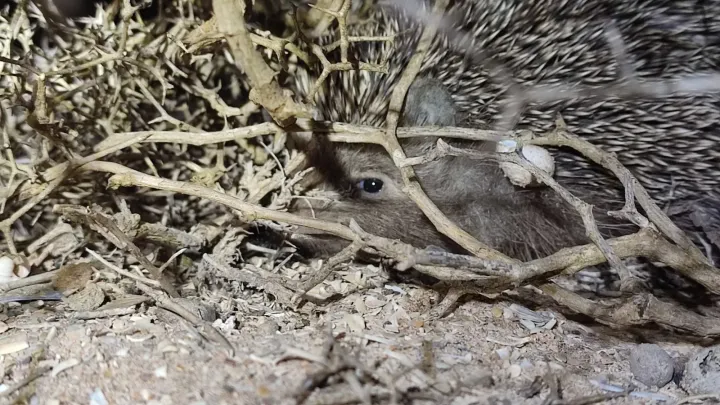
Description
How to identify
The Algerian hedgehog (Erinaceus algirus) is a small mammal belonging to the Erinaceidae family. It is distinct from the common hedgehog due to its lighter-colored spines and slightly more elongated facial features, which are adapted to its Mediterranean habitat.
This species is primarily nocturnal, making it elusive and difficult to spot during daytime hours. Its coat color ranges from sandy to light brown, providing camouflage in dry, rocky soils and arid landscapes where it typically resides.
The hedgehog is an adaptable omnivore with a physiological tolerance for dry environments. It is highly capable of navigating through gardens and agricultural plots in search of food, utilizing its keen sense of smell and hearing.
Reproduction typically occurs during the warmer months, with females producing one or two litters per season. High survival rates for offspring can lead to localized population surges, increasing the pressure on horticultural crops.
Anatomically, the species possesses specialized teeth for processing a wide diet, which includes both invertebrates and plant materials. This biological trait is what turns a potentially neutral animal into a nuisance for farmers and gardeners.
What it damages
The primary agricultural damage caused by the Algerian hedgehog involves the consumption of fruits and vegetables that rest on or near the ground. Melons, watermelons, and pumpkins are particularly susceptible to their gnawing.
Strawberry patches are frequently targeted, as the hedgehog feeds on ripe berries and causes mechanical damage to the plants by walking over them. This trampling leads to the loss of both fruit and foliage.
Young seedlings of cucumbers, squashes, and other cucurbits are often disturbed. The hedgehogs' habit of digging into the soil in search of insects or moisture can uproot tender plants, leading to their rapid desiccation and eventual death.
Damaged crops are prone to secondary infections from fungi and bacteria due to the open wounds left by the animal's teeth. This significantly reduces the quality of the harvest and the storage potential of the produce.
Aside from direct consumption, the overall structure of the soil is often negatively affected. Constant digging disrupts the root zones and affects the efficiency of irrigation systems by exposing underground roots to air.
When it appears
The Algerian hedgehog is most active during the spring and summer months. Peak damage occurs when crops are ripening, as the animals are drawn to the high moisture and sugar content of garden produce.
During dry summer heatwaves, hedgehogs increase their nocturnal foraging activities to meet their water requirements. This makes them a major threat to vegetable gardens that rely on irrigation during these dry spells.
As autumn approaches, the animals prioritize weight gain to prepare for the winter, leading to intensified feeding behavior. They may continue to raid late-season crops, including root vegetables, before entering their winter state.
Winter is a period of hibernation or reduced activity for the species. During these cold months, the threat to agricultural land is minimal to non-existent as the animals remain in sheltered dens.
Proactive monitoring should begin early in the spring, focusing on signs of nest construction or tracks in the soil. Early identification of hedgehog activity allows for pre-emptive protective measures before the main harvest season begins.
Signs of infestation
The most recognizable signs of an Algerian hedgehog infestation are jagged, irregularly shaped bite marks on fruits located near the ground level. These marks are distinct from those made by insects or larger rodents.
Trampled vegetation and matted areas within rows of crops are strong indicators of hedgehog presence. These patches of damage are often accompanied by soil displacement caused by the animal's constant digging.
The discovery of burrows near hedgerows, under sheds, or hidden by dense weeds confirms that the animals are utilizing the garden as a habitat. These burrows often have disturbed soil at the entrance.
Droppings are a clear signal of occupancy; they often contain indigestible remains, such as beetle exoskeletons, seeds, and fruit fibers. Finding these on garden paths confirms the animal's active foraging route.
Sudden wilting of young plants without evidence of soil pathogens often suggests that the root system has been disturbed by animal movement. A thorough inspection of the root area usually reveals physical evidence of digging.
Control measures
Physical exclusion is the most reliable method for protecting crops. Installing fine-mesh wire fencing around garden beds, buried at least 15-20 cm deep, will prevent hedgehogs from digging underneath to access the plants.
Sanitation of the garden area is crucial; removing piles of organic debris, dead leaves, and overgrown weeds eliminates potential nesting sites. Keeping the garden tidy forces the animals to seek shelter elsewhere.
Ultrasonic deterrent devices can be employed to create an unfavorable environment for hedgehogs. While these are not always 100% effective, they often act as a sufficient deterrent when used in conjunction with other methods.
Motion-activated lighting is an excellent non-lethal tool. Because hedgehogs are nocturnal and prefer dark environments, sudden light activation acts as a significant deterrent, discouraging them from entering the garden.
In cases of severe infestation, humane live-trapping and relocation are viable options. Captured animals should be released in a natural, non-agricultural habitat far from garden areas to ensure they do not return.
Taxonomy
- Latin name
- Erinaceus algirus
- Family
- Erinaceidae
- EPPO code
- ERNAAL
Discussion
No discussions yet — be the first.