
European hedgehog
Erinaceus
Description
How to identify
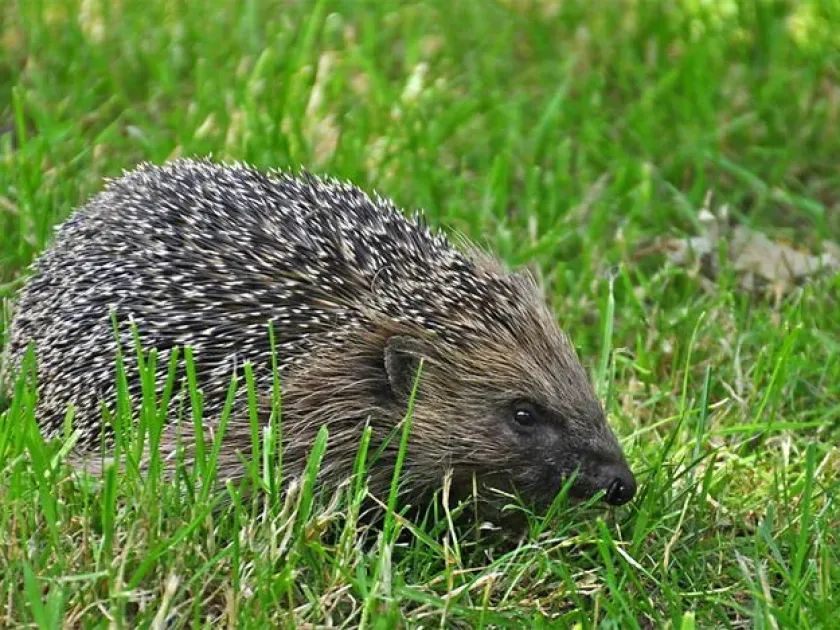
The European hedgehog (Erinaceus europaeus) belongs to the order Eulipotyphla and the family Erinaceidae. It is a distinctive mammal covered with sharp spines used for defense.
Adult hedgehogs weigh between 800 and 1200 grams and grow up to 30 centimeters in length. They possess strong claws and sharp teeth, adapted for rooting through soil and capturing prey.
These animals are primarily nocturnal, remaining active from dusk until dawn. During the day, they hide in dense vegetation, piles of wood, or burrows hidden under plant roots.
Breeding occurs throughout the warmer months, and the offspring become independent quickly. Young hedgehogs are curious and may explore vegetable gardens in search of easy food sources.
Hedgehogs rely heavily on their acute sense of smell and hearing, which allows them to track down food even in dense garden beds or under thick layers of mulch.
What it damages
Although classified as insectivores, hedgehogs are omnivorous. In agricultural settings, they often feed on ripe berries, melons, and pumpkins lying directly on the soil surface.
Hedgehogs damage crops by biting through the outer skin of fruits to reach the juicy flesh, which leads to premature decay and invites secondary fungal or bacterial infections.
When searching for insects or larvae in the garden, hedgehogs disturb the soil structure and tear the root systems of young vegetable seedlings, causing them to wilt or die.
Their nocturnal movement through tight garden rows can flatten young plants and disturb the topsoil, negatively affecting the growing conditions of delicate crops.
Besides direct crop damage, hedgehogs can harbor various ectoparasites, including ticks and fleas, which can spread to domestic animals and humans residing near the garden.
When it appears
Hedgehog activity begins in early spring as they emerge from hibernation, with the exact timing depending on local weather conditions and the thawing of the soil.
The period of highest risk for gardens coincides with the peak harvest months of June, July, and August, when berries and various fruits are maturing on the ground.
In September and October, hedgehogs display increased feeding activity to accumulate fat reserves before the winter season, potentially leading to more frequent visits to garden plots.
Hibernation typically occurs from November to March or April, during which time the animals remain inactive in sheltered nests underground or under dense debris.
Seasonal patterns vary by latitude, with warmer climates potentially extending the period of hedgehog activity and subsequent garden damage during the late autumn.
Signs of infestation
One of the primary signs of hedgehog presence is disturbed soil around garden beds, where clumps of earth have been unearthed during their search for insects.
Visible punctures and half-eaten fruit on strawberries, melons, or pumpkins are clear indicators of hedgehog feeding habits, distinguishing them from smaller insect damage.
Specific droppings often found along pathways or in the middle of garden beds serve as reliable evidence of hedgehog movement and activity in the area.
Displaced mulch, such as straw or wood chips, along with flattened vegetation at the base of the rows, often marks the travel paths of hedgehogs through the garden.
Nocturnal rustling and sniffing sounds within hedges or low-lying garden foliage are strong indicators that a hedgehog is present and actively exploring the site.
Control measures
Installing low, fine-meshed wire fencing around vegetable beds is an effective physical barrier that prevents hedgehogs from accessing sensitive crops.
Raising fruits off the soil surface using plastic supports or specialized trays protects them from contact with ground-dwelling animals, reducing the likelihood of damage.
Promptly harvesting crops as they ripen minimizes the presence of overripe fruit on the ground, which acts as a powerful attractant for hedgehogs.
Removing garden debris, woodpiles, and thick weed patches eliminates suitable hiding spots, encouraging hedgehogs to move to less sensitive areas of the property.
Ultrasonic repellers, when positioned correctly at ground level, can create an environment that hedgehogs find unpleasant, effectively discouraging them from entering the garden space.
Taxonomy
- Latin name
- Erinaceus
- Family
- Erinaceidae
- EPPO code
- ERNASP
Discussion
No discussions yet — be the first.