
Heather aphid
Ericaphis fimbriata
Description
How to identify
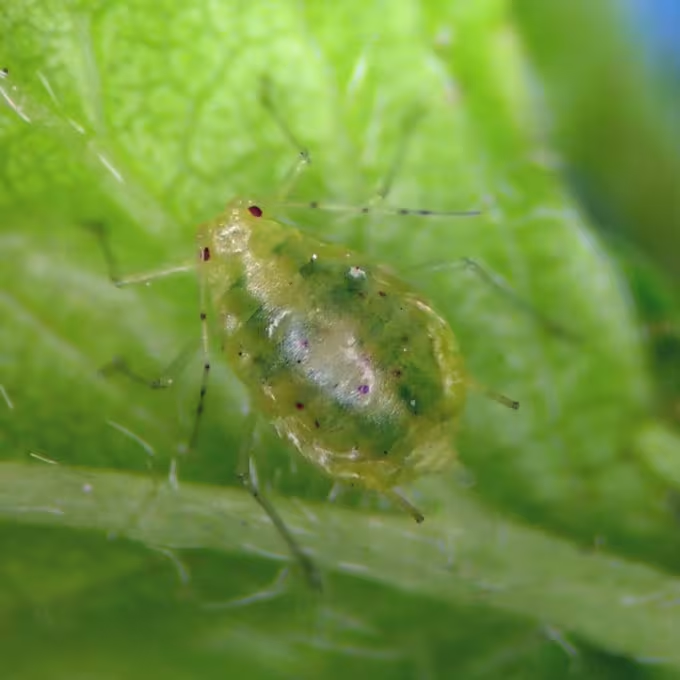
The heather aphid (Ericaphis fimbriata) belongs to the order Hemiptera and the family Aphididae. It is a tiny insect adapted specifically to colonize plants within the Ericaceae family.
These insects possess a piercing-sucking mouthpart, which is the primary tool used to extract phloem sap from the host plant's tender tissues.
The color of the aphid is typically light green or yellowish, allowing it to blend effectively with the stems and leaves of heather plants, making early detection challenging.
The aphid's body may be covered in light waxy filaments or secretions, which often provide additional camouflage against the plant surface.
Like many aphid species, Ericaphis fimbriata reproduces through parthenogenesis during the growing season, enabling rapid population spikes in ideal weather conditions.
What it damages
The primary hosts of this aphid are ornamental shrubs, specifically those in the genus Calluna (heather) and Erica (heaths).
By feeding on the succulent tips of young shoots, the aphids rob the plant of vital nutrients, leading to stunted shoot development and vigor loss.
The damage causes the plant to become stressed, which significantly increases its susceptibility to opportunistic fungal diseases and environmental stressors like frost.
Heavy infestations result in leaf curling, yellowing, and in severe cases, the death of young branches and terminal buds.
The aesthetic value of the ornamental plants is severely degraded, as the foliage loses its healthy color and symmetry due to the insect feeding activity.
When it appears
The activity cycle of Ericaphis fimbriata begins in early spring, as soon as temperatures remain consistently above freezing and the plant's sap begins to flow.
The peak population density usually coincides with the period of rapid vegetative growth, typically from late spring through mid-summer.
Several generations of the aphid can occur in one season, as individual colonies continue to expand and relocate to new foliage.
By autumn, the aphids prepare for the dormant period, often moving to sheltered parts of the plant or depositing eggs on the stems.
Milder winters may allow a larger portion of the population to survive, increasing the probability of a severe infestation at the start of the following season.
Signs of infestation
The initial sign of an infestation is the curling or twisting of leaves at the top of the plant's stems, hindering the shoot's straight growth.
The presence of honeydew, a sticky, sugary substance excreted by the aphids, is a classic indication that a colony is active on the plant.
A secondary sign is the appearance of sooty mold, a black fungus that grows on the sugary honeydew, which can inhibit photosynthesis on the affected leaves.
Closer examination of the plant's interior or the underside of the leaves usually reveals clusters of these small insects huddled together.
A general lack of luster in the foliage and a visible stagnation in growth are clear indicators that the plant is suffering from an aphid attack.
Control measures
Consistent monitoring of garden beds, particularly checking the tips of new growth, is the first and most effective step in managing the heather aphid.
For minor infestations, manual removal or spraying with diluted insecticidal soaps can be highly effective without harming beneficial insects.
In cases of widespread infestation, the application of systemic insecticides is recommended to ensure the chemical reaches the aphids within the dense foliage.
- Apply treatments during calm weather to minimize drift.
- Always follow label guidelines regarding application intervals.
- Avoid spraying during flowering to protect pollinators.
Good agricultural practices, such as proper soil acidification and mulching, ensure the plants remain vigorous and less prone to the stress that attracts pest populations.
Taxonomy
- Latin name
- Ericaphis fimbriata
- Order
- Hemiptera (bugs, aphids, leafhoppers)
- Family
- Aphididae
- EPPO code
- FIMBFI
Discussion
No discussions yet — be the first.