
Freshwater sponge
Ephydatia
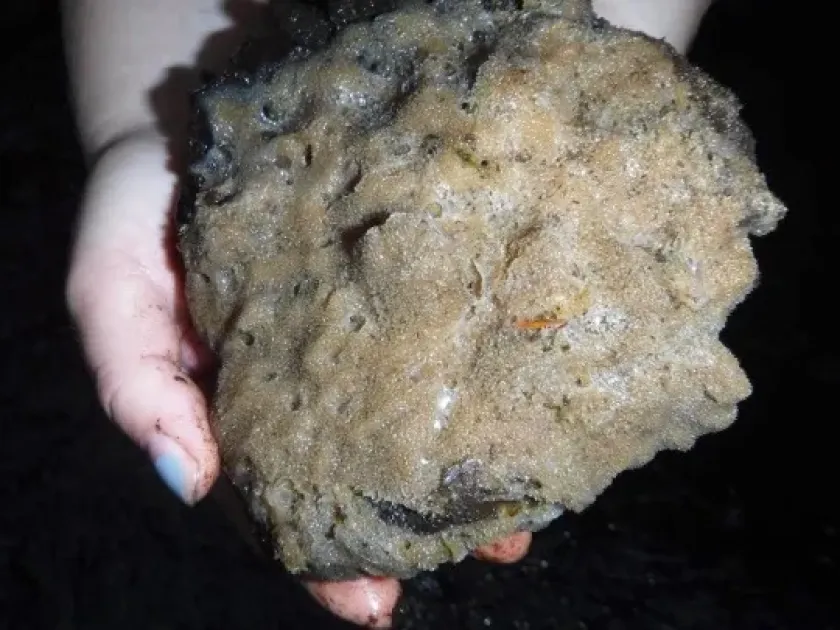
Description
How to identify
Freshwater sponge (Ephydatia) belongs to the Porifera phylum, class Demospongiae, and family Spongillidae. These are sessile colonial organisms that attach themselves to solid surfaces underwater.
They appear as crusty, cushion-like, or branched growths, ranging in color from whitish-grey to bright green. The green hue is usually the result of symbiotic algae residing within the sponge tissues.
The internal structure is supported by a skeleton of siliceous spicules, which gives the colony a stiff, rough texture. A system of pores and canals facilitates water filtration for feeding.
Ephydatia reproduces both sexually and asexually. The asexual method involves the formation of gemmules — dormant buds that are highly resistant to desiccation, freezing, and hypoxia.
Their ability to thrive in various freshwater habitats makes them a significant component of the aquatic ecosystem, sometimes becoming invasive in managed ponds.
What it damages
Freshwater sponges primarily affect aquatic plants (hydrophytes) such as reeds, cattails, and pondweeds by overgrowing their stems and leaves with dense layers.
This mechanical covering interferes with the plants' essential processes, including photosynthesis, gas exchange, and nutrient uptake, leading to tissue stress and necrosis.
In aquaculture, Ephydatia can clog water intake systems, filtration grids, and hydro-engineering structures, significantly disrupting normal water flow and pond management.
The decaying sponge matter can also promote the colonization of other pests and opportunistic pathogens that further damage the aquatic flora.
Excessive sponge development alters the chemical balance of the water, potentially negatively impacting the overall productivity and oxygen levels within the pond.
When it appears
The active growth phase of Ephydatia typically begins in spring when water temperatures rise above 10–12°C and daylight hours increase significantly.
Summer months are the peak of vegetation, during which the colonies grow rapidly, spreading across the available surfaces of aquatic vegetation.
As autumn approaches and temperatures drop, the sponges initiate the formation of gemmules, and the main body of the colony gradually decays.
The winter period is spent in a dormant state as gemmules, which are extremely resilient and can survive even if the pond bottom freezes solid.
Understanding this cycle is crucial for water management professionals to time their maintenance interventions effectively before the next growth season.
Signs of infestation
A key indicator of an infestation is the appearance of rough, greyish, or green patches on the stems of aquatic plants, often resembling a coarse coating.
Affected plants may show signs of yellowing or wilting, as the sponge layer prevents them from receiving adequate sunlight and restricts their metabolic activity.
A foul, organic smell emanating from dense plant patches is often a sign that sponge-covered tissues are beginning to decay beneath the surface.
Colonies can become heavy enough to pull down stems towards the water surface, causing an unnatural distortion of the plant's natural growth habit.
The presence of small, granular structures (gemmules) in the pond silt is a clear sign of a high potential for infestation in the upcoming year.
Control measures
Effective management focuses on the mechanical removal of aquatic vegetation during the autumn months to eliminate the substrate required for sponge overwintering.
Draining ponds and allowing the bottom to dry out and freeze during winter is a traditional and effective method to reduce the viability of gemmules.
Monitoring and controlling the input of organic nutrients is essential, as high organic levels stimulate the rapid growth of filter-feeding sponges.
Installing fine-mesh filters and maintaining water circulation can help mitigate the impact of sponges on sensitive hydraulic structures.
- Mechanical removal of aquatic weeds
- Draining and disinfecting pond beds
- Controlling organic nutrient influx
- Regular inspection of filtration systems
Taxonomy
- Latin name
- Ephydatia
- Family
- Spongillidae
- EPPO code
- EPHYSP
Discussion
No discussions yet — be the first.