
Embaphion
Embaphion
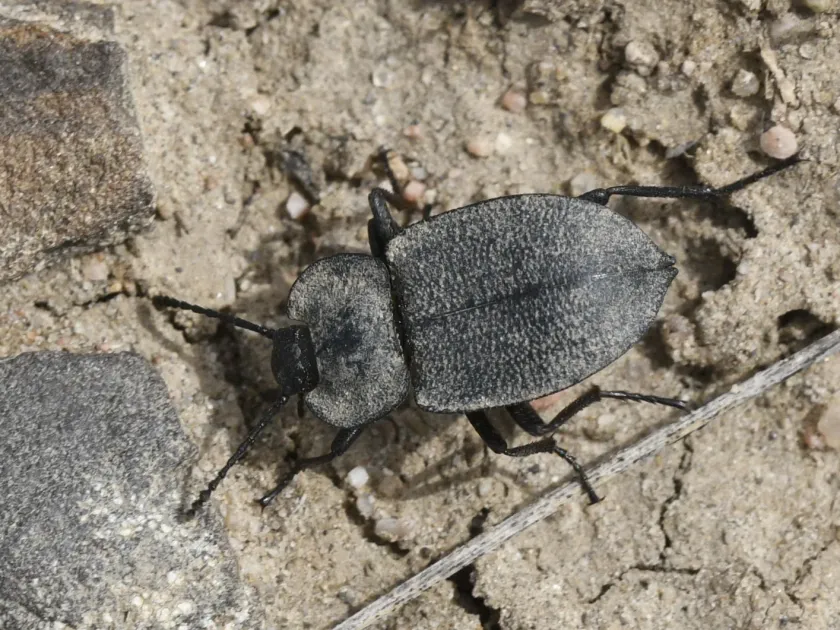
Description
How to identify
Embaphion is a genus belonging to the Tenebrionidae family, commonly known as darkling beetles. These insects are characterized by a robust, often dark or black body that may appear matte or slightly glossy depending on the specific environment.
Adult beetles typically possess durable elytra (wing covers) that are frequently broadened at the sides. Depending on the species, the adult length generally ranges from 10 to 15 mm, and they are recognized by their chewing mouthparts.
The larvae, often referred to as false wireworms, have an elongated, cylindrical, and heavily sclerotized body. This hard outer shell provides protection and allows them to move efficiently through the soil profile.
The life cycle consists of a complete metamorphosis: egg, larva, pupa, and adult. Adults are largely nocturnal, preferring to spend the daylight hours hidden within the soil or under surface debris.
Reproduction occurs in the soil, where females deposit their eggs. The rate of population growth is highly influenced by soil moisture levels and temperature, making certain seasons more favorable for their development.
##damage##The primary damage is caused by the larvae, which live underground and feed on the seeds, seedlings, and root systems of various crops. This feeding activity leads to thinning of stands and can cause complete plant death.
The pest targets a variety of agricultural crops, including cereals, vegetables, and technical crops. By destroying the root neck and root structure, the larvae prevent plants from absorbing water and nutrients effectively.
Adult beetles may also cause damage by feeding on the aerial parts of young plants, especially during the early stages of growth. This creates mechanical wounds, which may predispose the plant to further pathogen attacks.
The economic impact of Embaphion is particularly high during dry conditions when plants are already under water stress. Compromised roots fail to support the plant, leading to significant yield losses across infested fields.
Monitoring the density of larvae in the soil is crucial for management, as even moderate populations can significantly reduce the overall vigor and yield potential of a field.
When it appears
Adult activity begins in the early spring as soil temperatures rise. At this time, overwintered beetles emerge to feed on crop residues and young plant shoots.
The summer months are critical for the larval stage. As soil temperatures peak and moisture levels remain optimal, the larvae feed aggressively on the root zones of the developing crops.
By late summer, the larvae often enter the pupal stage. Following this transition, the new generation of adults may continue to feed until the onset of autumn cooling.
In autumn, adults seek shelter deep within the soil profile to overwinter. This behavioral adaptation ensures survival through harsh winter temperatures.
Farmers can monitor for the presence of these beetles using soil surveys or by placing pitfall traps at night to detect adult activity levels before planting begins.
Control measures
Deep autumn plowing is the most effective cultural practice to manage populations. This method physically disturbs the larvae and pupae in the soil, exposing them to predators and adverse weather conditions.
Seed treatment with systemic insecticides is a standard preventive measure. Applying these chemicals ensures that the young roots and shoots are protected during the most vulnerable early stages of growth.
Crop rotation plays a significant role in reducing infestation levels. By avoiding consecutive plantings of susceptible crops, the cycle of larval development is disrupted.
Weed control is essential, as these plants provide alternative food sources and refuges for beetles in the field, helping to maintain their population throughout the year.
- Application of granular or liquid soil insecticides for high-pressure infestations.
- Biological control using entomopathogenic fungi or nematodes to reduce soil-dwelling larval populations naturally.
Taxonomy
- Latin name
- Embaphion
- Order
- Coleoptera (beetles)
- Family
- Tenebrionidae
- EPPO code
- EMBASP
Discussion
No discussions yet — be the first.