
Emarginula elongata
Emarginula elongata
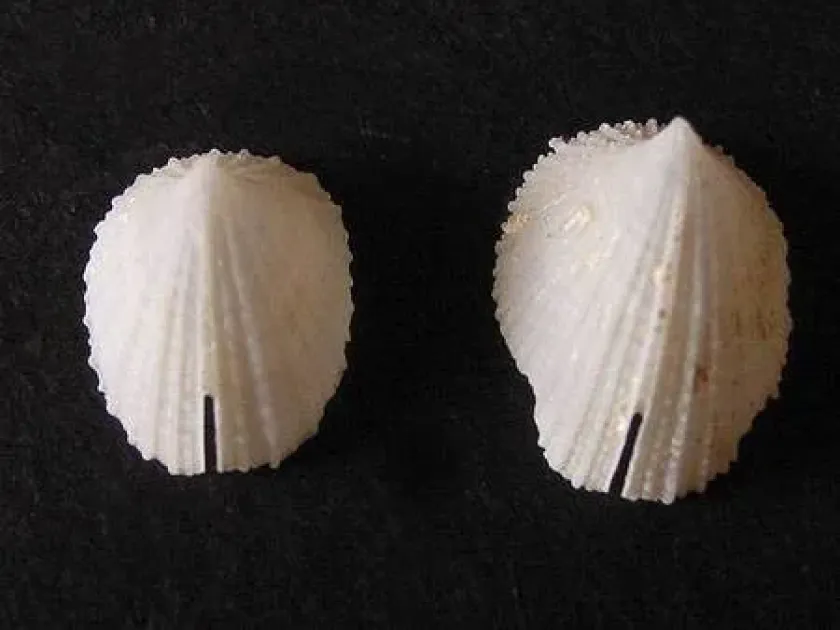
Description
How to identify
Emarginula elongata is a marine gastropod mollusk belonging to the Fissurellidae family. It is characterized by its small, elongated shell with a distinct apical slit, which is typical for this genus.
While often categorized in broader biological databases, in an agricultural context, it is considered an accidental intruder rather than a primary crop pest.
The systematic position is: Phylum Mollusca, Class Gastropoda, Order Lepetellida, Family Fissurellidae. This species is native to marine environments and requires high salinity to survive.
Identification is performed by observing the shell morphology. The shell is white to yellowish, with a strong radial sculpture and a characteristic hole (slit) at the summit.
Field agronomists should distinguish this species from terrestrial slugs, which lack a permanent hard shell. E. elongata is strictly confined to aquatic or hyper-saline conditions.
What it damages
The primary damage associated with Emarginula elongata is mechanical, specifically related to the clogging of irrigation pipelines and filtration systems in coastal greenhouses.
It does not feed on terrestrial crops, meaning direct crop destruction is virtually non-existent. However, it can transport marine pathogens if the water source is contaminated.
The presence of these mollusks in irrigation water signifies inadequate water treatment, which often correlates with high salinity levels damaging to most commercial vegetable crops.
In greenhouses where brackish water is used, the shells can break down, altering the pH of the growing substrate and leading to nutritional imbalances in sensitive plants.
The economic impact is generally low but cumulative, as it increases maintenance costs for pumping equipment and requires more frequent system flushing.
When it appears
The life cycle of E. elongata is driven by marine seasonal variations. Activity levels peak during the summer months when seawater temperatures are optimal for metabolic processes.
During colder months, these mollusks exhibit reduced activity and may retreat into deeper crevices or stay buried in the substrate to avoid thermal stress.
Spawning occurs when environmental conditions are stable, leading to the dispersal of larvae that can infiltrate pumping systems if left unprotected.
Monitoring should be most intense during seasonal high tides or after storm surges, as these events increase the density of mollusks near freshwater intake points.
Agrometeorological data regarding sea level rise and tidal cycles can be used to predict periods of potential mollusk influx into agricultural water supplies.
Signs of infestation
The most evident sign is the discovery of empty or occupied shells in inline filters, nozzles, or drip irrigation emitters during routine inspections.
Slime trails found on the edges of concrete irrigation canals or reservoirs suggest the movement of gastropods within the system.
Degradation of irrigation performance, such as reduced flow pressure or uneven water distribution, is a common indirect sign of system clogging by mollusk populations.
Localized patches of increased soil salinity near the water outlets can be a sign that the water source is inadequately treated and potentially hosting marine organisms.
In some cases, the presence of shells in the soil indicates that irrigation water has been contaminated with marine debris, requiring a comprehensive audit of the water treatment plant.
Control measures
Management strategies focus on preventing the ingress of marine mollusks into the irrigation supply rather than lethal control of the species.
- Installation of high-efficiency multi-stage filtration systems
- Regular cleaning of sedimentation tanks and water reservoirs
- Monitoring of water salinity to ensure it meets irrigation standards
- Installation of fine-mesh screens at the primary water intake
The use of chemical molluscicides is not recommended, as it creates a risk of chemical runoff into local aquatic ecosystems and may harm beneficial species.
Preventive maintenance, including back-flushing irrigation lines regularly, is the most effective way to prevent E. elongata from causing operational issues.
Integrated water management that prioritizes freshwater sources over brackish water is the ultimate solution to eliminating the risks associated with this marine mollusk.
Taxonomy
- Latin name
- Emarginula elongata
- Order
- Molluscs
- Family
- Fissurellidae
- EPPO code
- EMAREL
Discussion
No discussions yet — be the first.