
Diodora
Diodora
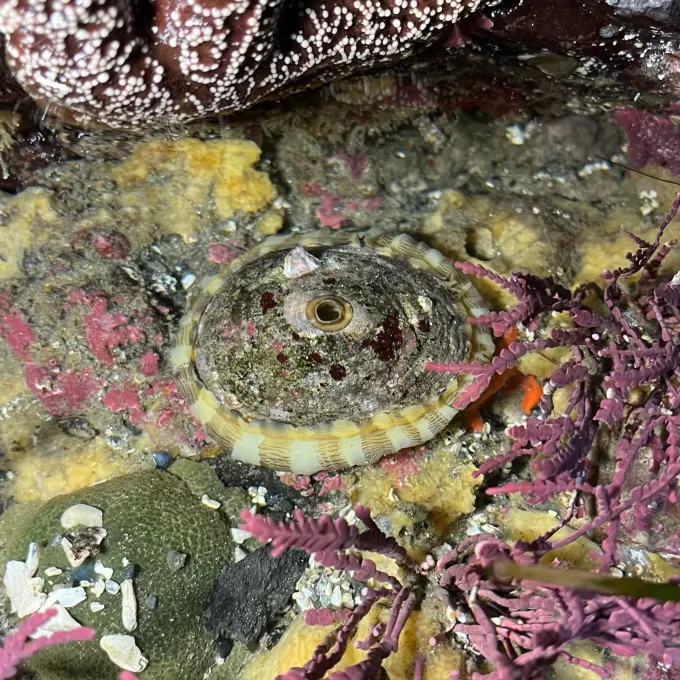
Description
How to identify
The genus Diodora belongs to the family Fissurellidae, commonly known as keyhole limpets. These marine gastropods are recognized as significant pests in agricultural settings near coastal zones.
They are characterized by a conical shell featuring a distinct hole at the apex, which is used for waste expulsion and respiratory intake.
Typically, these limpets measure between 1 and 5 centimeters in length, allowing them to infiltrate pipes and irrigation equipment of various diameters.
Their shells often display radial ribs and gray or brown pigmentation, which serves as camouflage when attached to submerged rocky surfaces or industrial structures.
From an agronomic perspective, while they are naturally marine organisms, their presence in irrigation infrastructure poses a persistent technical threat.
What it damages
The primary agricultural damage caused by Diodora relates to the biofouling of water distribution systems, pumps, and greenhouse irrigation equipment.
Large colonies can restrict water flow within pipes, causing significant pressure drops and mechanical failure of critical pumping equipment.
In hydroponic environments, the buildup of these organisms leads to water contamination, which disrupts nutrient solution balance and delivery.
This interference results in inconsistent water supply to crops, which directly negatively impacts overall plant health and harvest yields.
Economic losses are mainly attributed to downtime for maintenance, system repairs, and the cost of replacing components clogged by mollusk shells.
When it appears
The population activity of Diodora is closely linked to water temperature and environmental conditions in the primary water source.
Spring and early summer are peak periods for larval settlement, as warmer temperatures trigger the development and dispersal of new generations.
During the warmer months, colonies grow rapidly, necessitating frequent inspection and cleaning of intake structures and filtration units.
In temperate or subtropical climates, these mollusks can maintain year-round activity if the water supply remains constant and sufficiently warm.
Monitoring should be most intense during the transition seasons when changes in water flow rates often correlate with the movement of these organisms.
Signs of infestation
A sudden decrease in irrigation system performance, characterized by reduced pressure or flow rates, is a primary indicator of an infestation.
Direct inspection of pump intakes and filtration meshes usually reveals the presence of keyhole-shaped shells firmly attached to the infrastructure.
The presence of a foul odor near pump stations often indicates the decomposition of organic matter trapped within the clogged pipe sections.
Small debris or fragments of broken shells found in drippers and spray nozzles confirm the presence of mollusks within the downstream distribution network.
Visible clusters of limpets attached to internal pipe surfaces during scheduled maintenance shutdowns are clear evidence of advanced colonization.
Control measures
The most effective management strategy involves the use of fine-mesh mechanical filtration at water intake points to prevent larvae from entering the system.
Chemical treatments, such as periodic adjustments to water pH or salinity levels, are often utilized to detach or eliminate established mollusk colonies.
- Installing high-pressure backwash systems for pipes;
- Utilization of ultrasonic biofouling inhibitors at water intakes;
- Routine mechanical cleaning of all filtration units;
- Complete system drainage and desiccation during off-seasons.
Preventive maintenance schedules should include regular checks of all narrow sections and joints where mollusks are most likely to aggregate.
Implementing a robust monitoring program is essential to detect early stages of colonization before significant irrigation failure occurs.
Taxonomy
- Latin name
- Diodora
- Order
- Molluscs
- Family
- Fissurellidae
- EPPO code
- DIODSP
Discussion
No discussions yet — be the first.