
Diodora apertura
Diodora apertura
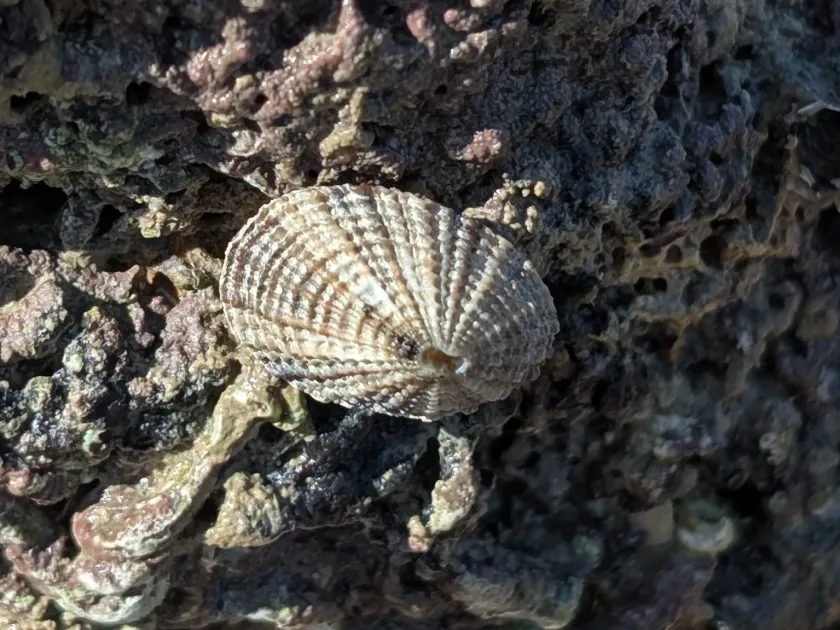
Description
How to identify
Diodora apertura is a species of marine gastropod mollusk belonging to the family Fissurellidae, commonly known as keyhole limpets.
The shell of this mollusk is cone-shaped with a distinct hole at the apex, which is used for water circulation and waste excretion.
The shell surface typically displays radial ribbing, providing a rough texture that helps the organism cling to rocky surfaces in the ocean.
Taxonomically, it falls under the class Gastropoda and the order Lepetellida, dwelling exclusively in saline maritime environments.
It is crucial to note that this mollusk does not inhabit soil and cannot survive in freshwater agricultural environments.
What it damages
There is no evidence that Diodora apertura causes damage to plants. It is not a herbivore and does not interact with agricultural crops.
Potential risks are limited to the incorrect use of untreated marine materials, such as seaweed, which might contain remnants of these shells.
The primary concern regarding such materials is soil salinity, not the presence of the mollusk itself, which is harmless to vegetation.
Agricultural systems are not suitable habitats for this species, ensuring it remains isolated from all cultivated plants.
Consequently, this organism is not listed as a pest in any agricultural databases or regulatory frameworks.
When it appears
The life cycle of Diodora apertura is driven by ocean water temperature and seasonal fluctuations in marine ecosystems.
Reproduction typically occurs when environmental conditions are optimal for larval development in the water column.
Seasonal changes affect the organism's metabolic rate, which decreases significantly during the colder months of the year.
This biological cycle is entirely independent of terrestrial agricultural cycles and planting seasons.
For research purposes, marine biologists track these limpets, but their patterns remain irrelevant to land-based crop management.
Control measures
Since Diodora apertura is not a pest, there are no control measures recommended or required for agricultural protection.
When incorporating marine-based organic fertilizers into your soil, simply ensure that the material is thoroughly washed and processed.
Proper composting of marine-sourced additives will naturally break down any organic remnants, including shells, preventing soil contamination.
Maintaining standard agronomic practices is sufficient to prevent any accidental introduction of marine organisms into the soil structure.
Should you observe unusual saline accumulation, standard soil leaching with fresh water is the appropriate management strategy.
Taxonomy
- Latin name
- Diodora apertura
- Order
- Molluscs
- Family
- Fissurellidae
- EPPO code
- DIODAP
Discussion
No discussions yet — be the first.