
Emarginula
Emarginula
Description
How to identify
Emarginula is a genus of sea snails within the Fissurellidae family. While primarily marine, these mollusks can impact coastal agriculture, specifically in areas where fields are subjected to flooding or irrigation with brackish water.
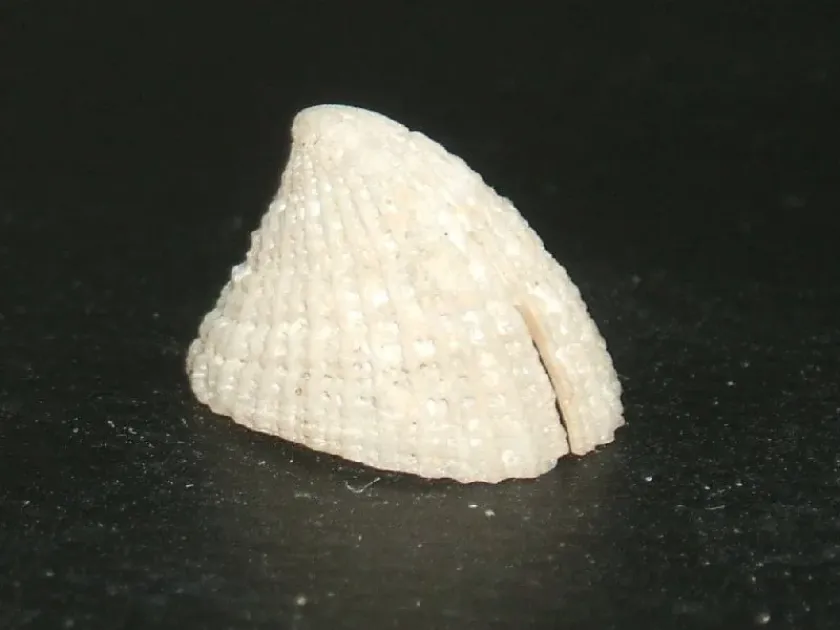
They are characterized by a small, conical, cap-shaped shell featuring a distinctive slit or notch at the anterior margin. This anatomical feature serves as an exhalant current aperture, distinguishing them from other gastropods.
Morphologically, these organisms are small, typically ranging from 10 to 15 millimeters in length. Their shells often display strong radial ribs, which provide camouflage on rocky or coarse-grained substrates.
Identification is best achieved by inspecting the soil surface near the root zone of crops, particularly in areas where moisture levels are high or stagnant after tidal events.
Understanding the classification of the genus is vital for agronomists, as different species within the genus may vary in their environmental tolerance and interaction with plant tissues.
What it damages
The damage caused by Emarginula to crops is largely opportunistic. In coastal farming, they can scrape the epidermal layers of tender seedlings, causing growth retardation and severe stress to the plant.
Feeding activity creates surface lesions on stems and leaves, which serve as entry points for secondary pathogens, such as fungi and soil-borne bacteria, leading to tissue decay.
High concentrations of these mollusks can alter the chemical composition of the immediate rhizosphere, potentially affecting the plant's ability to uptake necessary nutrients from the soil.
The physical presence of these snails in the root zone can also disrupt soil aeration, causing the root systems of sensitive salt-tolerant vegetables to struggle and fail.
Young plants are particularly vulnerable, as their tissues are soft and easily injured by the radula (feeding organ) of the snail during its nocturnal feeding cycles.
When it appears
Activity is heavily dependent on moisture and humidity. Peaks in population and feeding activity are observed during rainy seasons or periods of high tide that infiltrate agricultural soils.
Temperature plays a secondary but critical role; most species remain active in moderate temperatures, while extreme heat leads to aestivation or movement into deeper, cooler soil layers.
The lifecycle is closely synchronized with environmental humidity. During the reproductive phases, which often occur in spring, populations can expand rapidly if conditions are favorable.
Agricultural fields situated in low-lying coastal zones are most susceptible during the transition periods between seasons when soil moisture is consistent and ambient temperatures are mild.
In winter, populations usually enter a dormant phase, seeking refuge within organic debris or in the soil, effectively reducing the pressure on crops during these months.
Signs of infestation
A primary indicator of infestation is the presence of distinctive, shallow grazing marks on the plant base or on leaves that make contact with the moist ground.
A dried, shimmering trail of mucus on the soil surface or the lower stems of plants is a definitive sign that gastropod pests are actively foraging in the area.
The discovery of small, conical shells in the soil is the most reliable diagnostic sign. These shells may be found near the base of damaged or wilting plants.
Plants showing unexplained wilting or necrosis at the root collar should be inspected carefully to identify any mollusk presence.
Key symptoms include:
- Irregular holes or grazing patches on lower foliage.
- Mucus trails on stems and soil.
- Small cap-shaped shells near the plant base.
- Deterioration of stem tissues near the soil level.
Control measures
Effective control strategies focus on habitat modification. Improving drainage systems to prevent water accumulation is the most sustainable way to limit the snail's environment.
Physical barriers such as crushed shells, eggshells, or coarse sand placed around the base of crops can deter the movement of snails toward the plants.
Modern molluscicides, specifically those based on iron phosphate, are highly effective and pose minimal risk to non-target organisms, making them suitable for agricultural use.
Cultural practices, including regular weeding and the removal of plant debris, eliminate hiding spots and expose the mollusks to desiccation, significantly reducing the population.
Monitoring the field during the evening or early morning is essential for early detection, allowing for targeted manual removal before a full-scale infestation occurs.
Taxonomy
- Latin name
- Emarginula
- Order
- Molluscs
- Family
- Fissurellidae
- EPPO code
- EMARSP
Discussion
No discussions yet — be the first.