
Ecrobia
Ecrobia
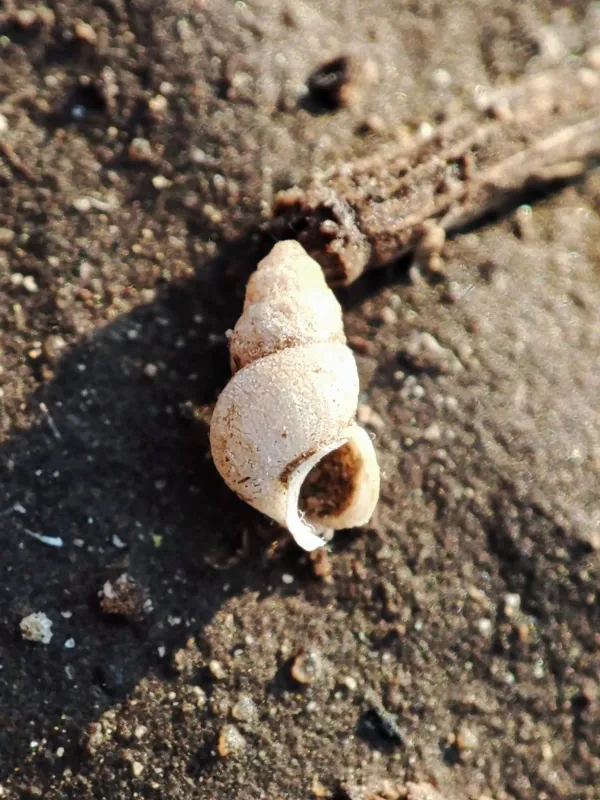
Description
How to identify
Ecrobia is a genus of small snails belonging to the family Hydrobiidae. In an agricultural context, they are recognized as pests that inhabit wetland environments, particularly affecting irrigation systems and areas with poor drainage that are adjacent to crop fields.
The snail features a small, conical shell, typically measuring no more than 5 mm in length. Its coloration, ranging from greyish to dark brown, allows it to blend seamlessly into mud, silt, or submerged plant matter, making field detection difficult for agronomists.
Scientifically, the genus falls under the order Littorinimorpha. Because many hydrobiids look similar, precise identification often requires laboratory examination of their anatomy, though field personnel can identify them by their typical association with stagnant or slow-moving water.
Their life cycle is strictly dependent on moisture. These snails are highly resilient to fluctuations in their environment and favor habitats with high levels of organic detritus. They reproduce primarily in the warmer months, depositing eggs on wet surfaces.
The population density of Ecrobia can fluctuate significantly depending on the humidity levels of the soil and water management practices in the region. They are known for their ability to thrive in modified irrigation channels where stagnant water provides stable conditions.
What it damages
The primary damage caused by Ecrobia is the consumption of young crop seedlings. In rice cultivation, these snails graze on tender shoots shortly after germination, which can lead to sparse plant stands and significant yield reduction if the infestation is severe.
Beyond direct feeding, the snails contaminate the water and the seedlings with their mucus and waste products. This contamination can create ideal conditions for the development of opportunistic fungal pathogens, further damaging the weakened plants.
Infestations are usually concentrated in flooded fields or poorly drained areas. The loss of plants during the early vegetative stage is the most critical issue, as it disrupts the uniformity of the crop canopy and necessitates expensive replanting measures.
The presence of Ecrobia is often a sign of poor water management in the field. When they occur in high numbers, the resulting economic loss is not only due to direct consumption but also due to the indirect costs associated with increased disease pressure.
Furthermore, Ecrobia can serve as an intermediate host for various trematodes that affect livestock. If cattle are allowed to graze in or near contaminated irrigation zones, they face a risk of parasitic infections linked to the presence of these snails.
Control measures
Management of Ecrobia focuses on modifying the environment to be less favorable for snail reproduction. Regular drainage and drying of fields are the most effective cultural controls, as the snails cannot survive prolonged desiccation of their habitat.
Maintaining clear irrigation channels by removing excessive aquatic vegetation is crucial. Reducing the amount of organic material and weeds minimizes the potential egg-laying sites, thereby keeping the snail population at manageable levels throughout the growing season.
In cases where cultural methods are insufficient, chemical controls using mollusicides might be employed. However, these must be used with extreme caution to protect the surrounding aquatic environment and ensure that no residues accumulate in the harvest.
Integrated pest management (IPM) should also include the introduction of natural predators where possible. Encouraging local fish or bird populations can help keep the snail population under control without the need for chemical intervention.
- Periodic drying cycles to disrupt the snail life cycle.
- Removing aquatic weeds and debris from irrigation systems.
- Monitoring water levels to minimize stagnant areas.
Taxonomy
- Latin name
- Ecrobia
- Order
- Molluscs
- Family
- Hydrobiidae
- EPPO code
- ECROSP
Discussion
No discussions yet — be the first.