
Dysaphis anthrisci
Dysaphis anthrisci
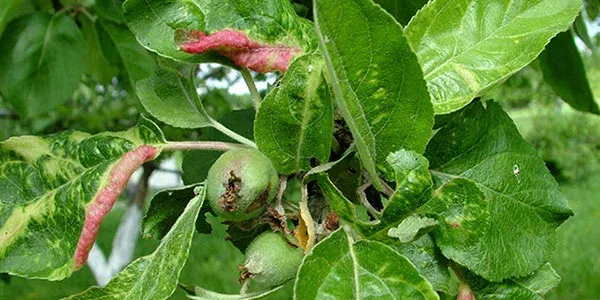
Description
How to identify
Dysaphis anthrisci is a member of the Aphididae family, known for its ability to induce distinct gall formation on the leaves of host plants through its feeding habits.
The adult aphids are relatively small, with an oval-shaped body and a color spectrum that ranges from yellowish-green to brownish, providing excellent camouflage.
Their life cycle typically involves a complex alternation between primary hosts, often woody plants, and secondary herbaceous hosts, especially those in the Apiaceae family.
Taxonomically, this species is identified by specific morphological features, including the structure of the siphunculi and the terminal process of the antennae.
Accurate identification is crucial for effective pest management, as it dictates the timing of monitoring and the potential migration patterns within the local ecosystem.
What it damages
The primary hosts and secondary hosts suffer from the piercing-sucking feeding habits of the aphid, which injects specific enzymes into the plant tissue.
This biochemical interaction triggers the growth of abnormal swellings or galls, which significantly disrupt the leaf's normal physiology and photosynthetic capacity.
Severe infestations lead to reduced plant vigor, stunting of shoot growth, and a noticeable decline in total biomass production in both crops and ornamental plants.
The secretion of honeydew promotes the growth of sooty mold, which further hampers plant health by blocking light and hindering gas exchange through the stomata.
Moreover, the damage caused by these aphids can make the host plants highly susceptible to secondary pathogens, including various fungal and bacterial infections.
When it appears
The seasonal progression begins in early spring when overwintering eggs hatch, producing fundatrices that start the colonization process on the primary host.
As temperatures rise during the summer months, winged morphs are produced, facilitating the migration of the population to secondary herbaceous hosts.
Throughout the growing season, multiple generations are produced rapidly, leading to exponential population growth if not managed by natural predators.
The autumn phase involves a return migration to the primary host, where sexual reproduction occurs and the eggs are deposited for overwintering.
Agronomists recommend monitoring these seasonal transitions closely to determine the best window for preventive or curative intervention.
Signs of infestation
The most diagnostic sign of an infestation is the presence of deformed, blister-like galls on the leaves, often displaying yellow or reddish discoloration.
Leaves tend to curl or twist around the aphid colonies, creating a protective microenvironment that effectively hides the insects from cursory inspection.
Sticky honeydew residues covering the foliage and stems are unmistakable indicators of active aphid feeding in the immediate vicinity.
Increased ant activity, particularly on the undersides of leaves and along stems, is a strong behavioral signal of the presence of aphid colonies nearby.
Premature leaf senescence and general plant decline, manifesting as yellowing and reduced foliage density, are late-stage symptoms of severe colonization.
Control measures
Integrated Pest Management (IPM) strategies for Dysaphis anthrisci emphasize sanitation and the conservation of natural predatory insect populations.
Removing alternative host weeds around the perimeter of the crop significantly limits the available habitat for the aphid population during the peak season.
Biological control agents, including ladybirds, lacewings, and parasitic wasps, play a vital role in regulating the population density of these aphids naturally.
- Apply systemic insecticides during the early stages of colony formation.
- Ensure adequate nutrient management to boost natural plant defenses.
- Use selective treatments to minimize impact on non-target beneficial insects.
If chemical interventions are necessary, choosing products with short pre-harvest intervals and low toxicity to pollinators is highly recommended.
Taxonomy
- Latin name
- Dysaphis anthrisci
- Order
- Hemiptera (bugs, aphids, leafhoppers)
- Family
- Aphididae
- EPPO code
- DYSAAN
Discussion
No discussions yet — be the first.