
Dumbletoniella
Dumbletoniella
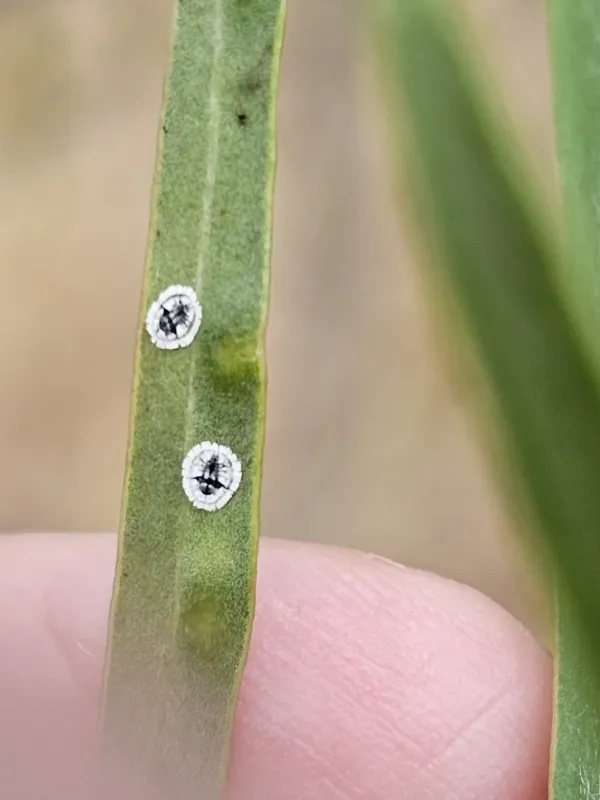
Description
How to identify
Dumbletoniella is a genus of insects belonging to the family Aleyrodidae (whiteflies). These pests are characterized by their minute size and their presence on the underside of leaves, where they remain protected from environmental factors.
The life cycle of Dumbletoniella consists of four distinct stages: egg, larval stages, puparium (the stage where the insect transforms into an adult), and adult imago. The adults are typically white and covered with a fine, waxy powder.
Accurate identification of species within the genus requires professional entomological examination of the pupal case structure. Features such as marginal wax fringes and specific pore distributions are critical diagnostic keys.
These insects thrive in warm environments. In greenhouse conditions, they can maintain a continuous breeding cycle, significantly increasing the challenge for crop management throughout the year.
Due to their high reproductive rate, a small initial infestation can quickly escalate into a widespread outbreak if not managed with appropriate early-detection strategies.
What it damages
Dumbletoniella species feed on a variety of host plants, including ornamental species and specific woody plants. They damage plants by inserting their mouthparts into the phloem and sucking out essential plant sap.
As the insects feed, they excrete a sticky substance known as honeydew. This substance accumulates on the foliage, creating a perfect habitat for sooty mold growth, which appears as black, powdery patches on leaves.
The accumulation of sooty mold physically inhibits the plant's ability to perform photosynthesis, leading to reduced energy production, leaf yellowing, and stunted growth.
Severe infestations often result in premature leaf drop and overall vigor loss of the plant. In ornamental horticulture, this drastically lowers the market value and aesthetic appeal of the crops.
In addition to direct feeding damage, Dumbletoniella may act as a vector for various plant viruses, potentially introducing diseases that can cause systemic decline or death in susceptible host plants.
Control measures
Integrated Pest Management (IPM) is the most effective way to handle Dumbletoniella. This includes monitoring populations with yellow sticky traps to track the influx of adult whiteflies.
Cultural control practices are essential, such as removing infested plant material and managing weeds that may serve as alternative hosts during the off-season or in greenhouses.
Chemical control should focus on systemic insecticides that provide long-lasting protection. It is crucial to rotate chemical classes to prevent the development of resistance in pest populations.
Biological control agents, particularly parasitic wasps like Encarsia formosa, have proven highly effective in controlled environments, offering a sustainable alternative to chemical sprays.
Proper sanitation and maintenance of environmental conditions, such as monitoring humidity and temperature, help to minimize the risk of rapid population growth of the pest.
Taxonomy
- Latin name
- Dumbletoniella
- Order
- Hemiptera (bugs, aphids, leafhoppers)
- Family
- Aleyrodidae
- EPPO code
- DUMBSP
Discussion
No discussions yet — be the first.