
Drymaeus
Drymaeus
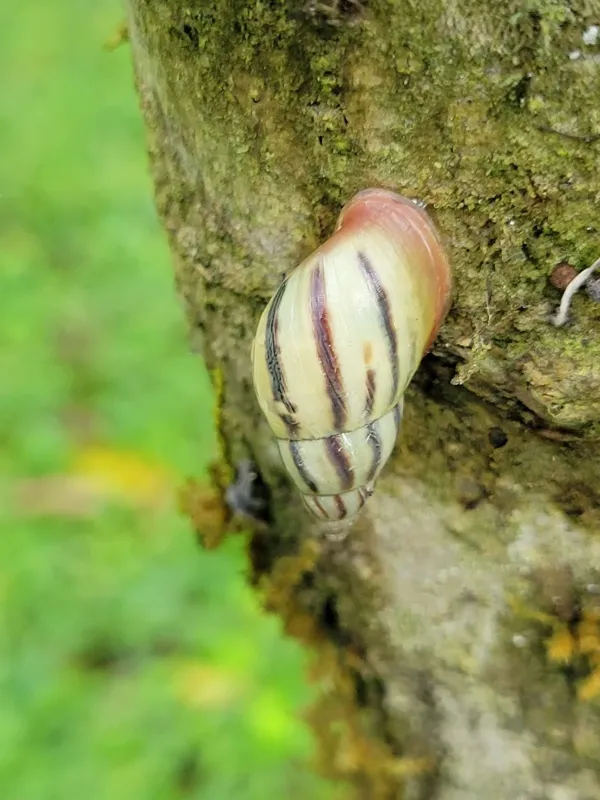
Description
How to identify
Drymaeus is a genus of land snails belonging to the family Bulimulidae. These snails are known for their elongated, conical shells, which often feature distinct spiral patterns and vibrant colors.
Physically, they are adapted to climbing, allowing them to navigate both the ground and the foliage of trees and shrubs. Their bodies are covered in a mucus layer that helps maintain moisture during periods of activity.
The size of an adult Drymaeus snail typically ranges from two to several centimeters. Their appearance varies significantly across different species within the genus, making visual identification of specific species complex.
They belong to the order Stylommatophora, which includes many well-known terrestrial gastropods. They prefer habitats with high humidity and moderate temperatures, often found in tropical and subtropical regions.
Identifying this pest in a garden or greenhouse setting usually involves observing the shell shape and the characteristic trails of slime left on plants and soil surfaces.
What it damages
Drymaeus snails feed on a wide variety of plant tissues, posing a threat to ornamental plants, vegetables, and young nursery stock. They are particularly destructive to succulent leaves and soft stems.
By consuming leaf tissue, they create irregular holes, which significantly reduces the plant's ability to photosynthesize. In severe cases, they can defoliate entire shoots, leading to stunted growth.
Damage to young buds and flowers is particularly critical as it directly affects the reproductive potential and aesthetic value of the plant. This makes them a major concern for commercial floriculture.
Beyond physical consumption, the snails leave behind slimy tracks that can be aesthetically displeasing and may serve as entry points for bacterial and fungal pathogens, worsening the plant's health.
Young seedlings are most vulnerable, as even minor grazing by these mollusks can be fatal to small plants, leading to gaps in crop stands and significant economic losses.
When it appears
The activity of Drymaeus is heavily dependent on moisture levels. They are most active during the rainy season or periods of high humidity, which facilitate their movement and feeding.
During dry and hot weather, they undergo a dormancy period, withdrawing into their shells and finding shelter in dark, humid spots such as under debris, in soil crevices, or under dense foliage.
Feeding mostly occurs at night or during overcast, rainy days when the risk of desiccation is minimal. This nocturnal behavior allows them to avoid the heat of the sun and potential predators.
Their life cycle involves egg-laying in damp soil or decomposing organic matter. The moist environment is essential for egg development and the survival of hatchlings, which begin feeding immediately.
Gardeners should increase monitoring during transitions between seasons when rainfall becomes more frequent, as these are the times when snail populations typically surge.
Signs of infestation
The presence of Drymaeus is usually indicated by large, irregular holes in the leaves and the characteristic glistening slime trails that dry into silvery streaks on plant stems.
Visible damage to the edges of leaves and missing chunks from young shoots are primary symptoms. Affected plants may show signs of stress or weakened vigor due to constant feeding pressure.
Inspecting the underside of leaves or the base of stems during early morning hours often reveals the pests themselves, as they linger in the moisture of the foliage before seeking shelter for the day.
If a garden or greenhouse has high populations, one might find empty shells near the base of plants, which confirms the ongoing presence and breeding of the snail population in the area.
- Slimy, silvery trails on foliage and soil.
- Irregular holes in leaf blades.
- Chewed-up buds and damaged soft shoots.
- Presence of live snails in moist, shaded areas.
Control measures
Cultural control is the most effective way to manage these snails. This includes clearing debris, removing weeds, and improving drainage to reduce the humidity levels that favor their reproduction.
Physical barriers such as copper tape, coarse sand, or crushed eggshells can be placed around sensitive plants to discourage the snails from climbing up stems or reaching the foliage.
Setting traps using beer or fermented juice is a practical non-toxic solution. Snails are attracted to the bait, fall into the container, and can be easily collected and removed manually.
In high-pressure situations, molluscicides (baits containing iron phosphate) can be used. These are generally safer for the environment and non-target wildlife compared to older chemical formulations.
Encouraging natural predators such as frogs, toads, beetles, and birds helps keep the snail population under biological control. Providing habitats for these predators can reduce the need for intervention.
Taxonomy
- Latin name
- Drymaeus
- Order
- Molluscs
- Family
- Orthalicidae
- EPPO code
- DRYSSP
Discussion
No discussions yet — be the first.