
Maple aphid
Drepanaphis keshenae
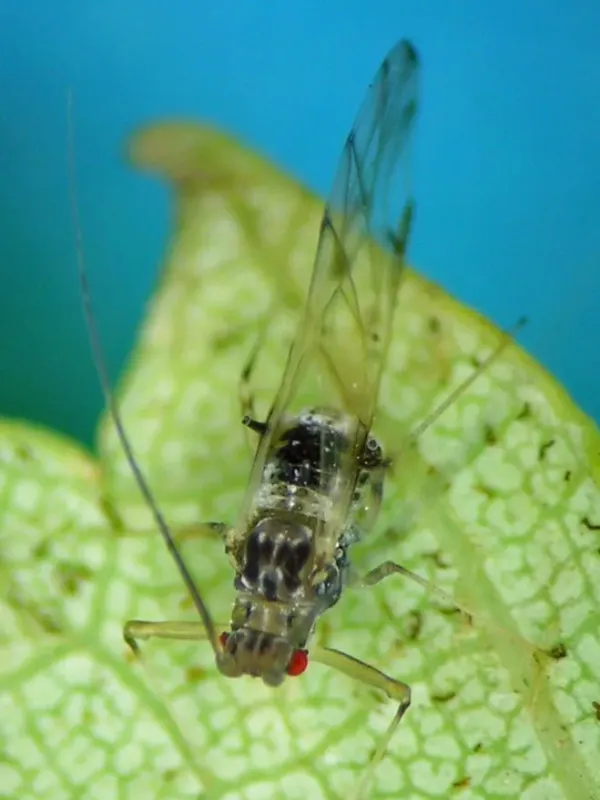
Description
How to identify
The maple aphid, Drepanaphis keshenae, is a specialist insect belonging to the family Aphididae. It is specifically adapted to feed on the sap of trees within the Acer genus.
These aphids are small and often have distinctive markings on their dorsal side. They typically congregate on the underside of maple leaves, aligning themselves with the leaf veins to remain hidden from predators.
The species exhibits a complex lifecycle, involving parthenogenetic reproduction during the warmer months, allowing for rapid population growth in favorable conditions.
The adult form is morphologically distinct, with specialized structures that assist in feeding on tough maple leaf tissue. Their color helps them blend seamlessly with the foliage.
Understanding their host specificity is crucial for arborists, as Drepanaphis keshenae does not typically migrate to unrelated plant species, making targeted control possible.
What it damages
Damage is characterized by nutrient depletion in the host tree. As the aphids extract sap, they remove vital sugars and amino acids, weakening the overall vigor of the maple tree.
The secretion of honeydew is a significant issue, as it promotes the growth of sooty mold. This black fungus covers the leaf surface, effectively blocking sunlight and interfering with photosynthesis.
In cases of heavy infestation, the leaves may show yellow spots, curling, and premature senescence, which drastically reduces the ornamental value of urban maple plantings.
Young shoots are particularly susceptible to deformation. Stunted growth in these areas can lead to structural imbalances in the tree's crown over time.
Persistent infestations over several years can stress the tree, making it highly susceptible to secondary attacks by wood-boring insects or fungal pathogens that thrive on weakened tissues.
When it appears
The first generation emerges in spring, timed perfectly with the opening of maple buds. This initial period is the best window for early detection and intervention.
Population levels often peak in late spring and early summer when temperatures are optimal for rapid development. This period requires the most consistent monitoring.
As summer progresses, natural biological controls such as lady beetles and lacewings may reduce the aphid population, though chemical intervention might still be necessary.
In autumn, sexual forms appear and lay wintering eggs. These eggs are securely attached to twigs, near buds, and represent the primary means for the species to survive winter.
Recognizing these seasonal milestones is vital for creating an effective pest management schedule that targets the most vulnerable life stages of the aphid.
Signs of infestation
Early signs include subtle yellowing or chlorosis of the leaves. Closer inspection of the underside of these leaves will reveal clusters of small aphids.
The presence of honeydew, which makes the leaves feel sticky, is a clear indicator of aphid activity. This substance is often followed by the development of black sooty mold.
A sudden increase in ant activity on the tree trunk is a strong indicator of an aphid colony, as ants cultivate aphids to feed on their honeydew secretions.
If leaves start to curl or look deformed, it suggests that the aphids have been feeding in that specific area for an extended duration.
The premature drop of leaves in mid-summer is a warning sign that the tree is under severe stress due to high aphid densities or poor health conditions.
Control measures
Integrated Pest Management (IPM) is recommended, focusing on the conservation of natural predators. Encouraging ladybugs and other beneficial insects can significantly suppress populations.
Chemical control should rely on systemic insecticides that provide long-term protection, especially for high-value ornamental trees in urban environments.
Good horticultural practices, such as proper watering and fertilizing, can significantly improve the tree's ability to withstand and recover from aphid damage.
Applying dormant oil sprays during winter can help reduce the overwintering egg population, effectively lowering the pest pressure for the coming spring.
- Regular inspection of leaf undersides.
- Systemic insecticide application for severe cases.
- Biological control with lacewings or lady beetles.
- Use of sticky bands on trunks to deter ants.
- Pruning to remove heavily infested branches.
Taxonomy
- Latin name
- Drepanaphis keshenae
- Order
- Hemiptera (bugs, aphids, leafhoppers)
- Family
- Aphididae
- EPPO code
- DRENKE
Discussion
No discussions yet — be the first.