
Russian wheat aphid
Diuraphis noxia
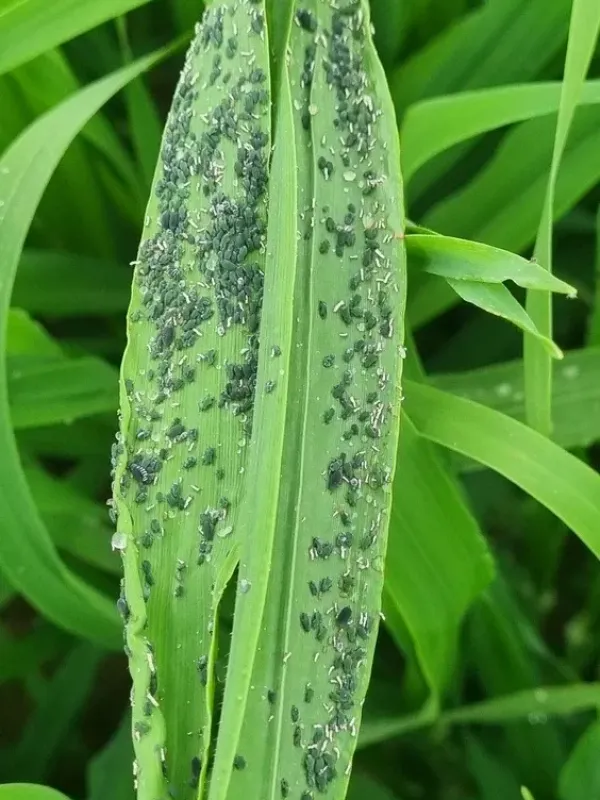
Description
How to identify
The Russian wheat aphid (Diuraphis noxia) is a small insect belonging to the family Aphididae. Adults are approximately 1.5 to 2 mm long and possess an elongated, pale green to lime-green body.
A distinctive feature of this species is the presence of a supracaudal process above the cauda, which makes the rear end of the aphid appear as if it has two tails when viewed from the side.
The antennae are characteristically short, usually less than half the length of the body. Both winged (alate) and wingless (apterous) forms exist within the colony to facilitate rapid infestation.
Nymphs resemble adults in appearance but are smaller and lack fully developed reproductive organs. Their color can shift depending on environmental temperatures and host plant condition.
The species prefers hidden locations on the host plant, typically concealing itself within tightly rolled leaves, which significantly complicates detection and spray coverage.
What it damages
The pest primarily affects cereals, including wheat, barley, oats, rye, and triticale. It is also known to colonize various wild grass species that serve as alternate hosts.
Unlike other aphid species, Diuraphis noxia injects highly toxic saliva while feeding. This causes immediate physiological damage, including chlorophyll destruction and metabolic inhibition.
Feeding during the tillering and jointing stages causes the most significant yield losses. Infested plants show signs of severe stunted growth and reduced grain filling capacity.
This aphid is a known vector for several viral diseases, such as barley yellow dwarf virus, which often causes more cumulative damage to the crop than the aphid feeding itself.
Severe infestations can lead to total crop failure if left unchecked, as the aphid population expands rapidly under favorable weather conditions.
When it appears
The aphid life cycle begins in early spring as temperatures rise, allowing the pest to colonize emerging winter and spring cereal crops from their overwintering grass hosts.
High population peaks are typically observed during cool, moist spring periods. Under these conditions, the aphid can reproduce parthenogenetically with rapid generation turnover.
Summer heat can temporarily suppress population growth, yet the aphid remains active in irrigated fields or areas with dense vegetative cover throughout the season.
During the autumn, winged forms migrate to newly planted winter cereal crops, establishing colonies that will serve as the reservoir for the following season.
The generation time can be as short as 10 to 15 days in optimal weather, leading to numerous overlapping generations during a single growing season.
Signs of infestation
The primary symptom of an infestation is the appearance of longitudinal white, yellow, or purple streaks along the leaf veins caused by the injection of aphid toxins.
Leaves tend to roll lengthwise into a tight cylinder or tube. This rolling protects the aphid colony from both environmental stress and chemical pesticide applications.
The wheat head may become trapped inside the leaf sheath, causing it to become deformed or twisted. Such heads often fail to fill properly, resulting in sterile or shriveled grains.
Field infestations typically manifest as patches of stunted, chlorotic plants that appear to be suffering from nutrient deficiencies or localized drought stress.
Closer inspection of the rolled leaves reveals dense colonies of small, green aphids, often accompanied by honeydew, which may subsequently foster the growth of sooty mold.
Control measures
Cultural control strategies include managing the timing of planting to avoid peak aphid flight periods and destroying volunteer cereal plants to reduce overwintering sites.
Crop rotation is essential for breaking the pest's cycle and preventing the buildup of large populations in areas with continuous cereal cultivation.
Chemical control should be initiated once the economic threshold is reached. Systemic insecticides are preferred to effectively target aphids protected inside rolled leaves.
Proper spray application, including the use of high-pressure nozzles and surfactants, is crucial to ensure that the chemical penetrates the leaf curls where the pests reside.
Conserving natural enemies such as lady beetles, lacewings, and parasitic wasps plays a vital role in integrated pest management to keep aphid populations below damaging levels.
Taxonomy
- Latin name
- Diuraphis noxia
- Order
- Hemiptera (bugs, aphids, leafhoppers)
- Family
- Aphididae
- EPPO code
- BRAYNO
Discussion
No discussions yet — be the first.