
Dialeurolobus pulcher
Dialeurolobus pulcher
Description
How to identify
Dialeurolobus pulcher is a member of the Aleyrodidae family, commonly known as whiteflies, belonging to the order Hemiptera. These are minute insects, with adults typically characterized by a powdery white appearance on their wings and body.
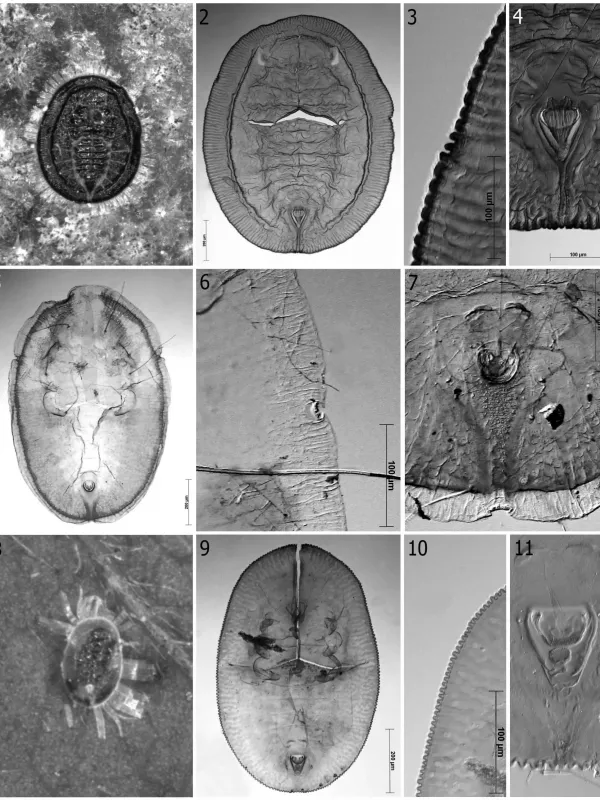
Morphologically, the species is identified by the structure of its puparium (the final larval stage), which attaches firmly to the underside of the leaf. They are flattened and often possess specific edge sculptures that allow them to blend into the plant tissue.
The life cycle encompasses an egg stage, four larval instars, and an adult stage. The puparium stage functions similarly to a pupa in complete metamorphosis, acting as a quiescent phase where the insect transforms into its winged adult form.
Identifying this pest in the field requires a hand lens, as the insects are small, rarely exceeding 2 mm. Careful inspection of the lower canopy and the underside of leaves is essential to detect early stages of infestation.
The biological adaptation of this species allows it to thrive in various climates, particularly where humidity remains stable. This environment supports high reproductive rates and rapid generation turnover throughout the growing season.
What it damages
This species primarily feeds on the phloem sap of various trees and shrubs. It prefers hosts with relatively thick or dense leaves, which provide a stable surface for the nymphs to feed and develop throughout their life cycle.
Both adults and nymphs inflict damage by piercing the leaf epidermis with their mouthparts and extracting sap. This direct feeding depletes the plant's resources, leading to reduced vigor and stunted growth.
A secondary consequence of the feeding is the secretion of honeydew, a sticky, sugar-rich substance. This residue acts as a substrate for sooty mold fungi, which create a dark coating on the leaves, severely obstructing photosynthesis.
Heavy infestations result in leaf yellowing, deformation of new growth, and premature leaf drop. The plant's overall health declines, making it more susceptible to environmental stress and opportunistic secondary pathogens.
From an agricultural standpoint, Dialeurolobus pulcher can cause significant economic losses in nurseries and ornamental gardens by reducing the aesthetic value and commercial viability of the host plants.
When it appears
The active period begins when temperatures consistently reach above 15°C (59°F). This warmth triggers the emergence of adults and the subsequent rapid colonization of the plant's spring growth.
Several generations are produced within a single growing season. Because these generations often overlap, controlling the pest is difficult, as eggs, nymphs, and adults may be present on the same leaf simultaneously.
As autumn approaches, the population prepares for overwintering. Late-stage larvae enter a state of diapause, finding shelter on fallen leaves or in the bark crevices of host plants to survive the winter months.
Dispersal between plants is primarily driven by adult flight, which usually occurs during the calmer morning and evening hours. They are light-bodied and easily carried by wind, allowing them to spread through a nursery or garden quickly.
Effective monitoring should involve the use of yellow sticky traps placed within the canopy. These traps provide crucial data on population dynamics and the timing of peak flights, helping to schedule protective interventions.
Signs of infestation
The most immediate sign of infestation is the presence of white, powdery insects on the underside of leaves. Disturbing an infested branch will typically cause a small cloud of adults to take flight.
The accumulation of honeydew gives the leaf surface a wet, sticky appearance. If left unchecked, this residue quickly turns black due to the growth of sooty mold, which is a clear indicator of a well-established whitefly colony.
Visible leaf curling, yellow spotting, or chlorosis on the leaf blades are common symptoms of localized sap depletion caused by feeding nymphs.
Early leaf drop and the presence of small, translucent, empty husks (exuviae of the puparia) on the undersides of leaves confirm that the whitefly has completed its development cycle on the plant.
Stunted development of new shoots and a general lack of vitality in the plant during the peak growing season are strong indicators that intervention is required to save the plant's health.
Control measures
An effective management strategy must be multifaceted, combining cultural, biological, and chemical methods to suppress the whitefly population at all life stages simultaneously.
- Rigorous sanitation, including the collection and destruction of fallen leaves, significantly reduces overwintering sites.
- Pruning to increase airflow and sunlight penetration within the canopy creates a less hospitable environment for whiteflies.
- Releasing natural enemies such as ladybeetles or lacewings helps maintain biological control.
- Applying systemic insecticides can effectively reach insects feeding on internal plant sap.
- Using horticultural oils or soaps helps manage populations by physically blocking the insects' respiratory systems.
Chemical control programs should rotate active ingredients to prevent the development of resistance. Because nymphs are immobile, thorough coverage of the leaf undersides is mandatory for any contact-based pesticide application.
Post-application monitoring is essential to evaluate the effectiveness of the control measures. If population levels remain high, adjustments to the pesticide rotation or frequency should be considered.
Integrated Pest Management (IPM) practices focus on minimizing broad-spectrum pesticide use to protect beneficial insect populations, ensuring long-term ecological balance in the managed area.
Taxonomy
- Latin name
- Dialeurolobus pulcher
- Order
- Hemiptera (bugs, aphids, leafhoppers)
- Family
- Aleyrodidae
- EPPO code
- DILRPU
Discussion
No discussions yet — be the first.