
Dialeurolobus
Dialeurolobus
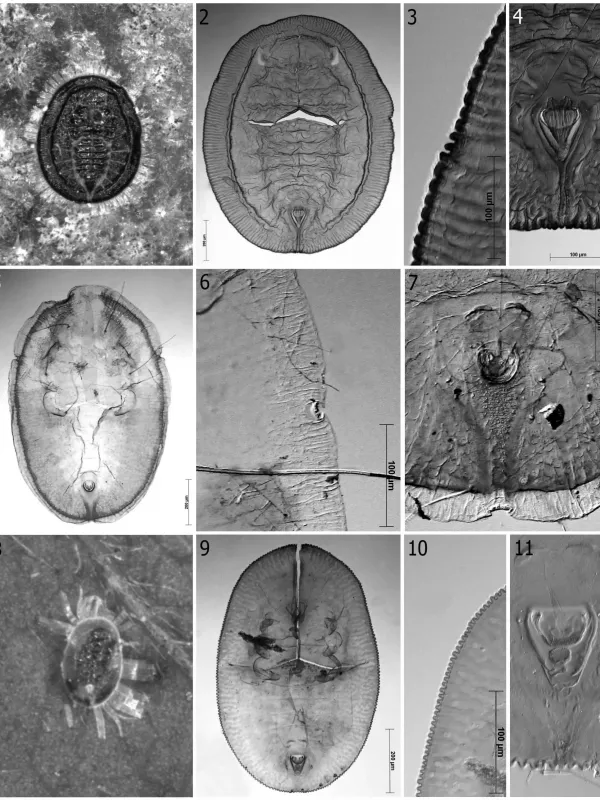
Description
How to identify
Dialeurolobus is a genus of whiteflies (family Aleyrodidae, order Hemiptera) characterized by small, moth-like adults that possess white wings and delicate bodies.
The larval stage is sedentary, often appearing as flattened, scale-like structures tightly attached to the abaxial (lower) surface of plant leaves.
Identification at the species level usually requires specialized microscopic analysis of the puparia, focusing on the features of the vasiform orifice and lingula.
These insects are well-adapted to warm climates and are commonly found in regions where they can thrive on perennial woody plants throughout the year.
The presence of Dialeurolobus is often underestimated due to their minute size and the inconspicuous nature of their larvae on the underside of foliage.
What it damages
The pest primarily targets woody ornamental and fruit-bearing species, including citrus, by piercing plant tissues and extracting nutrient-rich sap.
A significant portion of the damage is caused by the excretion of honeydew, a sticky, sugar-rich substance that coats the leaves and branches of the host plant.
This honeydew serves as a primary substrate for sooty mold fungi, which create a dense black film over leaves, severely impeding the plant's ability to photosynthesize.
Chronic infestation results in stunted growth, premature leaf senescence, fruit drop, and a general decline in the plant's physiological vigor and aesthetic value.
In severe outbreaks, the cumulative stress from sap loss and reduced light absorption can make the host plant highly susceptible to secondary pathogens.
When it appears
The population dynamics of Dialeurolobus are heavily influenced by environmental temperature, with peak reproductive activity typically occurring during late spring and summer.
The life cycle encompasses several distinct stages, including eggs, three larval instars, puparia, and winged adults, allowing for overlapping generations in favorable climates.
In protected agricultural environments, such as greenhouses, the lack of seasonal fluctuations may allow the pest to remain active and breed continuously throughout the year.
Optimal conditions for rapid population expansion include high humidity levels and warm temperatures, which accelerate the development of each life stage.
Monitoring efforts should intensify during periods of active plant growth, as this is when the pests most aggressively colonize new foliage.
Signs of infestation
The most visible symptom of an infestation is the appearance of a dark, soot-like fungal coating on the upper surfaces of the leaves, often accompanied by leaf stickiness.
Examination of the underside of affected leaves will reveal clusters of immobile, translucent or pale-yellow larvae firmly adhered to the veins and leaf lamina.
Affected plants often display signs of chlorosis, where leaves lose their vibrant green color, become distorted, and exhibit signs of early wilting.
Adult whiteflies are highly noticeable upon mechanical disturbance of the plant canopy, as they rise in small, flickering clouds before settling back down.
The presence of ants patrolling the plant is a strong indicator of an ongoing infestation, as they are drawn to the honeydew produced by the Dialeurolobus colony.
Control measures
Effective management involves the application of systemic insecticides, such as neonicotinoids, which are ingested by the pest through the plant sap.
Biological control, utilizing natural enemies like Encarsia wasps or other parasitoids, can be an effective strategy for reducing population numbers in integrated pest management programs.
Sanitation practices, including the strategic pruning and disposal of heavily infested plant parts, help in significantly lowering the pest load in orchards and nurseries.
Horticultural oils or insecticidal soaps can be used to coat the leaves, effectively smothering the sedentary larval stages without leaving persistent toxic residues.
- Deploy yellow sticky traps to monitor adult flight activity.
- Maintain optimal plant health to improve natural resistance.
- Apply targeted treatments only when the infestation threshold is reached.
- Avoid over-fertilization, as high nitrogen levels often encourage pest outbreaks.
Taxonomy
- Latin name
- Dialeurolobus
- Order
- Hemiptera (bugs, aphids, leafhoppers)
- Family
- Aleyrodidae
- EPPO code
- DILRSP
Discussion
No discussions yet — be the first.