
Dialectica
Dialectica
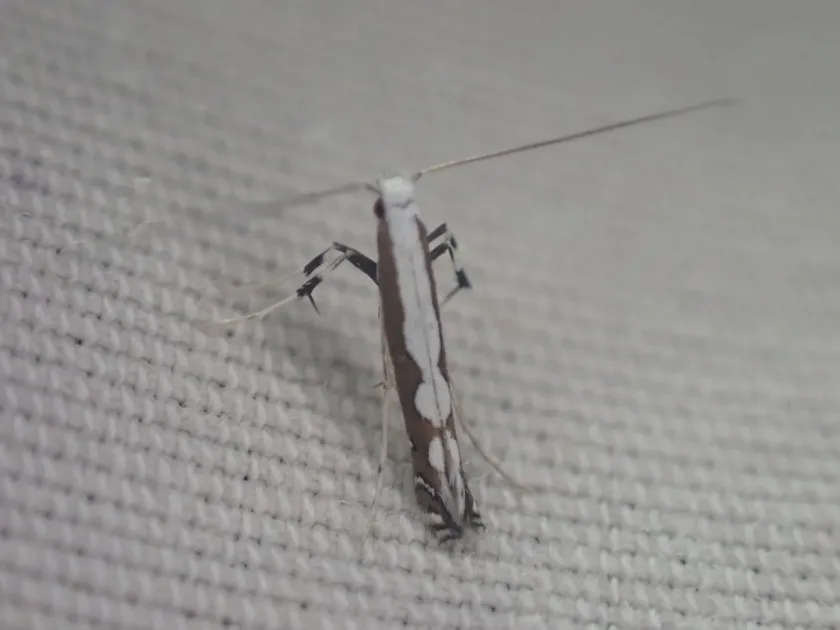
Description
How to identify
The genus Dialectica belongs to the family Gracillariidae (leaf blotch miner moths) within the order Lepidoptera. These are microscopic moths that lead a cryptic lifestyle within plant tissues.
Adult moths are characterized by slender bodies and narrow, fringed wings, which provide excellent camouflage against plant surfaces. Due to their small size, they are often overlooked during routine field inspections.
The larvae are specialized leaf miners. They possess flattened bodies designed for feeding between the leaf epidermal layers, leaving the outer skin intact while consuming the parenchyma.
Taxonomically, the genus is associated with specific host plants, primarily within the Fabaceae family. Identification usually requires microscopic examination of genital structures.
The life cycle encompasses egg, larval, pupal, and adult stages. Overwintering typically occurs as a pupa, either inside a leaf cocoon or within plant debris.
What it damages
These pests primarily damage legumes. The larvae cause significant stress to host plants by consuming the internal leaf tissue, which serves as the photosynthetic engine of the plant.
The formation of mines significantly reduces the chlorophyll-containing area, leading to poor plant development and diminished biomass production.
In cases of severe infestation, the foliage may wither or drop prematurely, weakening the entire plant and making it susceptible to secondary environmental stresses.
The damaged leaf areas often become entry points for various bacterial and fungal pathogens, potentially leading to widespread disease outbreaks in the field.
For ornamental crops, the damage is particularly critical as it ruins the aesthetic value, which is often the primary economic driver for such plants.
Signs of infestation
The most visible sign of infestation is the appearance of light-colored, winding or blotch-shaped mines on the leaves, which are easily seen when held against the light.
As the larva matures and the mine expands, the affected leaf tissue turns brown and necrotizes, resulting in a scorched appearance on the foliage.
Larval frass (excrement) appears as dark granules inside the mines, providing a clear indication of insect activity as opposed to physiological leaf disorders.
Severe infestations cause leaf deformation, curling, or early senescence, which can be seen across the canopy of affected plants during peak growing seasons.
Adults are rarely seen during the day but can be spotted near host plants at dusk, as they are nocturnal and flight-active in low light conditions.
Control measures
Chemical control is most effective using systemic insecticides that can penetrate leaf tissues and kill the larvae residing within the mines.
Cultural management is essential, involving the removal and destruction of fallen leaves and infested plant debris where pupae overwinter.
Biological control relies on encouraging the presence of natural parasitoids, which are highly effective at suppressing populations of leaf-mining insects.
Monitoring using pheromone traps can help time insecticide applications to the peak flight of adult moths, ensuring maximum efficacy.
- Implementing crop rotation to break the pest's life cycle.
- Using biological products containing Bacillus thuringiensis.
- Sanitation protocols to reduce overwintering sites in the vicinity.
Taxonomy
- Latin name
- Dialectica
- Order
- Lepidoptera (butterflies)
- Family
- Gracillariidae
- EPPO code
- DILCSP
Discussion
No discussions yet — be the first.