
Poultry red mite
Dermanyssus
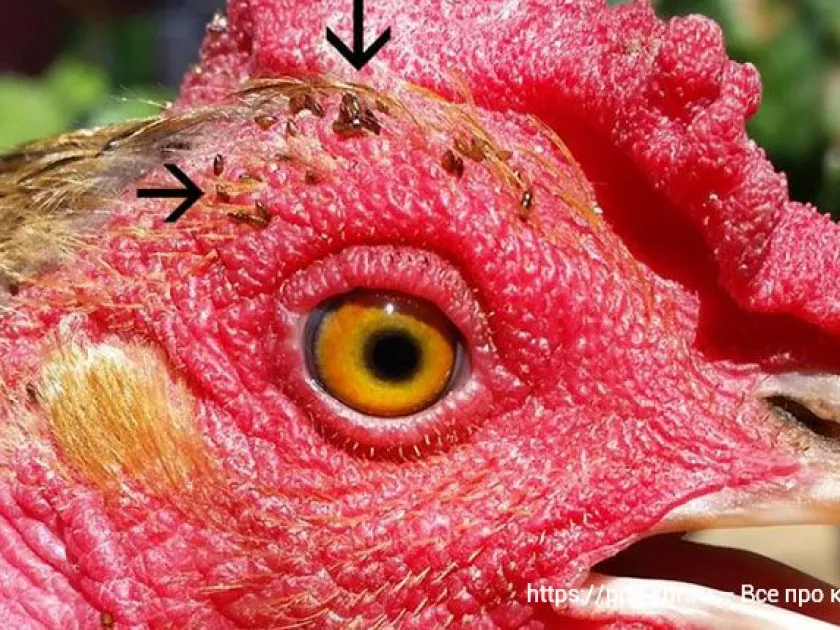
Description
How to identify
The poultry red mite (Dermanyssus gallinae) belongs to the family Dermanyssidae and is one of the most common and damaging ectoparasites in the poultry industry.
Adult mites are microscopic, typically measuring less than 1 mm in length, and possess four pairs of legs, which are characteristic of this arachnid species.
The mite's color changes significantly after a blood meal, transitioning from a light grey or transparent state to a dark red or brownish hue.
Unlike some other pests, they are nocturnal, spending most of their time hiding in cracks, crevices, and crevices within the poultry house structures.
Their rapid reproductive cycle, which can last as little as 7 days in warm conditions, allows for massive population explosions within a very short timeframe.
What it damages
Dermanyssus gallinae primarily targets chickens, but it also affects turkeys, pigeons, and many other avian species kept in domestic or industrial settings.
The mites feed on blood, which leads to severe anemia, weakness, and overall physiological stress in the affected bird population.
In addition to physical harm, they transmit serious diseases like Salmonella and other pathogens, drastically increasing mortality rates in flocks.
Productivity is severely impacted: egg production drops, eggshells become discolored or blood-spotted, and chicks often suffer from stunted growth.
Severe infestations often cause behavioral issues, including cannibalism and feather pecking, as birds become agitated due to constant irritation.
Signs of infestation
Birds show visible restlessness, frequent preening, and a reluctance to return to the coop at night due to the high density of mites in the area.
Examination of the birds often reveals skin inflammation, crusts, and pale combs or wattles, indicating severe anemia caused by parasitic feeding.
Owners may notice small grey or reddish dust-like patches in nests, under slats, or on equipment, which are actually aggregations of mites.
Using a white cloth or paper to wipe surfaces around the roosting areas will leave visible blood smudges if a significant mite population is present.
A distinct smell, often described as musty or slightly metallic, can sometimes be detected in houses with extremely high mite infestations.
Control measures
Strict hygiene protocols, including regular removal of manure and litter, are crucial to limit the environmental breeding grounds for these mites.
Deep cleaning and application of professional acaricides in empty houses are necessary to break the life cycle and reduce mite numbers effectively.
Applying diatomaceous earth or silicate-based dusts in the coop provides a mechanical method for dehydrating and controlling the mite population.
Structural improvements, such as filling gaps and crevices in walls, significantly reduce the number of hiding spots available to the parasites.
- Monitoring mite levels using dedicated traps placed on roosts.
- Ensuring proper ventilation to maintain a less favorable environment for mites.
- Quarantine procedures for all new birds entering the flock.
Taxonomy
- Latin name
- Dermanyssus
- Order
- Mites
- Family
- Dermanyssidae
- EPPO code
- DERYSP
Discussion
No discussions yet — be the first.