
Dendroica
Dendroica
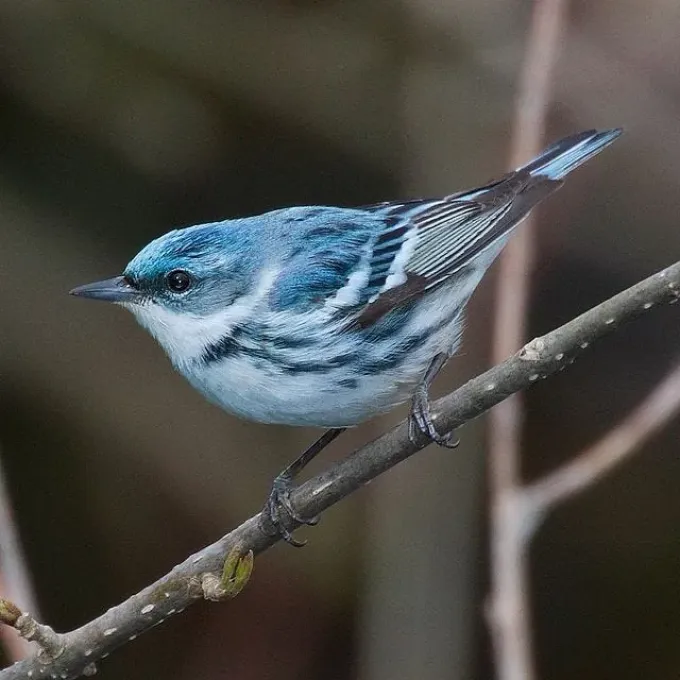
Description
How to identify
The genus Dendroica represents a group of insects characterized by their specialized feeding habits on woody plant species. In forestry and agricultural entomology, these pests are recognized for their ability to thrive beneath the bark, often going unnoticed until significant damage has already occurred.
Adult insects typically exhibit cryptic coloration, blending seamlessly with tree bark to avoid detection. Their anatomy is highly adapted for navigating the dense, restrictive environments found between the bark and the cambium layer of their host trees.
The larval stage is the primary driver of infestation. These larvae possess robust mouthparts capable of excavating intricate galleries through the phloem and cambium, effectively disrupting the vascular structure of the plant.
Identification often requires careful morphological inspection of both the insect and its feeding galleries. Because closely related species may occupy similar ecological niches, precise identification is crucial for selecting the appropriate management strategy.
Professional monitoring programs frequently utilize pheromone traps and regular field inspections to track population dynamics and detect early signs of infestation in nursery or forest environments.
What it damages
Dendroica primarily targets a variety of coniferous and deciduous tree species. Both young seedlings and mature, stressed trees are highly susceptible to infestation, making this pest a significant concern for both foresters and orchard owners.
The damage caused by larvae directly interferes with the transport of water and nutrients within the tree. By consuming the cambial layer, the insect creates a nutritional bottleneck that weakens the tree and stunts its growth.
In addition to physiological harm, the presence of gallery tunnels compromises the structural integrity and economic value of the wood. Infested timber is often unsuitable for construction or high-end woodworking due to aesthetic and physical defects.
Furthermore, these pests facilitate secondary infections. The entry points created during the infestation process serve as gateways for pathogenic fungi, which can accelerate the decline and death of the host plant.
The cumulative damage often results in increased mortality rates within plantations, necessitating aggressive intervention to prevent localized outbreaks from spreading to surrounding healthy stands.
When it appears
The lifecycle of Dendroica is tightly synchronized with the phenology of its host plants. Adult activity usually commences in the spring as temperatures rise and sap flow begins, signaling the start of the feeding and mating season.
The period of adult flight can vary in duration based on regional climate patterns. Extended, warm summer seasons often provide optimal conditions for the larvae to complete their development and, in some cases, allow for multiple generations per year.
Larval activity reaches its peak during the mid-summer months, corresponding with the tree's most vigorous growth period. During this time, the pest is most vulnerable to systemic insecticide applications.
As autumn approaches, the insects prepare for overwintering. Depending on the species, they may transition into a diapause state under the bark or migrate to the soil layer to escape the harsh winter temperatures.
Predicting seasonal outbreaks requires historical data and current meteorological analysis. Understanding these patterns is essential for the timely application of preventative and reactive control measures.
Signs of infestation
Early indicators of infestation include the appearance of small, circular exit or entry holes on the tree bark. These are frequently accompanied by resin or gum exudates, as the tree attempts to seal the wounds.
The presence of fine wood dust, or frass, at the base of the trunk or caught in bark crevices is a definitive sign of active feeding by larvae within the galleries.
Yellowing of leaves, premature leaf fall, or thinning of the canopy often points to internal damage to the tree's conductive tissues. By the time these symptoms appear, the infestation is usually well-established.
Bark peeling in patches can reveal the underlying network of tunnels. This structural damage is diagnostic for Dendroica and indicates a significant loss of vitality in the affected area of the tree.
Increased foraging activity by insectivorous birds, such as woodpeckers, on a specific tree can also serve as a biological indicator that the tree is harboring a population of larvae.
Control measures
Successful management of Dendroica relies on an integrated pest management (IPM) approach. This includes a combination of cultural practices, biological controls, and chemical interventions designed to minimize the impact on the ecosystem.
Sanitation is a cornerstone of control; removing and destroying infested trees prevents the pest from spreading to neighboring healthy specimens. This reduces the overall population pressure in the area.
Systemic insecticides may be used to protect high-value trees or nursery stock. These products travel through the tree's vascular system, ensuring that the larvae are exposed to the treatment during their feeding phase.
Biological control methods involve promoting the populations of natural predators, such as parasitic wasps and predatory beetles. Maintaining a diverse ecosystem helps keep pest numbers below the economic threshold.
- Regular inspection of all woody plants for early detection.
- Enhancing tree resilience through proper fertilization and watering.
- Utilizing pheromone traps to disrupt mating cycles.
- Applying biological agents, such as entomopathogenic fungi, where appropriate.
Taxonomy
- Latin name
- Dendroica
- Family
- Parulidae
- EPPO code
- DNDCSP
Discussion
No discussions yet — be the first.