
Delphinium fly
Delphiniobium
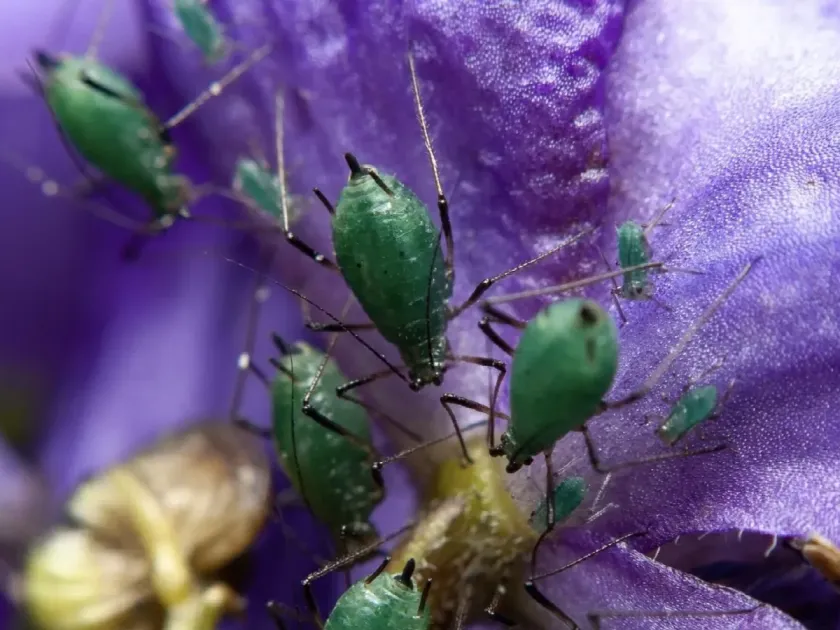
Description
How to identify
The delphinium fly (genus Delphiniobium) is a specialized insect pest that primarily affects plants belonging to the Ranunculaceae family, with a distinct preference for delphiniums. This pest belongs to the order Diptera and is known for its cryptic life cycle, which makes detection challenging for many gardeners.
Adult flies are typically small and inconspicuous, often blending into the foliage. The damage is primarily caused by the larval stage, which develops internally within the leaf tissues or shoots. Correctly identifying the adult form is crucial for setting up monitoring traps.
The taxonomic position of this pest highlights its evolutionary adaptation to the host plant's internal structure. Because the larvae remain protected inside the plant organs, they are shielded from most external environmental conditions, making standard contact-based pest control methods less effective.
Understanding the life cycle, which often includes a pupal stage in the soil or plant debris, is vital for integrated pest management. The development from egg to adult is highly dependent on ambient temperature, meaning outbreaks often correlate with specific warm periods in the growing season.
Early identification techniques include observing the plant during the early morning hours, when the flies are most active. Professional growers often utilize yellow sticky traps to detect the arrival of the first generation of adults, allowing for timely preventative actions.
What it damages
The damage caused by the delphinium fly is significant, particularly affecting the plant's growth points and reproductive organs. When larvae feed inside the shoots, they disrupt the transport of nutrients, leading to stunted growth and weakened plant immunity.
Leaves are a primary target, as larvae create extensive mines by feeding on the parenchyma tissue. This damage results in visible chlorosis, leaf curling, and in severe cases, the premature shedding of leaves, which drastically reduces the plant's photosynthetic capacity.
Flower spikes are often deformed or fail to bloom entirely. Bud abortion is a common symptom of severe infestation, leading to a total loss of decorative value. Such damage makes the plant unsuitable for display or commercial cut-flower production.
Beyond direct feeding, the galleries created by the larvae serve as entry points for secondary pathogens, including various fungi and bacteria. This frequently results in tissue necrosis and rot, which can cause the death of the entire plant shoot.
In commercial cultivation, the economic impact of the delphinium fly is severe. High infestation levels can lead to the loss of a majority of the marketable crop, necessitating a rigorous and proactive approach to crop protection.
When it appears
The delphinium fly becomes active in early spring, coinciding with the initial sprouting of the host plants. As temperatures rise, the overwintering pupae emerge as adults, initiating the first generation of the season.
Throughout the summer, the population can go through multiple generations, especially under warm and humid conditions. High temperatures accelerate the metamorphosis process, allowing the population to reach peak density during mid-summer.
Mid-season, specifically June and July, is the critical period for monitoring. During these months, the overlap of different generations can lead to rapid infestation of healthy plants if no intervention measures are applied.
As autumn approaches, the flies prepare for dormancy. The final generation pupates in the soil or within protected plant tissues, where they will remain until the following spring, effectively closing the annual cycle of the pest.
Weather patterns significantly influence the population dynamics. While persistent cool and rainy weather can temporarily suppress adult flight, hot and dry seasons tend to favor the rapid expansion of the pest population.
Signs of infestation
The most distinctive early symptom is the appearance of winding, pale-colored tracks or mines on the surface of the leaves. These tracks indicate the path where larvae have been feeding within the leaf tissue.
A sudden halt in the development of the apical bud or the curling of young leaves is a major red flag. When this occurs, it is highly likely that the fly larvae are feeding internally, effectively choking the growth of the stem.
Deformed flower buds that turn brown or fail to open are another common sign of deep tissue damage. These symptoms are frequently mistaken for fungal diseases but are actually indicators of insect-driven physiological stress.
The presence of adults can be confirmed by gently shaking the plant in sunny conditions, which usually triggers the flies to take flight. Additionally, small puncture marks on the epidermis are visible signs of oviposition sites.
General plant decline, including yellowing and loss of vigor, becomes apparent as the larvae consume the plant's internal resources. If left untreated, these symptoms progress into structural failure of the flower stalks.
Control measures
Effective control starts with sanitation. Removing and destroying all infested plant parts and clearing debris from the garden bed in the fall are essential steps to eliminate overwintering pupae.
Systemic insecticides are the most effective chemical intervention. These substances are absorbed by the plant, reaching the larvae protected within the tissue, thus providing a comprehensive solution that contact pesticides cannot achieve.
Biological control, including the use of entomopathogenic fungi or predators like parasitic wasps, can be integrated into the management plan to maintain a balanced ecosystem while reducing the reliance on chemical treatments.
Crop rotation and selecting resistant varieties, where possible, remain the cornerstones of long-term pest management. Providing optimal hydration and balanced nutrition ensures the plants are robust enough to withstand potential attacks.
- Use yellow sticky cards for early pest detection.
- Regularly prune and destroy heavily infested shoots.
- Employ soil cultivation in early spring to disturb pupae.
Taxonomy
- Latin name
- Delphiniobium
- Order
- Hemiptera (bugs, aphids, leafhoppers)
- Family
- Aphididae
- EPPO code
- DELPSP
Discussion
No discussions yet — be the first.