
Dactynotus
Dactynotus
Description
How to identify
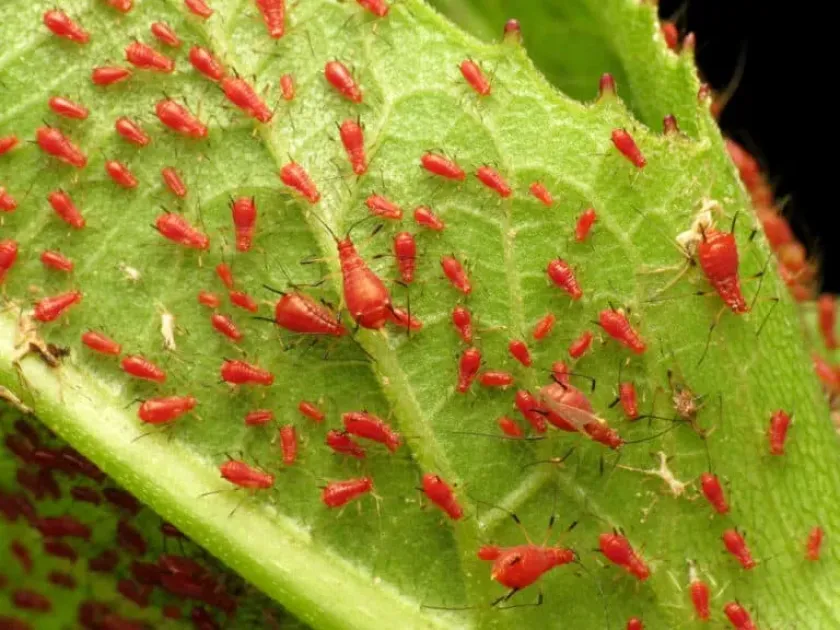
Dactynotus is a large genus of insects belonging to the Aphididae family, within the order Hemiptera. Adult specimens are typically medium-sized and characterized by dark coloration, often appearing brown, reddish, or almost black, making them highly visible on lighter plant parts.
The bodies of these insects are oval-shaped, equipped with long, often dark siphunculi (cornicles) and a cauda. A critical morphological diagnostic feature is the structure of the antennae, which are frequently longer than the body itself, a trait used by entomologists for accurate species identification.
The biology of this genus is closely linked to plants in the Asteraceae family. Dactynotus aphids are specialized pests that prefer both wild and cultivated composite plants, where they establish large colonies on stems, leaves, and inflorescences.
The life cycle includes both apterous (wingless) and alate (winged) forms. Winged individuals emerge during periods of rapid population growth to colonize new host plants, facilitating the swift spread of the infestation throughout the field or garden.
These aphids overwinter primarily in the egg stage, laid on the base of plants or plant debris. As temperatures rise in the spring, the eggs hatch into nymphs, which immediately begin feeding and reproducing, starting the new season's population cycle.
What it damages
The primary hosts for Dactynotus are plants of the Asteraceae (Composite) family. In agricultural and horticultural settings, they are commonly found on safflower, sunflowers, Jerusalem artichokes, and ornamental species such as asters, chrysanthemums, and goldenrods.
These pests prefer to settle on young, actively growing parts of the plant, including shoot tips, developing buds, and the underside of leaves. These areas contain the highest concentration of nutrients, which are vital for the rapid expansion of the aphid colony.
Damage caused by Dactynotus stems from their continuous feeding on plant sap. This process leads to general plant exhaustion, loss of turgor, metabolic disruption, and significant stunting of overall growth and development.
While feeding, aphids secrete specific enzymes that cause leaf deformation, resulting in curling, yellowing, and premature senescence. Necrosis often occurs at the feeding sites, which severely impairs the plant's photosynthetic capacity.
Beyond direct damage, these colonies act as vectors for various plant viruses. Transmission of viral diseases can lead to a total loss of commercial crop value and a drastic reduction in seed yield or the quality of ornamental cut flowers.
Signs of infestation
The most immediate visual sign of a Dactynotus infestation is the presence of dense colonies of small, dark insects covering stems and flower stalks. During severe infestations, they may form thick, dark "sleeves" along the affected plant organs.
The presence of honeydew—a sticky, sugary substance secreted by the aphids—is a hallmark sign. Sooty mold often colonizes these sticky deposits, creating a black, dusty coating on the leaves that further hinders gas exchange and photosynthesis.
Deformation and curling of young apical leaves are clear indications that a colony is actively feeding. Infested flower buds often fail to open properly or develop asymmetrical shapes with damaged petals, which is particularly destructive for ornamental floriculture.
The presence of ants around the plants is a strong indicator of an aphid infestation. Ants actively "farm" Dactynotus, protecting them from natural predators and moving them to neighboring plants to continue harvesting the honeydew secretion.
Gradual wilting of shoot tips, chlorosis (yellowing) along leaf margins, and general plant lethargy are common symptoms that often suggest a hidden infestation, especially when the aphids are tucked away in tight, hard-to-reach foliage areas.
Control measures
Agricultural management should focus on the timely removal of wild Asteraceae weeds, which act as primary reservoirs for the pest during the off-season. Deep autumn plowing is an effective mechanical method to reduce the number of overwintering eggs in the soil.
Biological control involves promoting the population of natural aphid predators such as lady beetles, lacewings, hoverflies, and parasitic wasps. Micro-biopesticides based on fungi like Beauveria bassiana or Verticillium lecanii can also provide effective control.
When the economic threshold of damage is reached, the application of systemic insecticides is recommended. Active ingredients like imidacloprid or thiamethoxam are highly effective, as they are absorbed into plant tissues, providing long-lasting systemic protection.
Consistent monitoring is essential for successful management. Weekly inspections of fields are necessary, especially during the plant's rapid growth phases and the transition into the budding stage, to catch early colony establishment.
In greenhouses or small garden plots, localized control can be achieved by using insecticidal soap sprays or extracts from plants like wormwood or tansy, which help suppress small outbreaks before they develop into widespread infestations.
Taxonomy
- Latin name
- Dactynotus
- Order
- Hemiptera (bugs, aphids, leafhoppers)
- Family
- Aphididae
- EPPO code
- DACTSP
Discussion
No discussions yet — be the first.