
Cuphodes
Cuphodes
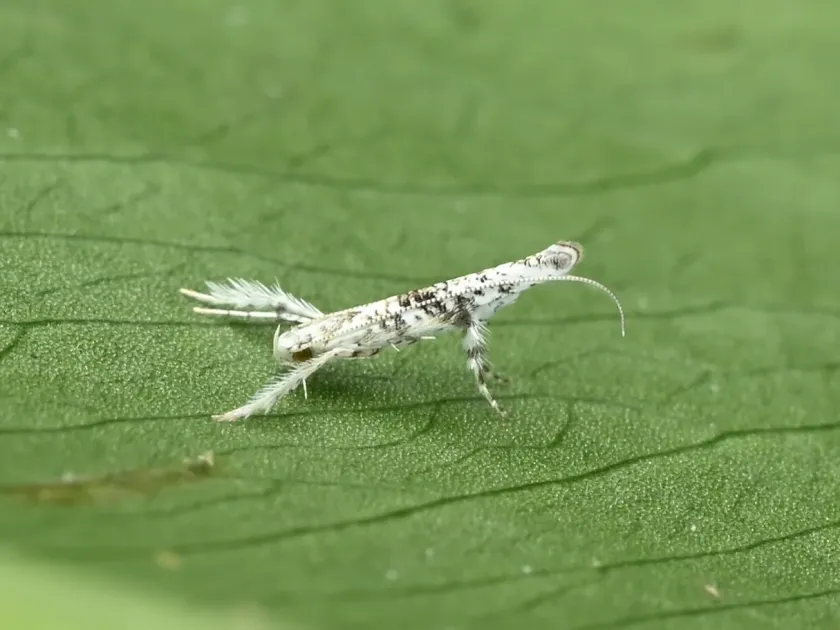
Description
How to identify
The genus Cuphodes belongs to the order Lepidoptera and the family Gracillariidae. These are typically small, delicate moths commonly referred to as leaf-mining moths.
Adults possess narrow wings with characteristic fringes, which is a common morphological trait within the Gracillariidae family. Their coloration often serves as camouflage against bark or leaf surfaces.
The larvae are specialized leaf miners, meaning they feed internally between the leaf epidermis layers. Their mouthparts are highly adapted for this specific feeding behavior throughout their development.
The life cycle is tightly synchronized with the phenology of their host plants. Identification at the species level usually requires specialist entomological knowledge and microscopic examination of specific physical structures.
Effective monitoring in the field relies on identifying the specific patterns of damage left behind rather than observing the adults themselves.
##damage##This pest primarily attacks various woody plants and shrubs, which are significant in both forestry and urban landscape design.
The larvae feed on the internal tissues of leaves, creating tunnels or mines that disrupt the plant's photosynthetic capacity. This damage can lead to a significant reduction in overall plant vigor.
In cases of heavy infestation, premature leaf drop occurs, which weakens the tree or shrub and renders it susceptible to secondary environmental stresses or diseases.
The aesthetic value of ornamental plants is severely diminished by the presence of necrotic mines and deformed leaf surfaces.
While often localized, consistent yearly infestation can lead to stunted growth and reduced biomass production in forest plantations.
##season##Activity typically begins in the spring, triggered by rising temperatures and the emergence of new growth on host plants.
The flight period of adult moths can be extended, often leading to overlapping generations throughout the summer months.
Multiple generations can occur within a single growing season, with population peaks often coinciding with the most vigorous growth phases of the host plants.
As winter approaches, the final generation of larvae enters a dormant state, often overwintering as pupae in bark crevices or plant debris.
A proactive scouting schedule, starting from bud burst, is essential for detecting the presence of the pest before significant damage occurs.
##signs##The most distinctive sign of infestation is the appearance of light-colored or brownish mines on the leaves, which indicate where the larvae have been feeding.
As the larvae grow, these mines enlarge and may cause the leaf tissue to turn yellow or necrotic, making the damage clearly visible upon close inspection.
The presence of frass (larval excrement) within the mined areas is a clear indicator of active feeding by leaf-mining larvae.
Leaf curling or crumpling is often observed in areas where the infestation density is high, further damaging the integrity of the leaf.
Premature leaf senescence and abscission are late-stage symptoms that indicate the plant has been under heavy infestation pressure.
##control##Management of Cuphodes requires an integrated pest management (IPM) approach to ensure sustainable and effective control.
Cultural control methods include the sanitation of the orchard or landscape area, specifically by removing and destroying leaf litter to eliminate overwintering pupae.
- Application of systemic insecticides during critical periods of larval hatching.
- Use of biological control agents, such as entomopathogenic fungi or bacteria, to suppress populations naturally.
- Deployment of pheromone traps to monitor adult flight and time chemical interventions correctly.
Maintaining optimal plant health through proper irrigation and nutrition helps trees withstand low levels of infestation without significant long-term impact.
Continuous monitoring and adherence to pesticide safety guidelines are crucial for achieving long-term management success.
Taxonomy
- Latin name
- Cuphodes
- Order
- Lepidoptera (butterflies)
- Family
- Gracillariidae
- EPPO code
- CUPHSP
Discussion
No discussions yet — be the first.