
Corticeus glaber
Corticeus glaber
Description
How to identify
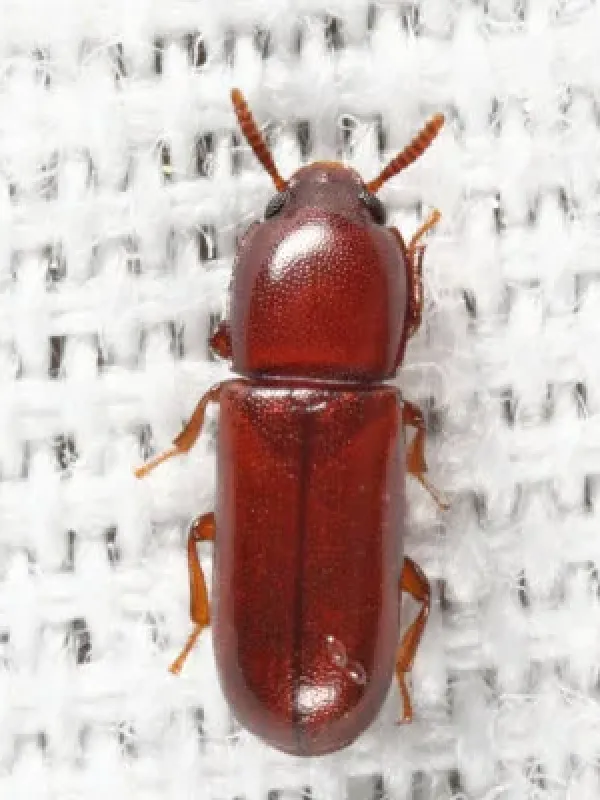
Corticeus glaber is a small beetle belonging to the Tenebrionidae family, often referred to as darkling beetles. The adults are typically 3 to 4 mm long with a slender, shiny, dark brown or black body, well-adapted for maneuvering in tight spaces.
The larvae are cylindrical and exhibit a yellowish hue with a hardened, chitinous exterior. They are highly mobile and thrive in environments where they can burrow into stored organic matter, such as grain or cereal products.
These insects possess strong chewing mouthparts, which enable them to feed effectively on their host substrate. Their physiological resilience allows them to survive in conditions with low humidity, which is common in many grain storage facilities.
Corticeus glaber is primarily a nocturnal or cryptic insect, preferring to hide in cracks, crevices, and deep within grain piles. This cryptic behavior often makes detection difficult until an infestation has become significant.
The reproductive cycle of the beetle is closely tied to ambient temperature and moisture levels. In temperature-controlled warehouses, they can breed continuously, leading to overlapping generations and rapid population growth.
What it damages
This species is categorized as a secondary pest, meaning it usually targets grain that has already been damaged by primary pests or environmental factors like moisture-induced mold. It thrives in neglected storage conditions.
Common hosts include wheat, rye, barley, and processed cereal products like flour or bran. By feeding on the internal part of the grain kernels, the larvae and adults significantly reduce the overall quality and commercial value of the crop.
Besides direct consumption, the presence of these beetles causes grain mass contamination with their waste and shed skins. This often leads to increased respiration of the stored product, resulting in localized hotspots of heat.
Infested grain becomes highly susceptible to rapid spoilage and secondary fungal attacks. Once the mold begins to grow, the nutritional profile of the grain degrades, making it unsuitable for human or animal consumption.
Economic losses arise not only from the loss of weight but also from the costs associated with mandatory fumigation and the potential rejection of infested shipments by grain quality control authorities.
Control measures
The most effective strategy for managing Corticeus glaber is strict sanitation within the facility. Removing dust, debris, and residues of old grain from floor cracks and equipment is essential to disrupt their life cycle.
Maintaining low moisture content in stored grain is crucial, as this inhibits both the beetles and the development of the mold they often thrive alongside. Effective aeration systems help maintain the necessary cool and dry storage conditions.
When an infestation is detected, physical cleaning must be supplemented with chemical interventions. Residual spraying of warehouse surfaces using approved insecticides can help clear active beetles and prevent re-infestation.
Fumigation remains the gold standard for treating heavily infested grain mass. Using specialized gases in sealed containers or silos ensures that all life stages, including larvae inside the grains, are eradicated completely.
Regular inspection and the use of pheromone-based traps serve as early warning systems. By monitoring beetle activity, warehouse managers can take targeted actions to suppress populations before they cause widespread damage.
Taxonomy
- Latin name
- Corticeus glaber
- Order
- Coleoptera (beetles)
- Family
- Tenebrionidae
- EPPO code
- CRTCGL
Discussion
No discussions yet — be the first.