

Pest · Lepidoptera (butterflies) · affects Cereals, Winter wheat, Maize
Indian meal moth (Corcyra)
Corcyra
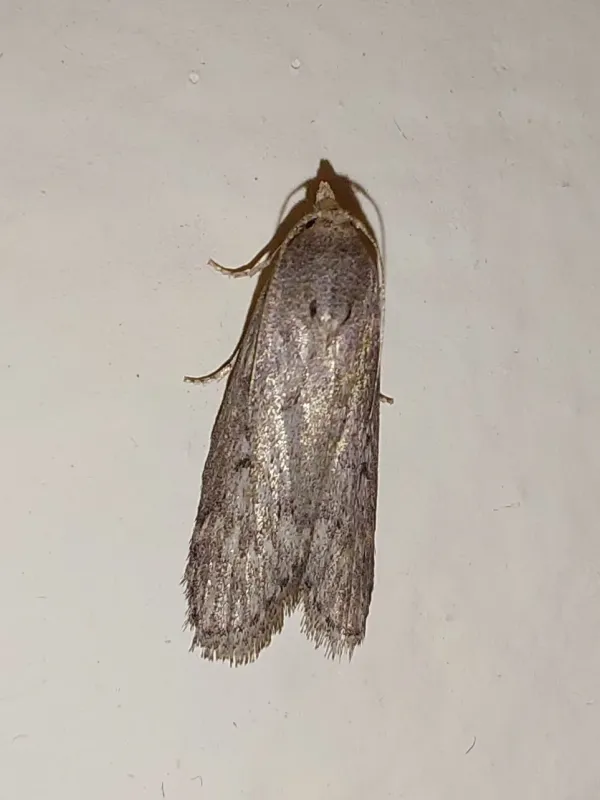
Description
How to identify
The Indian meal moth (Corcyra cephalonica) belongs to the order Lepidoptera and the family Pyralidae, commonly recognized as a serious pest of stored products.
The adult moth is characterized by a wingspan of 20–25 mm. The forewings are typically grayish-brown with darker markings, while the hindwings are paler with a fringe.
The larvae are approximately 15–20 mm long, featuring a creamy-white body and a distinct brown head, equipped with mandibles for chewing through various stored materials.
Females deposit tiny, oval-shaped eggs directly onto the surface of food sources, often in crevices of packaging or within the grain mass itself.
Identification is frequently performed via visual inspection of stored food for webbing or by using pheromone traps to detect the presence of adult males.
What it damages
The larvae are polyphagous and feed on a wide variety of dried products, including flour, cereals, bran, nuts, cocoa beans, and dried fruits.
As they feed, the larvae spin silken webbing that binds particles of the foodstuff together, creating dense nests that spoil the commercial quality of the product.
The presence of larvae leads to severe contamination of storage stocks with feces, shed larval skins, and webbing, often triggering mold development.
Heavy infestations can lead to the total loss of inventory in mills and warehouses, as the product becomes unsuitable for human consumption due to contamination.
In addition to direct consumption, the insects can bore through packaging materials, facilitating the spread of the infestation to clean, nearby containers.
When it appears
Corcyra cephalonica is a warehouse pest that thrives year-round in temperature-controlled environments, such as processing plants and silos.
The development time depends heavily on temperature and humidity; in warm conditions (+25°C to +30°C), multiple generations can occur annually.
A single female can lay hundreds of eggs throughout her lifespan, which ensures rapid colonization of any susceptible substrate if left unmonitored.
The life cycle from egg to adult is relatively short, allowing populations to explode within a few weeks if conditions are ideal.
While most active in warmer months, the pest remains a constant threat in heated indoor facilities, making permanent monitoring necessary.
Signs of infestation
The first sign of infestation is usually the presence of adult moths flying in a zigzag pattern near food storage areas, particularly during the twilight hours.
A clear indicator of larval activity is the appearance of clumped particles of flour or grain webbed together by silk threads within the product containers.
The accumulation of dark granular frass on top of stored goods is a definitive sign of active feeding by the larvae.
In cases of severe infestation, the packaging itself may show signs of entry holes, and a distinct, stale, or musty odor often permeates the storage area.
Routine checking of grain stocks and finished products is critical to identifying these signs before the population reaches an uncontrollable level.
Control measures
Integrated Pest Management (IPM) for this species focuses on rigorous sanitation and the use of physical barriers to prevent cross-contamination.
- Implementing strict cleaning protocols to remove dust and spilled grain where moths breed.
- Maintaining low temperatures in storage areas to inhibit larval development.
- Using fumigation with phosphine-based products as a last resort for severe infestations.
- Employing pheromone traps to monitor adult population trends and timing of interventions.
- Ensuring that all storage containers are tightly sealed to restrict moth entry.
Content graph
Connections · Indian meal moth (Corcyra)
Most often together:
Marketplace
Products · 1
Biology
Taxonomy
- Latin name
- Corcyra
- Order
- Lepidoptera (butterflies)
- Family
- Pyralidae
- EPPO code
- CORRSP
Community
Discussion
No discussions yet — be the first.