
Elm gall aphid
Colopha compressa
Description
How to identify
The elm gall aphid (Colopha compressa) is a specialized insect species belonging to the Pemphigidae family, known for inducing abnormal growths on elm leaves.
The adult aphids are tiny, often hidden beneath a protective layer of wax within the specialized structures called galls, which serve as their primary shelter.
Its complex life cycle involves host alternation, where the aphid spends part of its life on elm trees and part on secondary hosts like grasses.
Winter survival is ensured by eggs deposited in the deep bark crevices of elm trees, which hatch in early spring when temperatures begin to rise.
The biology of this species is highly adapted to the host tree's phenology, ensuring that the aphids emerge precisely when the new leaves are developing.
What it damages
Elm trees, particularly the common elm, serve as the primary host where the aphid feeds and induces gall formation on leaf tissues.
The feeding activity involves the injection of saliva, which triggers the tree to grow distorted leaf tissue around the aphid colony.
Severe infestations can lead to substantial leaf loss, which diminishes the tree's photosynthetic capability and overall vigor throughout the growing season.
In nursery settings, damage caused by this pest can result in stunted growth and a significant loss in the market value of the elm saplings.
The aesthetic damage is also a major concern for landscape managers, as heavily galled foliage becomes unsightly and prematurely sheds from the canopy.
When it appears
Activity commences in early spring, synchronized with the bud burst of the host elm tree, marking the period of initial colonization.
Gall formation is most intense in late spring and early summer, as the aphid populations proliferate within their protected leaf structures.
Mid-summer often sees the emergence of winged forms, which migrate to secondary host plants to continue their reproductive cycle.
The return migration to the primary host, the elm, occurs in autumn, where the aphids lay the overwintering eggs in the tree bark.
Warm and dry spring weather often correlates with higher population densities, as these conditions are ideal for the development of the gall-forming colonies.
Signs of infestation
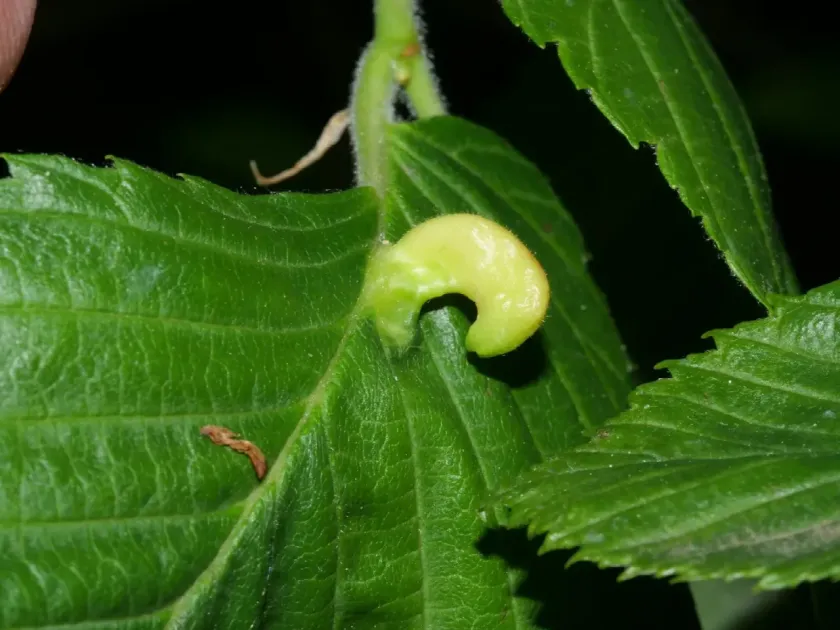
The primary symptom is the appearance of distinct, comb-like galls on the upper surface of the elm leaves, which are clearly visible to the naked eye.
Affected leaves show signs of rolling, curling, and eventually turning yellow or brown as the aphids extract essential nutrients from the plant.
A slit-like opening is often present on the underside of the leaf, which serves as an exit point for the aphids once they complete their growth stage inside.
- Comb-like red or green galls on leaves.
- Leaf deformation and premature curling.
- Excessive sticky honeydew deposits on branches.
- Increased presence of ant colonies on the tree trunk.
Regular inspections of the foliage in the early season allow for early detection, which is crucial for managing the population effectively.
Control measures
Cultural practices such as proper fertilization and irrigation support tree health, allowing elms to better withstand and recover from aphid-induced stress.
In smaller landscapes, manual removal and destruction of infested leaves before the galls open can significantly reduce the local aphid population.
Chemical control is only effective if applied early in the spring, before the aphids are fully enclosed within the protective walls of the gall structures.
Systemic insecticides are recommended for application, as they travel through the plant tissues to reach the aphids residing within the leaf galls.
Biological control through the preservation of natural predators like ladybugs, lacewings, and hoverflies is an excellent way to maintain long-term management.
Taxonomy
- Latin name
- Colopha compressa
- Order
- Hemiptera (bugs, aphids, leafhoppers)
- Family
- Aphididae
- EPPO code
- CLPHCO
Discussion
No discussions yet — be the first.