
Coenosia attenuata
Coenosia attenuata
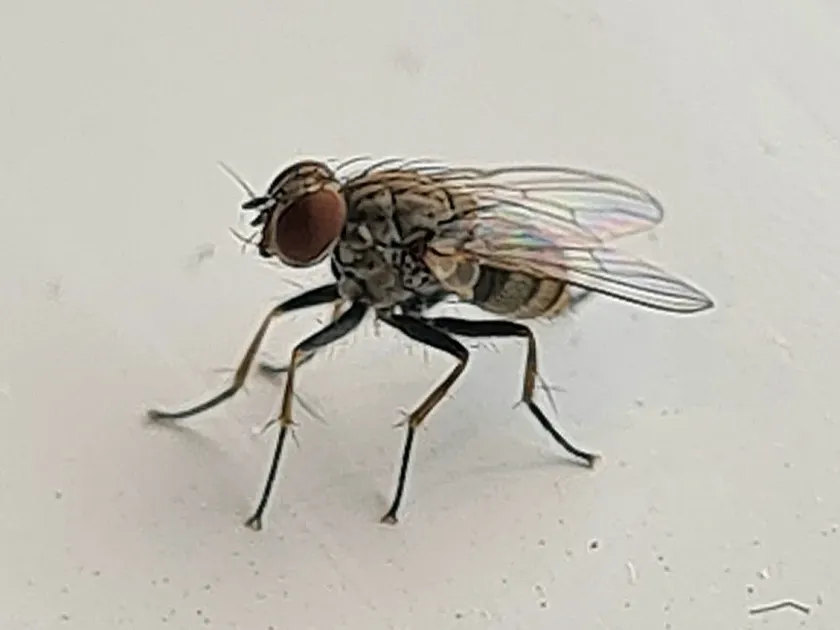
Description
How to identify
Coenosia attenuata is a species of the Muscidae family, commonly known as a predatory fly. The adult fly measures approximately 3–5 mm in length.
The fly is characterized by its greyish appearance and predatory behavior, often perching on leaves to hunt for smaller flying insects.
The larvae are typically found in moist soil or hydroponic substrates, where they feed on organic matter or other small invertebrates.
Identifying this species can be difficult for non-experts as it shares visual similarities with other species within the Coenosia genus.
The presence of this insect in greenhouses is often noted by professional growers due to its characteristic resting position on plant leaves.
What it damages
While often categorized as a predatory fly, Coenosia attenuata can act as a nuisance or secondary pest when populations reach high densities.
Adult flies may cause mechanical damage to leaf tissues when perching, which can occasionally lead to secondary fungal infections in the plant.
The main agricultural concern involves the larvae, which may feed on young roots when other food sources in the substrate are insufficient.
High infestation levels in greenhouses can indicate an unstable environment, potentially interfering with integrated pest management programs.
The damage is usually subtle, making early detection a key factor in preventing significant impacts on sensitive seedling crops.
When it appears
Inside greenhouses, Coenosia attenuata is active throughout the year, as controlled indoor environments support continuous reproduction.
In outdoor settings, the activity peaks during the warmer months, typically from late spring through early autumn in temperate climates.
The fly goes through multiple generations per year, allowing it to quickly build up populations when conditions are favorable.
Humidity is a critical factor, as higher moisture levels in the growing medium facilitate the development and pupation of the larvae.
Seasonal patterns are mostly observed in non-climate-controlled spaces where temperature drops can temporarily inhibit their lifecycle.
Signs of infestation
The primary sign of infestation is the frequent capture of these flies on yellow sticky traps placed throughout the greenhouse area.
Observation of flies resting on leaves with a "wait and pounce" behavior towards other small insects is a strong indicator of their presence.
Unexplained stunted growth in young plants often warrants an inspection of the root zone for the presence of larvae.
Presence of small necrotic spots on the foliage, often localized where the flies congregate, provides further evidence of their activity.
Monitoring the moisture levels in the substrate can also reveal the larval stage if the growing medium is frequently saturated.
Control measures
The use of yellow and blue sticky traps is the most common method for monitoring and reducing the population of adult flies.
Proper irrigation management is vital to keep the substrate moisture at levels that do not favor excessive larval development.
Biological control methods, including the use of entomopathogenic nematodes or fungi like Beauveria bassiana, are highly effective against larvae.
Maintaining strict greenhouse hygiene, such as removing debris and dead foliage, reduces the available habitat for the fly's lifecycle.
- Use of sticky yellow traps
- Optimized irrigation regimes
- Application of beneficial nematodes
- Regular scouting and monitoring
Taxonomy
- Latin name
- Coenosia attenuata
- Order
- Diptera (flies)
- Family
- Muscidae
- EPPO code
- COEAAT
Discussion
No discussions yet — be the first.