
Shoot fly
Atherigona
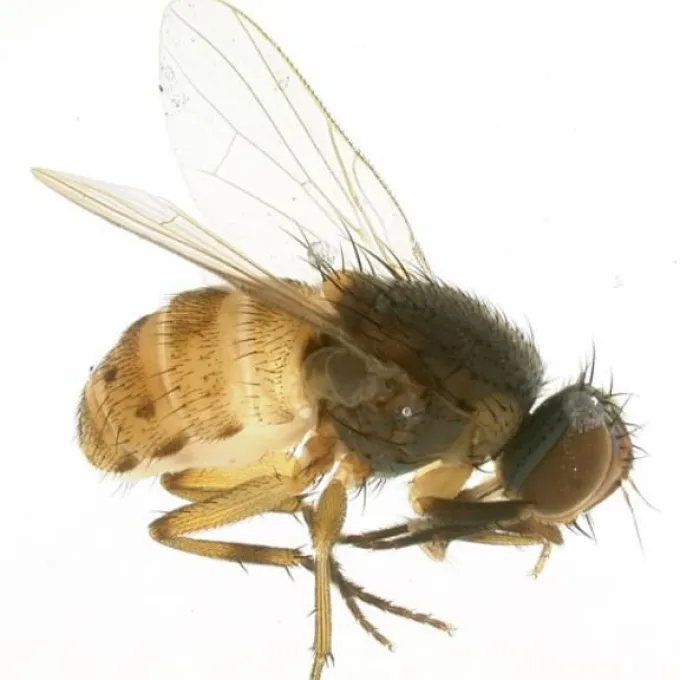
Description
How to identify
The shoot fly (Atherigona) is a genus of flies in the family Muscidae, order Diptera. These insects are known for their significant impact on seedling development in various cereal crops.
The adults are small flies, typically gray or yellowish, that resemble common houseflies but are specialized in their feeding and reproductive habits.
The life cycle includes four distinct stages: egg, larva, pupa, and adult. The larval stage is the one responsible for the primary damage to plant tissues.
In tropical and subtropical regions, these flies can complete multiple generations in a single season, making them persistent pests throughout the year.
The most economically significant species in this genus is Atherigona soccata, which is widely recognized as a major threat to sorghum and other grain production systems.
What it damages
The shoot fly larvae primarily attack grasses, including economically important crops such as sorghum, maize, rice, and wheat.
Damage occurs when the larva bores into the central shoot of a young plant, destroying the growing point, which is critical for the plant's development.
The pest is most destructive during the early growth stages of the plant, specifically from germination until the plant reaches a certain age.
Severe infestations can lead to significant economic losses, sometimes destroying the entire crop if not managed during the early stages of establishment.
Even if the plant survives, the destruction of the main shoot leads to irregular growth and reduced yields, which impacts the overall profitability of the agricultural enterprise.
Signs of infestation
The most diagnostic sign of shoot fly infestation is the «dead heart» symptom, where the youngest leaf withers and dies.
Affected plants show a distinct yellowing of the central shoot, which can be easily pulled out from the whorl, often revealing the presence of the larva inside.
Plants attacked by shoot flies often compensate by producing excessive tillers, but these tillers frequently fail to produce a productive head.
Closer inspection of the stem base often shows necrotic tissue or the presence of the white or cream-colored maggots associated with the feeding activity.
Early detection is crucial, as the damage becomes irreversible once the growing point of the plant is completely destroyed by the tunneling larva.
Control measures
Integrated pest management strategies are essential to mitigate the damage caused by the shoot fly in major cereal production areas.
Seed treatment with systemic insecticides before planting provides the most effective protection during the vulnerable seedling stage.
Adjusting the planting date to avoid peak fly activity is a key cultural practice that significantly reduces the risk of infestation.
Sanitation practices, such as removing volunteer host plants and maintaining clean fields, help reduce the local population of the pest.
- Systemic insecticide seed treatments.
- Strategic early or late sowing dates.
- Use of pest-resistant cultivars and hybrids.
- Crop rotation and field hygiene.
Taxonomy
- Latin name
- Atherigona
- Order
- Diptera (flies)
- Family
- Muscidae
- EPPO code
- ATHESP
Discussion
No discussions yet — be the first.