
Spruce resin aphid
Cinara pruinosa
Description
How to identify
The spruce resin aphid (Cinara pruinosa) is a member of the Aphididae family that specifically targets various species of spruce (Picea).
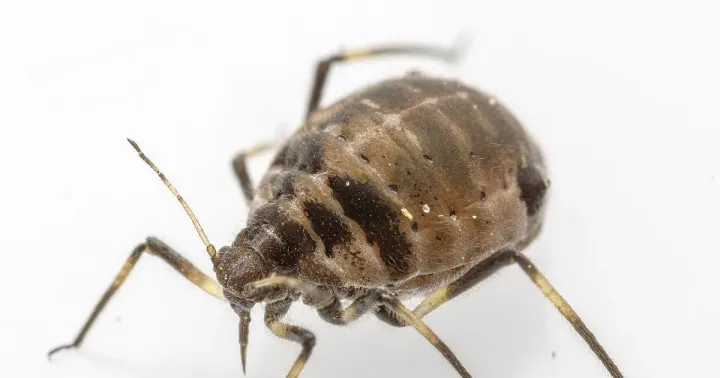
Adult aphids are relatively large, typically measuring 3 to 4 mm in length, and exhibit a brownish to dark brown body coloration.
The body is often covered in a fine, powdery wax secretion, which gives the insect a greyish or dull appearance, helping it blend into the bark.
The species displays polymorphism, with both winged and wingless forms present throughout the season to facilitate both local feeding and migration.
They are characterized by relatively short antennae and pale yellowish legs, features that serve as key markers when differentiating them from other conifer-inhabiting aphid species.
What it damages
This pest feeds on the sap of spruce trees by inserting its stylets into the bark of young twigs, branches, or even the main trunk.
Heavy infestations can cause significant stress to young spruce trees, leading to stunted growth, distorted twigs, and a general decline in the tree's health.
Like many other aphids, they excrete large amounts of honeydew, which covers the foliage and serves as a substrate for the growth of sooty mold.
Sooty mold accumulation blocks sunlight, which interferes with the tree's photosynthesis and negatively impacts its overall vigor and aesthetic value.
In severe cases, the damage results in premature needle drop, thinning of the crown, and increased susceptibility to secondary infections or other pests.
When it appears
The lifecycle typically begins in spring with the hatching of nymphs from overwintered eggs that have been laid in the crevices of the spruce bark.
During the late spring and early summer months, the aphid population undergoes rapid parthenogenetic reproduction, leading to the formation of large colonies.
Winged individuals emerge during the summer to colonize new parts of the tree or spread to neighboring spruce trees, expanding the infestation zone.
As temperatures begin to drop in the autumn, sexual forms are produced, which eventually mate and deposit overwintering eggs.
These eggs remain dormant on the bark throughout the winter, providing a stable starting point for the next generation once the spring warmth returns.
Signs of infestation
The presence of dense colonies of dark-colored aphids on the stems of young spruce branches is a definitive sign of an active infestation.
Ant activity is a common indicator, as ants are frequently observed tending the aphid colonies to harvest the sweet honeydew they produce.
Sticky, shiny patches on the needles and stems indicate the presence of honeydew, which is often followed by the development of black, powdery sooty mold.
Needle yellowing and discoloration are early warning signs that the aphid colony is draining the tree of vital fluids and nutrients.
- Dark aphids clustered on bark.
- Sticky honeydew residue on needles.
- Growth of black sooty mold.
- Yellowing and loss of needles.
- High ant traffic on the trunk.
Control measures
Management involves the use of systemic insecticides that are absorbed by the tree and effective against sap-sucking insects like aphids.
Applying horticultural soaps or oils during the early season can help manage minor outbreaks while minimizing the impact on beneficial insects.
Managing ant populations on the tree is crucial, as ants protect the aphids from predators, allowing the colonies to thrive unchecked.
Encouraging natural predators such as lady beetles, lacewings, and parasitic wasps can significantly reduce aphid numbers in a balanced ecosystem.
Ensuring proper irrigation and fertilization helps the trees maintain their natural defenses and recover more effectively from aphid damage.
Taxonomy
- Latin name
- Cinara pruinosa
- Order
- Hemiptera (bugs, aphids, leafhoppers)
- Family
- Aphididae
- EPPO code
- CINOPR
Discussion
No discussions yet — be the first.