
Cedar aphid
Cinara cedri
Description
How to identify
The cedar aphid (Cinara cedri) is a member of the Aphididae family within the Hemiptera order. It is a specialized pest that specifically targets various species of the Cedrus genus.
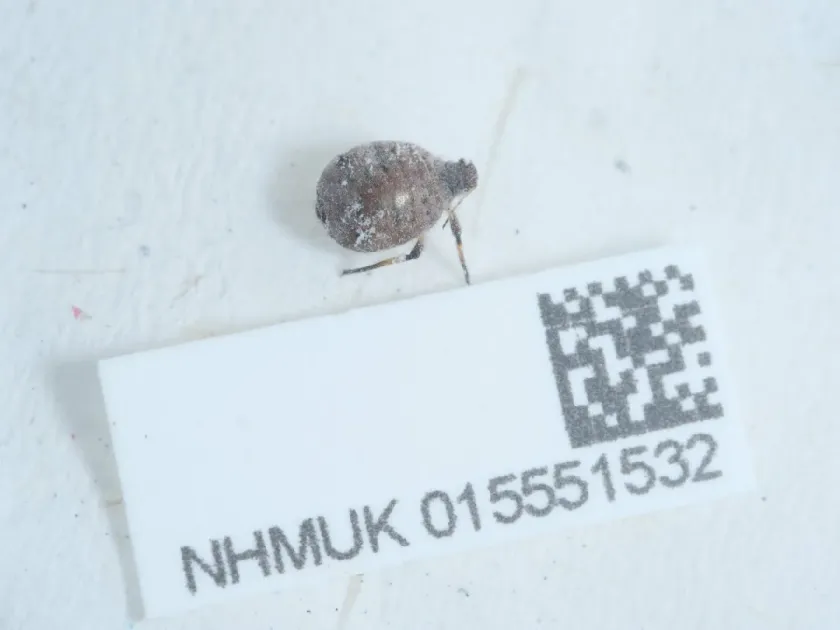
Adult aphids are typically dark brown or black, allowing them to blend into the rough, dark bark of cedar trees. They are often covered in a slight waxy secretion for protection.
The life cycle includes both winged and wingless forms. The winged adults are primarily responsible for migration between trees and colonization of new, healthy parts of the host plant.
These aphids are gregarious insects, living in colonies that can grow significantly in size during favorable weather conditions, usually concentrating on young, succulent shoots.
The species has developed specific morphological features to tap into the vascular tissues of conifers, efficiently extracting phloem sap while remaining attached to the bark surface.
What it damages
This pest infests several types of cedars, including the Lebanon, Himalayan, and Atlas cedars. It can severely impact both young saplings and mature, established trees.
By constantly feeding on sap, the aphids deprive the tree of essential nutrients, leading to physiological weakness, reduced growth rates, and overall decline in tree health.
Heavy infestations result in the distortion of new needles and shoots. This weakens the tree's structure and can make the affected branches more susceptible to secondary environmental stresses.
The excretion of honeydew by the aphids is a major secondary issue. This sticky substance covers the needles, interfering with gas exchange and photosynthesis, which further degrades the tree's vitality.
Prolonged feeding causes chlorosis, needle shedding, and in severe cases, the death of individual branches or even the entire tree if the infestation is not addressed.
When it appears
The seasonal activity begins in early spring, as soon as temperatures rise and the trees begin their seasonal sap flow, which serves as the primary food source.
The population tends to peak during late spring and early summer, taking advantage of the tender new growth which is most accessible to their piercing-sucking mouthparts.
Development is rapid during the warmer months, with multiple generations overlapping throughout the season, leading to a constant presence of all life stages on the host.
As autumn approaches, the aphids produce overwintering eggs. These are carefully deposited in crevices of the bark and near the base of needle bundles to withstand winter conditions.
The egg stage is highly resilient, allowing the species to survive harsh winters and ensure a new cycle begins once the temperatures become favorable the following spring.
Signs of infestation
Visual identification is often prompted by the presence of large clusters of dark-bodied aphids on the bark, stems, or at the base of current-season needles.
The presence of honeydew is a primary indicator. It appears as a shiny, sticky layer on the needles, often attracting black sooty mold fungus which gives the tree a dark, dirty appearance.
Ant activity is a very strong clue. Ants are known to farm these aphids for their honeydew, and seeing trails of ants climbing up the cedar trunk is a classic sign of an aphid colony.
Damage to the foliage becomes apparent through yellowing needles (chlorosis) that may eventually drop prematurely, especially if the infestation is concentrated on specific branches.
- Clusters of dark aphids on young bark.
- Sticky honeydew deposits on foliage.
- Sooty mold growth on needles and branches.
- Presence of tending ants.
- Yellowing or stunted growth of new needles.
Control measures
Effective management begins with regular monitoring of cedar trees during the spring, focusing on the undersides of branches and new shoot growth.
Systemic insecticides are the most effective chemical intervention, as they are absorbed by the tree and kill the aphids when they ingest the treated plant sap.
Controlling ants is a vital cultural practice. By placing sticky barriers around the tree trunks, one can prevent ants from protecting the aphids, which exposes them to natural predators.
Encouraging biological control agents, such as lady beetles (Coccinellidae), hoverflies, and lacewings, can help naturally regulate aphid populations in garden and landscape settings.
Proper plant care, including balanced fertilization and deep watering during dry spells, helps the trees maintain enough vigor to recover from aphid-induced stress.
Taxonomy
- Latin name
- Cinara cedri
- Order
- Hemiptera (bugs, aphids, leafhoppers)
- Family
- Aphididae
- EPPO code
- CINOCE
Discussion
No discussions yet — be the first.