
Pest · Coleoptera (beetles)
Mint leaf beetle
Chrysolina exanthematica
Description
How to identify
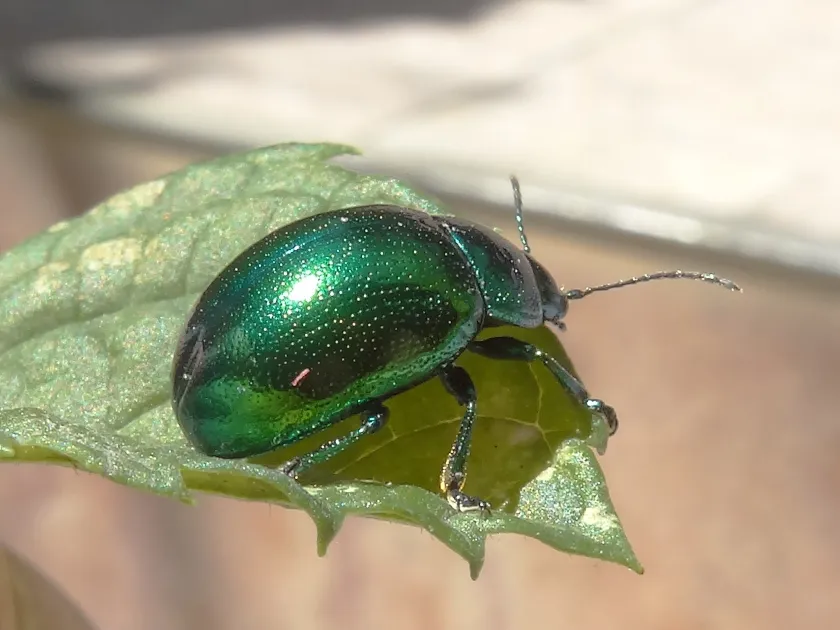
The mint leaf beetle is a member of the leaf beetle family (Chrysomelidae) within the order Coleoptera. Adult beetles are typically oval in shape, measuring 6 to 10 millimeters, and display a brilliant metallic green or bronze sheen.
The wing covers (elytra) are characterized by fine, scattered punctures that contribute to the insect's distinctive metallic appearance. Larvae are generally yellowish-gray, soft-bodied, and often less conspicuous than the adults.
Adult beetles are quite active in warm weather and exhibit a defense mechanism of dropping to the ground and playing dead when disturbed or threatened by predators.
The life cycle involves complete metamorphosis: egg, larva, pupa, and adult. Adults typically overwinter in the soil or under dense plant debris, emerging in early spring as temperatures rise.
Females deposit their eggs on the underside of host plant leaves, ensuring that emerging larvae have immediate access to their preferred food source.
What it damages
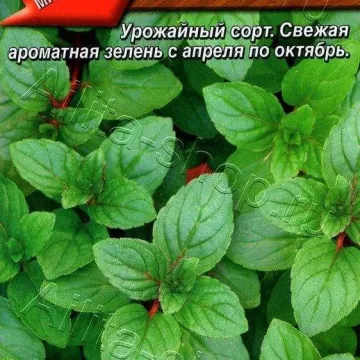
The primary hosts for this pest are members of the Lamiaceae family, particularly various species of mint (Mentha), as well as lemon balm and other essential oil-bearing herbs.
Both adults and larvae feed on the foliage, creating ragged holes or skeletonizing the leaves, which significantly hampers the plant's ability to undergo photosynthesis.
Heavy infestations can lead to substantial biomass loss, which is particularly detrimental for gardeners and commercial growers focused on yield and leaf quality.
The depletion of leaves directly affects the plant's vigor and the accumulation of essential oils, thereby reducing the aromatic and medicinal value of the crop.
Severe feeding on apical meristems or tender shoots can stunt plant growth and, in extreme cases, lead to the desiccation and death of the entire plant.
Signs of infestation
The most noticeable sign of a mint leaf beetle infestation is the presence of irregular, circular, or jagged holes in the foliage, often referred to as shot-holes.
Active inspection of the plant's underside and axils, especially during early morning or evening hours, will likely reveal the presence of the beetles themselves.
Dark fecal droppings left on the leaves are a classic indicator of larval activity and serve as a warning sign before the damage becomes extensive.
Wilting of the upper stems or yellowing leaves can indicate that the beetles have damaged the vascular tissue or are feeding intensively on the top growth of the plant.
A general decline in the plant's health, characterized by stunted growth and lack of vitality despite adequate watering, often correlates with beetle presence.
Control measures
Cultural control measures include consistent weeding, as removing wild mint and related plants minimizes the available habitats for the beetles during the season.
Manual removal of beetles by hand-picking during the cool early morning hours is an effective, non-toxic strategy for small garden beds and potted mint plants.
Biological control using entomopathogenic fungi or bacteria offers a way to manage beetle populations while preserving the safety and quality of edible herb crops.
In cases of severe infestation, targeted application of soft or botanical insecticides may be necessary, provided that harvest intervals are strictly observed.
Tilling the soil in late autumn helps disrupt the overwintering sites of the adult beetles, effectively reducing the pressure for the following spring season.
Content graph
Connections · Mint leaf beetle
Most often together:
Marketplace
Products · 1
Biology
Taxonomy
- Latin name
- Chrysolina exanthematica
- Order
- Coleoptera (beetles)
- Family
- Chrysomelidae
- EPPO code
- CHRSEX
Community
Discussion
No discussions yet — be the first.