
Chironomus tepperi
Chironomus tepperi
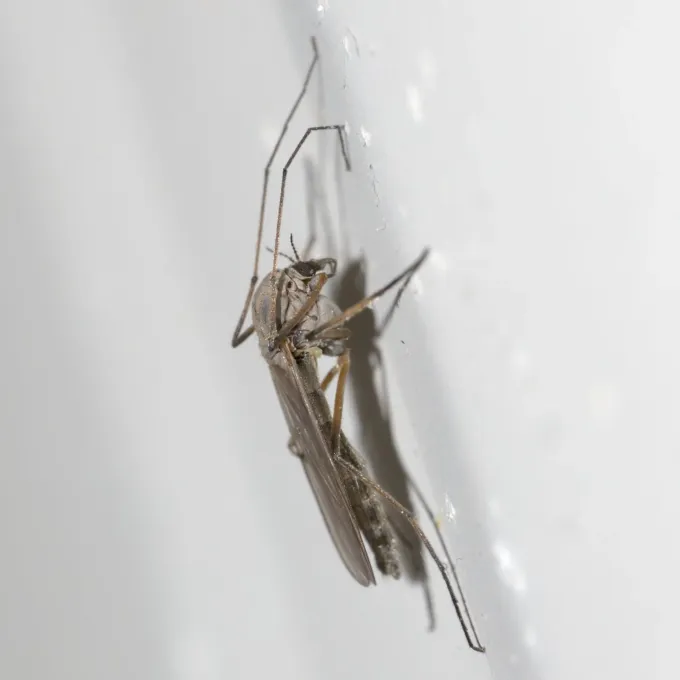
Description
How to identify
Chironomus tepperi, commonly referred to as the rice midge, belongs to the family Chironomidae (non-biting midges). Adult midges are small, delicate flies that do not feed on blood or cause direct damage to plants.
The larvae, often called bloodworms due to their reddish color, are the primary pest stage. They are cylindrical, possess a well-defined head, and live in the aquatic sediment of rice fields.
The red color of the larvae comes from hemoglobin-like pigments, which enable them to thrive in low-oxygen environments found in the muddy bottoms of flooded rice paddies.
The life cycle is rapid and temperature-dependent, consisting of egg, larva, pupa, and adult stages. Under optimal conditions, a generation can be completed within 14 to 21 days.
Adult females lay gelatinous egg masses directly into the water or on submerged vegetation. Upon hatching, the larvae immediately migrate to the substrate to begin feeding.
What it damages
The rice midge primarily attacks direct-seeded rice crops. Damage is most severe during the first two weeks after sowing or seedling establishment.
Larvae feed on germinating seeds, often consuming the embryo and preventing emergence. This results in patchy stands and necessitates costly reseeding operations for farmers.
In addition to seeds, larvae cut through the base of young rice stems. This causes the seedlings to become detached from the soil and float on the water surface, leading to plant death.
High infestations can lead to significant yield losses. The impact is particularly high in fields with poor water management or those where the soil remains permanently saturated after sowing.
Indirect damage includes the churning of bottom sediments. The activity of high larval densities increases water turbidity, which reduces light penetration and hinders the photosynthetic capacity of seedlings.
When it appears
Chironomus tepperi activity is strictly synchronized with the flooding of rice fields. The pest is most problematic from spring through late summer when water temperatures rise.
The first generation typically emerges shortly after the initial irrigation of the fields. Peak population levels often coincide with the germination period of the rice crop.
Multiple generations occur throughout the growing season if the aquatic conditions remain stable. Warm water temperatures significantly shorten the development time of each generation.
During the fall, as fields are drained for harvest, the population density decreases. Adult midges migrate to surrounding moist habitats or crop residues to survive during the off-season.
Strategic timing of field flooding can help mitigate the pest's impact by avoiding peak adult migration and egg-laying periods, which are often detected through monitoring.
Signs of infestation
The most visible sign of an infestation is the presence of detached rice seedlings floating on the surface of the paddy water, often with severed bases.
Farmers often notice significant thinning of the crop stand shortly after emergence. These areas of low density usually indicate high larval feeding activity in the soil.
Closer inspection of the soil surface in affected areas reveals the presence of blood-red larvae or their tubes within the muddy layer.
Excessive turbidity of the water, not related to wind or rain, is often a strong indicator of high benthic activity caused by the larvae.
- Floating seedlings on the water surface.
- Empty seed husks present in the sediment.
- Patchy or sparse crop stands.
- Increased water turbidity during the early growth stage.
Control measures
Water management is the most effective control strategy. Draining the rice fields for 48 to 72 hours can effectively dry out the top soil layer, killing the larvae.
Chemical control via insecticides is an option but must be balanced against the risk of harming aquatic ecosystems. Applications should be targeted based on threshold monitoring.
Proper field preparation, including precise laser leveling, reduces deep depressions where water might stagnate and provide a refuge for midge larvae to flourish.
Early-stage agronomic practices, such as using high-vigor seeds and appropriate fertilization, help the crop grow quickly through the vulnerable seedling stage.
The use of light traps is recommended for monitoring adult populations. This data allows for more accurate timing of water management interventions and prophylactic measures.
Taxonomy
- Latin name
- Chironomus tepperi
- Order
- Diptera (flies)
- Family
- Chironomidae
- EPPO code
- CHIRTE
Discussion
No discussions yet — be the first.