
Rose aphid
Chaetosiphon tetrarhodum
Description
How to identify
The rose aphid (Chaetosiphon tetrarhodum) is a small insect belonging to the family Aphididae. Adults typically measure between 2 to 3 mm in length and exhibit a characteristic spindle-shaped body.
This species is distinguished by the presence of long, capitate (club-shaped) hairs on its body, which are clearly visible under magnification. Their antennae are notably long, extending beyond the length of the body.
The population consists of both wingless and winged forms. Winged adults are primarily responsible for the migration of the pest to new host plants, facilitating rapid spread throughout the rose garden.
The lifecycle involves parthenogenesis, allowing for explosive population growth during favorable weather conditions. A single colony can expand across a bush in just a few days if left unchecked.
Overwintering occurs in the egg stage. These small, black, shiny eggs are laid by females in the autumn, usually tucked into the crevices of bark or at the base of buds on rose canes.
What it damages
The primary hosts for this aphid are members of the Rosa genus. They are specialized pests that selectively target the most nutrient-dense, soft tissues of the plant to feed.
Feeding typically occurs on the tender apical growth, developing flower buds, and the undersides of young leaves. The aphids pierce the epidermis to suck the plant sap, leading to nutrient loss.
Beyond the direct impact of sap depletion, rose aphids serve as vectors for various plant viruses. These infections can cause stunted growth, foliage distortion, and significant reductions in floral quality.
The cumulative damage often results in the curling of leaves and the deformation of shoots. If the infestation is heavy, the plant may fail to produce viable flowers altogether.
Furthermore, the stress caused by the feeding activity weakens the rose bushes, making them susceptible to secondary pathogenic infections, such as black spot and powdery mildew.
When it appears
The hatching of eggs coincides with the spring bud break of roses. The first generation of nymphs emerges as the plant begins its active growth phase, perfectly synchronized with the availability of fresh foliage.
Peak activity occurs throughout late spring and early summer. During these months, the moderate temperatures and high availability of sap favor rapid development and multiple reproduction cycles.
Multiple generations are produced during the growing season. The speed of the lifecycle is highly dependent on ambient temperature, with warmer periods significantly accelerating the development of the aphids.
As summer draws to a close, environmental cues trigger the production of sexual forms. These individuals mate to produce the overwintering eggs, ensuring the species survives until the following year.
Environmental conditions, such as high-intensity rainfall or extremely hot dry weather, can cause temporary fluctuations in aphid numbers, but the species remains a constant threat throughout the season.
Signs of infestation
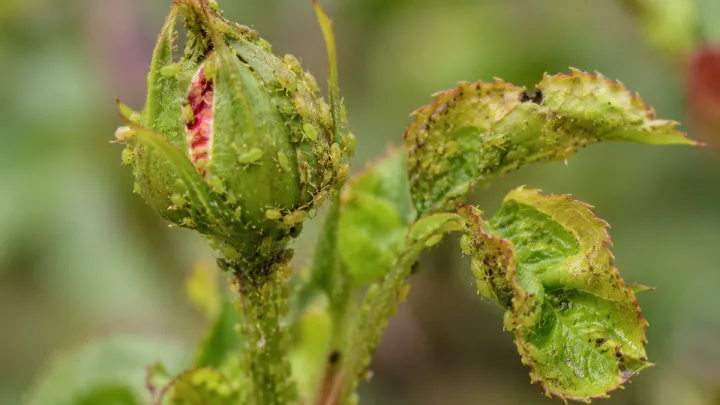
The most noticeable sign of infestation is the curling and yellowing of young leaves. Upon closer inspection, colonies of small green aphids can be found clustered on the underside of these leaves.
Honeydew secretion is a key indicator. This sugary, sticky substance is excreted by the aphids and often coats the leaves, providing a substrate for black sooty mold to grow.
Flower buds often appear stunted or deformed. They may fail to open properly, or the resulting flowers may be visually distorted, significantly impacting the aesthetic value of the garden.
The presence of ants is a common secondary sign. Ants frequently farm the aphids, protecting them from predators in exchange for the sweet honeydew, which hinders biological control.
- Leaf curling and yellowing;
- Sticky honeydew residue on foliage;
- Visible colonies on shoot tips;
- Soften/deformed flower buds;
- High ant activity around rose canes.
Control measures
Cultural control involves maintaining healthy plants through balanced fertilization. Over-application of nitrogen promotes excessive succulent growth, which is highly attractive to aphids.
Biological control relies on encouraging beneficial insects such as ladybugs, lacewings, and hoverflies. These predators naturally keep aphid populations in check and should be protected by avoiding broad-spectrum pesticides.
For low-level infestations, mechanical removal via a strong water jet or treatment with insecticidal soaps/neem oil is effective. These methods are environmentally friendly and safe for pollinators.
Chemical control should be considered a last resort. If necessary, systemic insecticides applied to the foliage can provide long-lasting control by making the plant sap toxic to the feeding aphids.
Rotation of chemical classes is essential to prevent the development of resistance. Always apply treatments during the early morning or late evening to minimize the impact on non-target beneficial insects.
Taxonomy
- Latin name
- Chaetosiphon tetrarhodum
- Order
- Hemiptera (bugs, aphids, leafhoppers)
- Family
- Aphididae
- EPPO code
- CHTSTE
Discussion
No discussions yet — be the first.