
Cereal leaf miner
Cerodontha incisa
Description
How to identify
The cereal leaf miner, scientifically known as Cerodontha incisa, belongs to the family Agromyzidae. It is a small dipteran insect typically measuring between 1.5 and 3 mm in length.
Adult flies are generally dark-colored with transparent wings. The larvae are vermiform, legless, and specialized for life inside plant tissues, protected by the leaf epidermis.
The lifecycle consists of four stages: egg, larva, pupa, and adult. Females use their ovipositor to insert eggs into the leaf mesophyll, creating small puncture wounds.
The pupation usually occurs within the mine or in the upper soil layers. Winter is typically spent in the puparial stage, waiting for warmer conditions to emerge.
Depending on environmental temperatures, this pest can complete multiple generations per season, allowing for rapid population growth in favorable climates.
What it damages
The primary hosts of Cerodontha incisa are cereals such as wheat, barley, oats, and rye. Wild grasses also serve as alternative food sources for this pest.
Damage is caused by larvae consuming the parenchyma tissue between the leaf surfaces. This feeding behavior creates characteristic tunnels known as leaf mines.
Severe infestations significantly interfere with photosynthesis, weakening the plant and reducing its overall vigor. In young plants, this can lead to stunted growth or even plant death.
Beyond direct feeding damage, the mines serve as entry points for secondary pathogens like fungi and bacteria, further compromising the health of the crop.
Yield losses occur primarily through the reduction of photosynthetic area, which is critical during the vegetative growth and grain-filling stages.
Signs of infestation
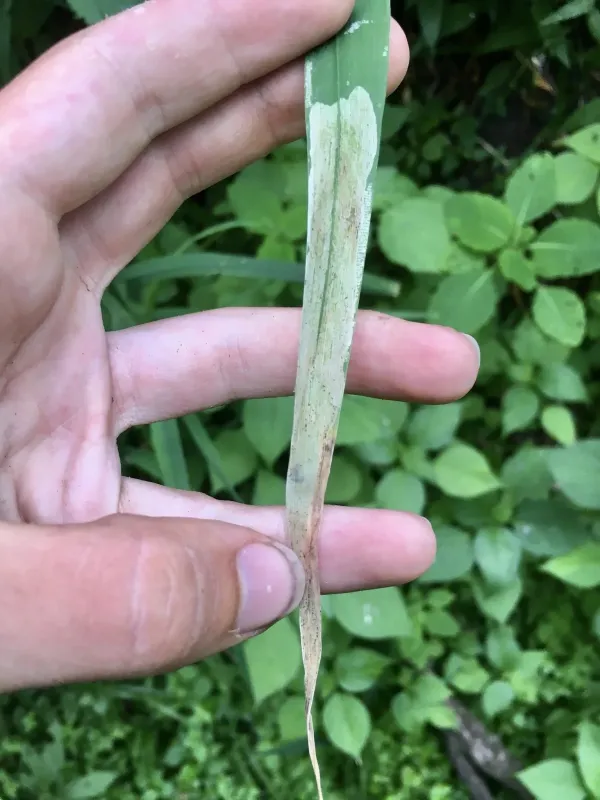
The most distinctive symptom of infestation is the appearance of leaf mines. These start as thin, whitish, winding lines and may expand into blotch-like patterns as the larva grows.
Dark spots of larval excrement are usually visible within the mines, providing a clear indication of active feeding or recent presence of the larva.
Infected leaves often turn yellow or brown and wither starting from the tips. The aesthetic and physiological degradation of the foliage is visible upon field inspection.
In cases of heavy infestation, the leaves may curl, and the overall color of the crop canopy might change, showing patches of chlorotic or necrotic tissue.
- Winding white tunnels on leaf blades.
- Presence of tiny dark frass particles inside tunnels.
- Premature yellowing and desiccation of leaf tips.
Control measures
Effective control starts with good agricultural practices. Proper crop rotation is essential to break the lifecycle and reduce the number of overwintering pupae in the soil.
Deep plowing after harvest is an effective mechanical method to bury pupae, preventing the adults from successfully emerging in the next growing season.
Weed management, particularly focusing on wild grass species, is crucial to remove reservoirs where the pest can breed before moving to cultivated crops.
Chemical control involving systemic insecticides is applied when the pest population density exceeds the economic injury level, ensuring the chemical reaches the larvae inside the leaves.
Ensuring optimal plant nutrition promotes faster growth and recovery, allowing crops to withstand the damage caused by leaf miners more effectively.
Taxonomy
- Latin name
- Cerodontha incisa
- Order
- Diptera (flies)
- Family
- Agromyzidae
- EPPO code
- CERDIN
Discussion
No discussions yet — be the first.