
Cerodontha
Cerodontha
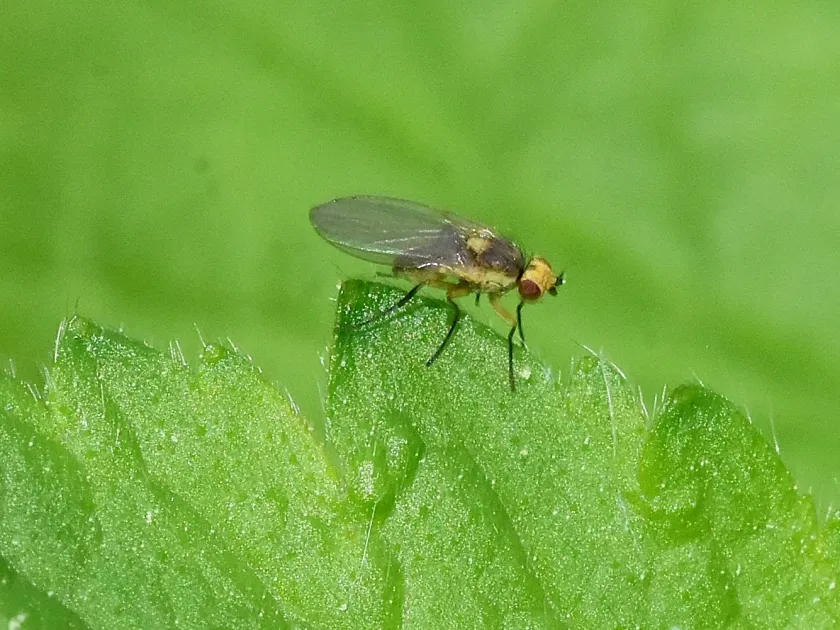
Description
How to identify
Cerodontha is a genus of small flies belonging to the Agromyzidae family, order Diptera. These insects are well-known as leaf miners, with larvae causing significant damage to various plants.
Adult flies are typically tiny, measuring 1 to 3 mm in length. They are usually dark-colored, sometimes with a metallic sheen, and are most active during the day.
The larvae are apodous (legless) and possess mouthparts adapted for tunneling through the leaf mesophyll, which is the primary source of their nutrition.
Life stages include egg, larva, puparium, and adult. The developmental time can be quite short, allowing for multiple overlapping generations within a single season.
Species identification is complex and often requires detailed examination of the larval mining patterns or genital structures by a professional entomologist.
What it damages
Cerodontha species primarily infest grasses and cereal crops, including wheat, barley, rye, and oats, as well as several wild grass species.
The larvae mine the leaf tissue, creating channels that disrupt the plant's ability to photosynthesize, which directly impacts energy production and growth.
Heavy infestation leads to a significant loss of green leaf area, which can severely reduce grain yields and biomass quality in heavily affected fields.
The tunnels created by the larvae serve as entry points for various pathogenic fungi and bacteria, leading to secondary infections that complicate the plant's health.
Young plants are particularly vulnerable, and intense mining can cause wilting or the death of seedlings if the infestation occurs early in the season.
When it appears
Activity generally begins in early spring, as temperatures rise and host plants initiate their vegetative growth phase.
Depending on the climatic zone, the pest can complete several generations throughout the growing season, with activity peaks often occurring in late spring and early summer.
Environmental moisture plays a critical role, as drought conditions can sometimes limit larval survival while optimal moisture levels favor rapid development.
Overwintering occurs in the pupal stage, usually buried in the soil or protected within dry stem residues from the previous harvest.
Regular field scouting is recommended from the moment of emergence until the grain-filling stage to track potential population surges.
Signs of infestation
The hallmark of a Cerodontha infestation is the appearance of distinct mining patterns that look like thin, pale, winding lines on the leaves.
- Yellowing and browning of the affected leaf tips.
- Visible dark streaks within the leaf tissues, which are frass deposits left by larvae.
- Reduced plant vigor and stunted development in severely infested plants.
- Necrotic lesions appearing around the mining channels on older leaves.
- Premature leaf senescence and early dieback of the lower canopy.
Control measures
Cultural control is the first line of defense, focusing on deep tillage to bury pupae and maintaining weed-free fields to eliminate secondary hosts.
Crop rotation helps break the life cycle of the pest, especially in areas where cereals are grown intensively without breaks.
Chemical control involving systemic insecticides is effective when applied during the peak flight of adults or the early stage of larval development.
Integrated pest management (IPM) should prioritize the conservation of parasitoid wasps, which are highly effective natural regulators of leaf miner populations.
Monitoring using yellow sticky traps is a practical method to detect the early arrival of adult flies and trigger timely intervention.
Taxonomy
- Latin name
- Cerodontha
- Order
- Diptera (flies)
- Family
- Agromyzidae
- EPPO code
- CERDSP
Discussion
No discussions yet — be the first.