
Bamboo aphid
Ceratovacuna nekoashi
Description
How to identify
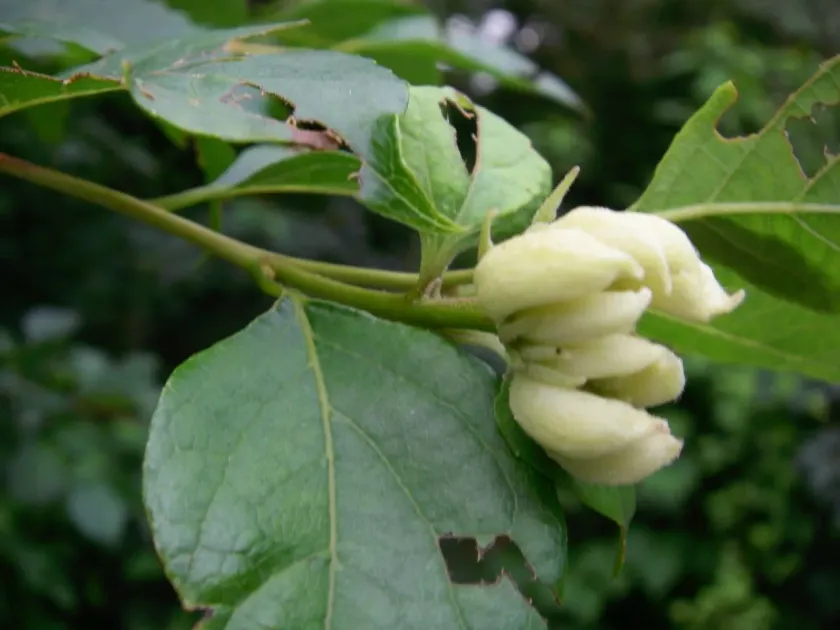
The bamboo aphid Ceratovacuna nekoashi is a specialized member of the Aphididae family, known for its unique ability to induce the formation of specialized galls on host plants. These galls are distinctively shaped.
The insect possesses a complex life cycle that involves different morphological forms. These forms are adapted to different stages of the host plant's growth, ensuring the survival of the population through seasonal changes.
Physically, these aphids are small and often covered with a white waxy secretion, which serves as a defensive mechanism against predators and environmental stress.
The species name nekoashi reflects the Japanese term for cat's paw, describing the appearance of the leaf galls it creates. This morphological feature is a primary identifier for researchers.
Understanding the biology of this pest is essential for bamboo cultivation, as their development is highly synchronized with the host plant's growth phases, particularly during the spring flush.
What it damages
This aphid primarily targets bamboo species, such as Sasa and Phyllostachys, by feeding on their sap. This feeding process directly weakens the plant's overall vigor.
The creation of galls causes significant deformation of leaves and stems. This process diverts nutrients that the plant would otherwise use for healthy growth and development.
Severe infestations lead to stunted growth and premature leaf drop. In decorative settings, the loss of foliage quality significantly impacts the aesthetic value of the bamboo.
The accumulation of honeydew secreted by the aphids provides a medium for sooty mold, which blocks sunlight and reduces the efficiency of the plant's photosynthetic processes.
Ultimately, the structural integrity of the bamboo can be compromised if the aphid population is not controlled, leading to a general decline in the health of the clump.
Signs of infestation
The most prominent sign of infestation is the appearance of oddly shaped leaf galls, which often resemble small claws or paws on the edges of the bamboo foliage.
A sticky residue known as honeydew on the leaves and nearby stems is a clear indicator of aphid presence, attracting ants that tend to the aphid colonies.
The presence of sooty mold — a black, crusty layer on the foliage — often indicates that the aphid colony has been established for a significant period.
Wilting, curling, or yellowing of young shoots can indicate that the aphids are actively draining the plant of essential nutrients during its critical growth phase.
Finding small, white, flocculent patches on the underside of leaves confirms the presence of the insect colonies, as they produce these waxy coverings for protection.
Control measures
Mechanical control is highly effective in home gardens; regularly inspect the foliage and prune off any leaves or shoots showing the characteristic gall formations.
Biological control methods, such as introducing natural predators like ladybeetles or lacewings, can help manage aphid numbers in a balanced ecosystem.
For larger infestations, systemic insecticides can be applied. These are absorbed into the plant's sap, targeting the aphids even while they reside within the protection of the galls.
Horticultural oils or insecticidal soaps are excellent alternatives that can suffocate the aphids on contact without causing long-term damage to the plant or environment.
Preventative cultural practices, such as ensuring proper plant nutrition and adequate spacing, help to keep bamboo resilient against pests and limit the potential for mass outbreaks.
Taxonomy
- Latin name
- Ceratovacuna nekoashi
- Order
- Hemiptera (bugs, aphids, leafhoppers)
- Family
- Aphididae
- EPPO code
- ASPXNE
Discussion
No discussions yet — be the first.