
Birch leaf miner moth
Caloptilia betulicola
Description
How to identify
The Birch leaf miner moth, or Caloptilia betulicola, is a small Lepidoptera species belonging to the Gracillariidae family.
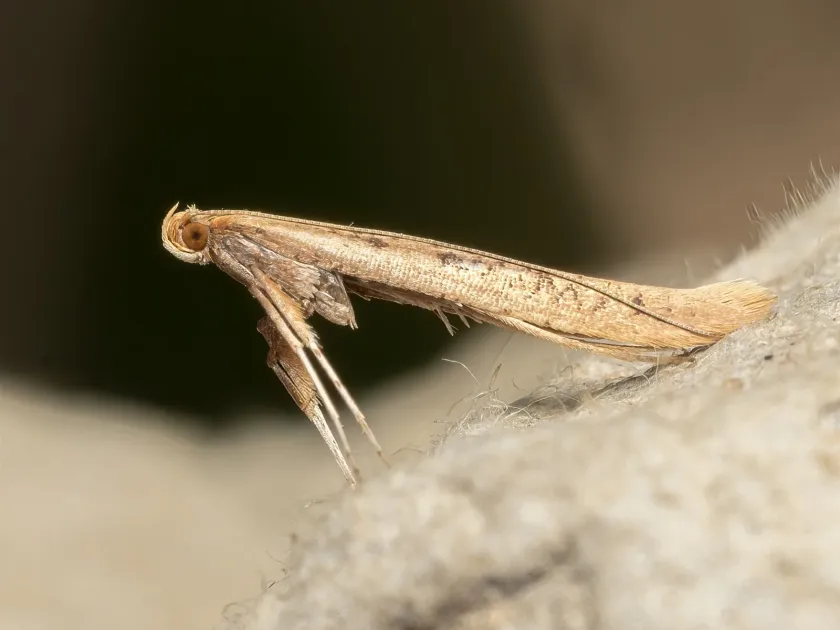
The adult moth is characterized by its narrow, fringed wings, which typically display intricate patterns allowing for camouflage on tree bark.
The larvae undergo significant changes in morphology throughout their development, transitioning from leaf-miners to leaf-rollers.
Biological identification requires examining the larval feeding patterns and the specific shape of the leaf-cones constructed by the caterpillars.
While often confused with other species, this moth is strictly associated with birch host plants, making its identification predictable in forest ecosystems.
What it damages
The moth specifically targets birch trees (Betula), affecting both wild populations and urban ornamental landscaping.
Initial larval stages damage the interior leaf tissue, creating mines that disrupt nutrient transport and reduce photosynthetic capacity.
Later stages of the larvae roll the leaves into conical shapes, causing visible deformation and tissue necrosis.
Severe infestations can lead to significant defoliation, which causes physiological stress to the tree, especially during dry summers.
Weakened trees become more susceptible to secondary pests and fungal infections due to the loss of leaf surface area.
When it appears
The flight period of adult moths typically begins in late spring, aligning with the emergence of new birch foliage.
Eggs are laid individually on the underside of the leaves, where the larvae begin mining immediately upon hatching.
The species usually completes two to three generations per year, depending on the latitude and local climate conditions.
Late summer and autumn generations focus on preparing for overwintering, often pupating in leaf litter or bark crevices.
Development cycles are highly synchronized with the growth phases of the host tree, ensuring sufficient nutrition for the developing larvae.
Signs of infestation
Early symptoms include faint, winding trails (mines) visible on the leaf surface, created by the young larvae feeding inside.
As the larvae grow, the most obvious sign is the presence of neatly rolled or cone-shaped leaves held together by silk threads.
Brown spots or withered leaf margins appearing prematurely are indicators of localized feeding activity within the canopy.
Frass (larval excrement) found inside the rolled leaf structures confirms the presence of an active infestation.
Extensive browning of the canopy is a clear indicator that the pest population has reached a damaging threshold.
Control measures
Sanitation is key; collecting and destroying fallen leaves in the autumn removes the pupal stage, preventing next year's infestation.
For ornamental trees, applying systemic insecticides during the early larval stage can provide effective protection against damage.
Encouraging natural predators, such as parasitic wasps, can help maintain moth populations below the economic threshold level.
Biological control agents, such as those containing Bacillus thuringiensis, are effective and eco-friendly options for managing leaf miners.
Regular monitoring of canopy health in early spring allows for timely intervention before the caterpillars begin their leaf-rolling phase.
Taxonomy
- Latin name
- Caloptilia betulicola
- Order
- Lepidoptera (butterflies)
- Family
- Gracillariidae
- EPPO code
- GRACBE
Discussion
No discussions yet — be the first.