
Elm gall aphid
Byrsocrypta caerulescens
Description
How to identify
The elm gall aphid (Byrsocrypta caerulescens) is a member of the Aphididae family, known for its complex lifecycle and host alternation.
These insects are highly specialized, evolving to create protective structures called galls on the leaves of their host plants to thrive safely.
The taxonomic position of this species places it within the order Hemiptera, characterized by piercing-sucking mouthparts used to feed on plant sap.
Morphologically, they are small, often pale or yellowish, and are rarely seen in the open, as they prefer the enclosed environment of the leaf galls.
The species has developed a strategy of migrating between elm trees and secondary herbaceous hosts to optimize their survival throughout the year.
What it damages
Elm trees serve as the primary host, where the aphids cause the formation of characteristic leaf galls that distort the foliage.
Feeding by the aphids triggers a physiological reaction in the leaf tissue, resulting in abnormal growth that creates a hollow chamber for the colony.
While often considered an aesthetic issue, severe infestations can lead to significant defoliation and stress, impacting the tree's overall vigor.
Young trees in nurseries are particularly vulnerable, as repeated damage can stunt growth and compromise their development during critical stages.
The presence of honeydew secreted by the aphids can promote the growth of sooty mold, further reducing the tree's ability to photosynthesize effectively.
When it appears
The lifecycle begins in early spring when overwintering eggs hatch, and the young aphids immediately begin feeding on developing elm buds.
Gall formation occurs during the late spring and early summer as the aphid population expands rapidly inside the protective leaf tissue.
By mid-summer, winged adults emerge and migrate to secondary hosts, leaving the elm trees until the return migration occurs in the autumn.
The autumn generation returns to the elm to lay the eggs that will remain dormant in the bark cracks throughout the winter months.
Timing interventions is crucial, as the aphids are most vulnerable before they successfully establish the protective galls on the tree.
Signs of infestation
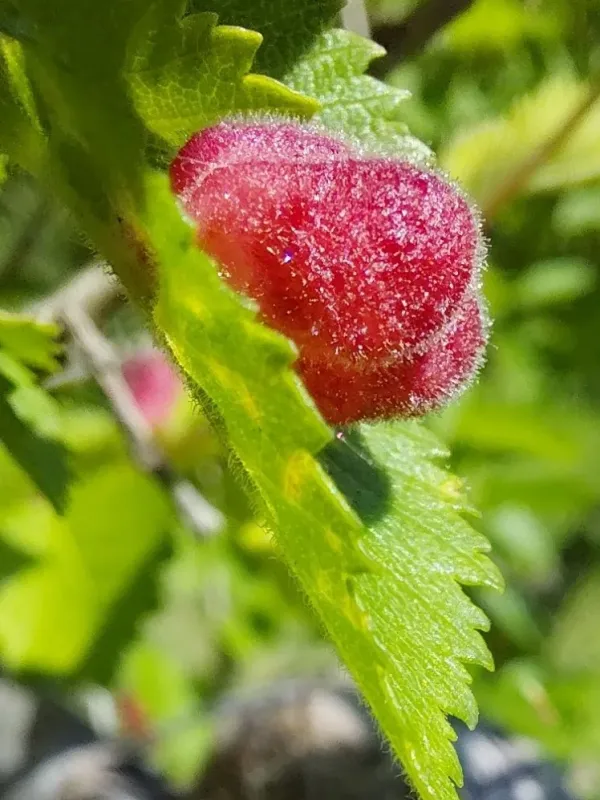
Visible signs of an infestation include the appearance of curled or distorted leaves with distinct, swollen bumps known as galls.
These galls are often yellow, green, or red, depending on the specific stage of development and the condition of the host leaf.
Sticky honeydew deposits on the branches or under the tree canopy are common indicators of a heavy infestation by sap-sucking insects.
Premature leaf drop during the summer season often suggests that the tree has been under significant stress from a persistent aphid colony.
- Distorted and curled elm leaves.
- Development of distinct hollow galls.
- Sticky honeydew residue on branches.
- Early leaf fall and reduced tree vigor.
Control measures
Effective management begins with preventative spraying of systemic insecticides applied just as the elm buds begin to break in the spring.
If galls have already formed, control becomes much more difficult because the aphids are protected inside the plant tissue from contact sprays.
Pruning out infested twigs during the early stages of gall development can help reduce the local population and prevent further spread.
Encouraging beneficial insects such as lady beetles and lacewings in the landscape can provide natural suppression of aphid populations.
Maintaining tree health through proper fertilization and watering helps the elm withstand and recover from the stress caused by the aphid feeding.
Taxonomy
- Latin name
- Byrsocrypta caerulescens
- Order
- Hemiptera (bugs, aphids, leafhoppers)
- Family
- Aphididae
- EPPO code
- BYRSCA
Discussion
No discussions yet — be the first.