
Pine wood nematode
Bursaphelenchus xylophilus
Description
How to identify
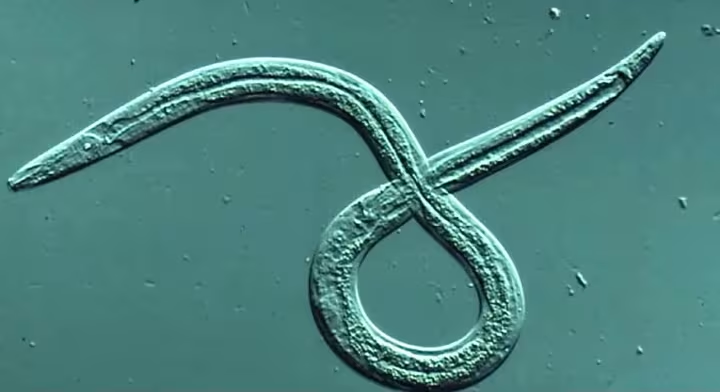
The pine wood nematode is a microscopic roundworm that poses a severe threat to coniferous forests across the globe, especially in temperate regions.
It belongs to the order Aphelenchida and the family Aphelenchoididae, characterized by its complex interaction with wood-boring beetles of the genus Monochamus.
Since the nematode is less than 1 millimeter long, its identification is only possible through laboratory analysis involving light microscopy and DNA-based testing.
The organism has a dual life cycle involving both a dispersal stage, which hitches a ride on beetles, and a reproductive stage within the tree tissue.
Accurate diagnosis is crucial for regulatory bodies, as this pest is listed as a major quarantine organism in many countries requiring strict monitoring.
What it damages
This pest primarily infests various Pinus species, leading to a condition commonly referred to as pine wilt disease, which is highly lethal to susceptible hosts.
Once inside the tree, nematodes migrate to the resin canals and tracheids, where they consume epithelial cells and rapidly multiply within the xylem.
The blockage of the tree's water-conducting system leads to acute drought stress, causing the tree to lose its ability to maintain normal metabolic functions.
In susceptible pine stands, the infection can cause mortality in a very short time frame, potentially destroying large forest areas in just one or two seasons.
The economic impact involves not only timber loss but also significant trade restrictions on wood products that may harbor the nematode or its vectors.
Signs of infestation
The most distinctive early symptom is a sudden reduction or complete cessation of resin flow, which is a clear indicator of physiological dysfunction.
Needle yellowing and browning occur rapidly, and the crown will show signs of wilting while the needles remain attached to the branches for a period of time.
Internal wood staining, often caused by fungi introduced by the nematode and its vectors, can be observed on cross-sections of the trunk.
The presence of exit holes from Monochamus beetles on the bark provides additional evidence of the potential vector activity in the infested stand.
- Cessation of resin production.
- Rapid yellowing and browning of needles.
- Crown wilting symptoms.
- Internal discoloration of wood.
- Visible beetle emergence holes.
Control measures
Stringent quarantine and movement restrictions for wood products with bark are the primary defenses against the accidental spread of the nematode.
Sanitation cutting, which involves the immediate removal and destruction of infested trees, is essential to curb the beetle vector population.
Heat treatment of timber, ensuring the core temperature reaches at least 56 degrees Celsius, is the standard method for decontaminating exported wood products.
Integrated pest management programs often include the use of pheromone traps to monitor and reduce the population density of adult beetles in high-risk areas.
Ongoing research focuses on breeding resistant pine varieties and developing biological control agents to manage the nematode populations within sustainable forestry.
Taxonomy
- Latin name
- Bursaphelenchus xylophilus
- Order
- Nematodes
- Family
- Aphelenchoididae
- EPPO code
- BURSXY
Discussion
No discussions yet — be the first.