
Pine wilt nematode
Bursaphelenchus
Description
How to identify
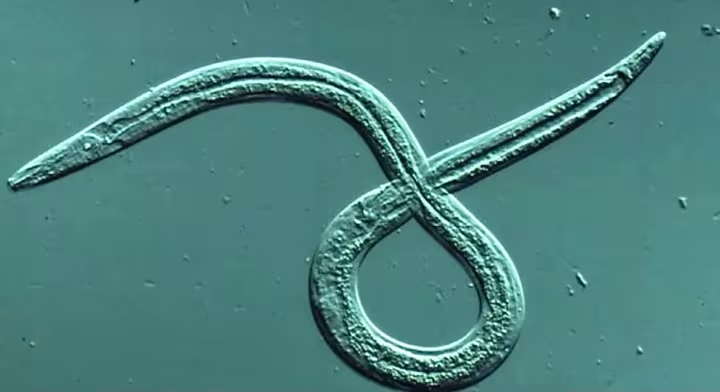
The pine wilt nematode (Bursaphelenchus xylophilus) is a microscopic worm belonging to the family Aphelenchoididae, order Aphelenchida.
This organism is characterized by a specific morphology, including a small stylet used for piercing and feeding on pine wood cells.
The nematode relies on its vector, the pine sawyer beetle (Monochamus species), to migrate between host trees.
The lifecycle includes a reproductive phase within the wood and a resistant dispersal stage that attaches to the beetle vectors.
Laboratory diagnosis is strictly required for identification, as symptoms can often be confused with other tree stressors or drought damage.
What it damages
The primary hosts are pine trees (Pinus species), although other conifers like spruce or fir can also be affected in specific regions.
The nematode destroys epithelial cells of the resin ducts, leading to a disruption of the tree's water transport system (xylem).
This physiological blockade causes rapid wilting of the crown, which can lead to the total mortality of the tree within several weeks.
Infested stands experience significant economic losses, as timber quality degrades rapidly after the death of the tree.
The pest poses a massive threat to global forestry, leading to environmental instability and loss of valuable biodiversity.
When it appears
The activity of the pine wilt nematode is highly dependent on high ambient temperatures, which favor its rapid reproduction rate.
During the spring and summer months, the nematode population explodes within the host tree as temperatures exceed 20°C.
Beetle emergence coincides with the peak movement of nematodes, as they transfer into the insect's tracheal system.
In the autumn, as temperatures drop, the nematode population shifts into the dispersal stage to hitch a ride on new beetle generations.
Winter survival is ensured within the tissues of dead or dying trees where the nematode remains dormant until the next active season.
Signs of infestation
The most distinctive symptom is the cessation of resin flow, which makes the tree highly susceptible to other secondary pests.
The needles rapidly transition from green to yellow and finally to a brownish color while still attached to the branches.
Total wilting of the tree typically occurs in a very short timeframe, often within a single growing season after initial infection.
Bark surface shows signs of beetle entry and exit holes, which are indicators of the primary vector population being present.
Internal wood samples reveal blue-staining fungi, which are often introduced along with the nematodes during the feeding process.
Control measures
Rigorous quarantine protocols and regional movement restrictions on pine timber are essential to prevent the spread of this pest.
Sanitation practices involving the removal and immediate destruction of infested trees are the most effective way to curb outbreaks.
Heat treatment of wood products, ensuring the core reaches at least 56°C for 30 minutes, is required for international trade compliance.
- Application of systemic insecticides for high-value ornamental trees.
- Monitoring beetle population levels using pheromone traps.
- Silvicultural management to increase stand health and vigor.
Biological management, focusing on predator-prey relationships of the beetle vector, remains a critical area for research and sustainable control.
Taxonomy
- Latin name
- Bursaphelenchus
- Order
- Nematodes
- Family
- Aphelenchoididae
- EPPO code
- BURSSP
Discussion
No discussions yet — be the first.