
Asparagus aphid
Brachycorynella
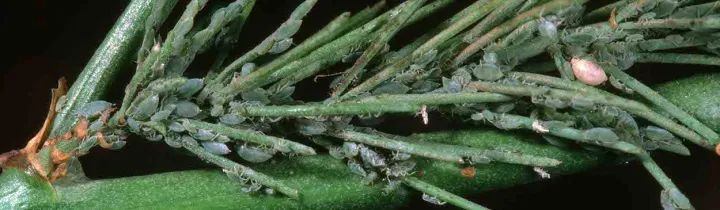
Description
How to identify
The asparagus aphid, scientifically known as Brachycorynella asparagi, is a specific pest belonging to the Aphididae family. It is a highly specialized insect that primarily targets asparagus crops.
Adult aphids are small and often go unnoticed until their colonies become large enough to cause visible damage. Their bodies are adapted to hide in the tight scales of developing asparagus spears.
The life cycle involves rapid reproduction, often through parthenogenesis, allowing a single aphid to produce numerous generations within a single growing season. This reproductive strategy facilitates quick population growth.
Taxonomically, this species belongs to the order Hemiptera. Their specialized mouthparts are designed to pierce plant tissues and extract nutrients efficiently, which is why they are highly successful pests.
Field scouting is essential for identification. Agronomists look for early signs of infestation by closely examining the tips of spears, especially during the peak spring growth phase.
What it damages
The primary host plant for this pest is Asparagus officinalis. Both nymphs and adults feed by sucking sap from the spears, which directly stunts the plant's growth and diminishes yield quality.
When feeding, the aphids inject toxic saliva into the plant. This causes severe physiological stress, leading to the characteristic distortion of spears known as the "witches' broom" effect.
In addition to stunted growth, the damaged spears become brittle and unmarketable. The structural integrity of the plant is compromised, making it susceptible to various environmental stresses.
Heavy infestations can cause significant economic losses by rendering entire crops unfit for human consumption. If left uncontrolled, the aphid population can destroy the aesthetic and commercial value of a field.
Furthermore, the damage caused by feeding often opens entry points for secondary pathogens, such as fungi, which can exacerbate the decline of the asparagus plantation throughout the season.
When it appears
The asparagus aphid typically emerges in early spring, synchronized with the emergence of new asparagus spears from the soil. Early detection during this period is critical for management.
The peak population density usually occurs in late spring and early summer, when weather conditions are optimal for the rapid reproductive cycles of the species.
Multiple generations occur throughout the growing season. The number of generations is highly dependent on ambient temperature, with warmer periods leading to shorter developmental cycles and larger populations.
As the season progresses and plant tissues harden, the aphids move to prepare for overwintering. They usually seek shelter within crop debris or at the base of the plant to survive cold weather.
Monitoring should be continuous from the moment the first spears appear until the end of the harvest. Consistent observation helps in timing interventions to maintain the health of the plantation.
Signs of infestation
The most distinctive symptom of an infestation is the clustering and hardening of spear tips, often referred to as "witches' broom" due to the compact and deformed appearance of the growth.
Aphids excrete honeydew, which creates a sticky surface on the plants. This honeydew often encourages the growth of sooty mold, appearing as black patches on the stalks and foliage.
Affected plants show signs of yellowing and premature drying. This is a result of the constant sap removal, which interferes with the plant’s ability to conduct photosynthesis effectively.
Colonies of the aphids are usually found hidden under the scales of the asparagus spears. A close inspection of these hidden areas reveals the presence of the pests before the external symptoms become severe.
- Distorted, stunted spear tips.
- Sticky honeydew residues.
- Sooty mold growth on surfaces.
- Yellowing of foliage and needles.
- Visible aphid colonies under scale leaves.
Control measures
Cultural control is the first line of defense. Removing and destroying crop debris after the season eliminates the primary overwintering sites, significantly reducing the population for the following year.
Encouraging natural predators such as lady beetles, lacewings, and parasitic wasps is an effective biological control strategy. Maintaining high biodiversity in and around the field supports these beneficial insects.
Chemical control is necessary when economic thresholds are exceeded. Systemic insecticides are generally preferred as they protect the plant from within and offer long-lasting control against aphids.
Always adhere strictly to pre-harvest intervals when applying pesticides. Ensuring that chemicals are applied safely and according to regulations is vital for both food safety and environmental protection.
Integrated Pest Management (IPM) is the most sustainable approach. By combining regular field monitoring, cultural practices, and targeted chemical applications, growers can manage asparagus aphid levels effectively.
Taxonomy
- Latin name
- Brachycorynella
- Order
- Hemiptera (bugs, aphids, leafhoppers)
- Family
- Aphididae
- EPPO code
- BRCLSP
Discussion
No discussions yet — be the first.