
Cereal aphid fly
Brachycolus
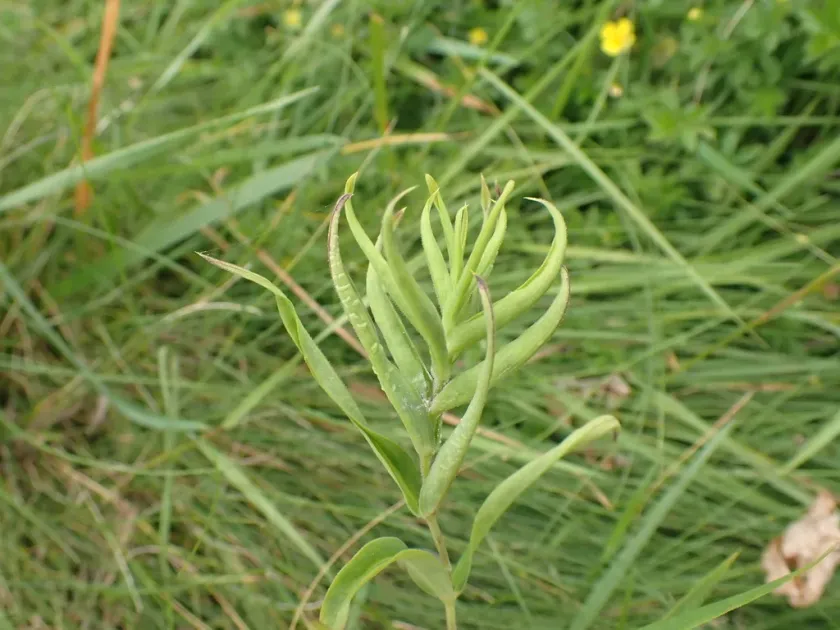
Description
How to identify
The cereal aphid fly (Latin Brachycolus) is a small insect belonging to the Chloropidae family. Adult specimens typically measure 2–3 mm in length and exhibit a greenish-grey or brownish coloration, providing excellent camouflage on cereal crops.
Taxonomically, this pest is classified under the order Diptera. Despite its common name, its feeding habits and interaction with host plants are unique, as it focuses on suppressing stem growth and deforming spikes, which sets it apart from other grain flies.
The larvae are light-colored and cylindrical, usually growing up to 3–4 mm long. They prefer a concealed lifestyle, dwelling within the stem or beneath leaf sheaths, where they feed and complete their developmental stages undisturbed.
The life cycle of the insect is strictly synchronized with the phenology of host cereals. Depending on the climate, the pest can produce multiple generations per season, allowing the population to expand rapidly under favorable weather conditions.
Adults possess specialized mouthparts for piercing plant tissues and extracting sap. They are active fliers, moving across fields to identify the healthiest and most succulent crops for egg-laying and development.
What it damages
The primary hosts of the cereal aphid fly include wheat, barley, and oats. In addition to these major crops, wild grasses often serve as natural reservoirs, allowing the pest to survive and propagate throughout the off-season.
Economic losses are most significant during the booting and heading stages of the host plants. During this period, the insects disrupt nutrient transport, leading to stunted development and general physiological stress.
Damage to the central leaf typically manifests as curling and yellowing. As the infestation progresses, the host plant loses the ability to tiller properly, significantly reducing the density and overall yield potential of the field.
Spike deformation is another major indicator of damage. Often, the spike fails to emerge from the leaf sheath properly, leading to incomplete pollination and the production of shriveled, low-quality grains.
In drought-stricken areas, the damage is amplified. Stressed plants cannot recover from the feeding pressure of the larvae, often resulting in complete plant loss or significant patchiness across the field.
When it appears
Pest activity commences in early spring as temperatures rise above the threshold for insect emergence. Overwintering adults migrate from their shelters to newly sprouting winter and spring cereal crops.
Peak population levels generally align with the period of rapid vegetative growth of cereal crops. During this phase, adults are most aggressive in their search for host tissues to deposit their eggs.
Summer generations develop at a faster rate, particularly under moderate humidity levels. Late summer often brings a decline in adult activity as individuals move toward late-season crops or weed hosts to prepare for the coming colder months.
Autumn marks the transition to winter crop infestations. Larvae can severely impact seedling survival and vigor, which indirectly lowers the plants' frost resistance during the winter dormancy period.
The pest overwinters either as adults or eggs, hidden in plant debris, soil crevices, or the root zones of grassy weeds. This survival strategy ensures that the population remains established even in regions with harsh winters.
Signs of infestation
The earliest symptom of infestation is the characteristic curling of the upper leaves. If a curled leaf is unfurled, one can usually observe the larvae or dark waste deposits left by the pest.
- Curling and yellowing of young leaves.
- Shortening of stem internodes.
- Deformed or trapped spikes within the leaf sheath.
- Presence of «white heads» among healthy plants.
- Reduced tillering capacity in young crops.
In the field, infested areas appear as patches of stunted, low-growing plants. These spots are often clearly visible against the backdrop of healthy, evenly developing crops in the surrounding area.
Closer examination of the lower stem reveals damage to the plant tissue caused by larval feeding. Affected areas may become soft, discolored, or show signs of early necrosis due to secondary infections.
Diagnosis is sometimes challenging due to overlapping symptoms with other cereal pests. Entomological monitoring and regular plant sampling are necessary to confirm the presence and density of the cereal aphid fly.
Control measures
Agronomic practices form the foundation of protection. Effective strategies include strict crop rotation to avoid continuous cereal cultivation, as well as deep autumn plowing to eliminate overwintering sites.
Weed management, particularly focusing on grassy weeds, is critical to eliminate alternative food sources for the fly. Adjusting planting dates to ensure that susceptible growth stages avoid peak insect activity is also highly recommended.
Chemical control should be implemented based on economic injury thresholds. Insecticide applications are most effective when timed with the mass migration of adults, prior to the peak egg-laying phase.
Biological control methods involving the conservation of natural predators, such as carabid beetles and parasitic wasps, help regulate pest numbers naturally. These practices are increasingly popular in sustainable farming systems.
Continuous monitoring using yellow sticky traps and field inspections allows for data-driven decisions regarding pest control, ultimately optimizing input costs and ensuring a higher quality of the final harvest.
Taxonomy
- Latin name
- Brachycolus
- Order
- Hemiptera (bugs, aphids, leafhoppers)
- Family
- Aphididae
- EPPO code
- BRAYSP
Discussion
No discussions yet — be the first.