
Blastobasis decolorella
Blastobasis decolorella
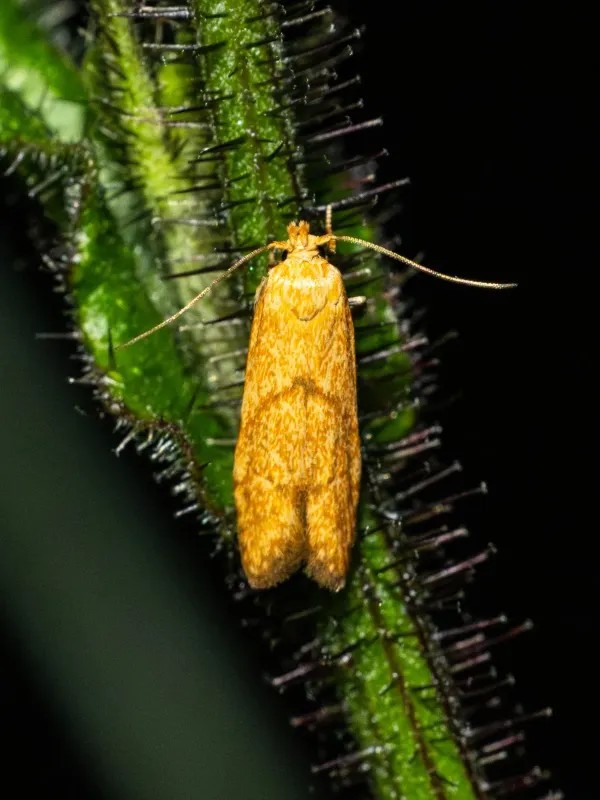
Description
How to identify
Blastobasis decolorella is a moth species belonging to the family Blastobasidae, within the order Lepidoptera. The adult moth is relatively small, with a wingspan of approximately 15–20 mm, characterized by dull, cryptic coloration in shades of brown and gray that allows it to blend into bark and foliage.
The larvae, or caterpillars, grow to about 12–15 mm in length. Their bodies are typically pale, ranging from yellowish-white to dirty pink, with a darker brown head. Because the larvae are cryptic and spend most of their time inside fruit, they are often identified by the damage they leave behind rather than direct observation.
The insect undergoes a complete life cycle comprising egg, larva, pupa, and adult stages. The pupa, which is reddish-brown, is typically found in dry fruit remnants, leaf litter, or deep within bark crevices, providing it with significant protection against environmental stressors and predators.
This species exhibits remarkable ecological plasticity, allowing it to adapt to various climates. Over the past few decades, its geographical range has expanded significantly across Europe, turning it from a localized insect into a notable pest for commercial fruit production and home gardening.
Monitoring adult moths is challenging due to their nocturnal habits. Effective surveillance requires the deployment of pheromone or light traps in the orchard, which are essential for identifying the precise timing of flight activity and the beginning of the egg-laying season.
What it damages
Blastobasis decolorella is a generalist feeder capable of attacking a wide range of host plants. It is particularly damaging to pome and stone fruits, including apple, pear, plum, and peach, where it directly affects the marketability and yield of the fruit.
Beyond commercial fruit trees, the larvae are known to infest berry bushes such as currants and gooseberries, as well as several ornamental plant species. This diverse host range makes it difficult to manage, as the pest can survive and thrive in varied agricultural and garden environments.
Larvae primarily feed on the internal tissues of the fruit. They typically enter the fruit through existing skin abrasions, the stalk area, or other natural openings. Once inside, they create galleries, which become rapidly contaminated with frass, rendering the fruit inedible.
These feeding galleries provide entry points for secondary pathogens, such as various fruit-rotting fungi. Consequently, infestations often lead to premature fruit drop and significant decay, which can ruin a large portion of the harvest before it even reaches maturity.
In cases of high population density, economic losses can be substantial. Even if the fruit remains on the tree, the internal damage makes it unsuitable for long-term storage or processing, leading to quality downgrading or total rejection by consumers and processing facilities.
When it appears
The activity period of this pest is highly dependent on regional climatic conditions. Typically, the first flight of adults occurs in late spring as temperatures rise, signaling the beginning of the reproductive cycle for the season.
Multiple generations of the insect can occur within a single growing season. This ensures that the pest remains active throughout the majority of the vegetation period, attacking fruit as it develops and matures, right up until the time of harvest.
The most intense damage usually occurs during mid-to-late summer, as the fruit reaches a stage of development that is highly attractive for oviposition. Late-maturing varieties of apples and pears are particularly susceptible during this high-risk window.
As autumn approaches, the final generation of larvae seeks protected sites for pupation. The insect typically overwinters in the pupal stage, encased in cocoons hidden in plant debris, bark fissures, or the dried, mummified fruit left on trees after harvest.
Agronomic observations indicate that milder winters correlate with higher pupal survival rates. This often leads to earlier and more synchronized moth emergence in the following spring, necessitating a proactive and adaptive approach to orchard management.
Signs of infestation
The primary indicator of an infestation is the presence of small entrance holes in the fruit, often surrounded by accumulations of frass. These telltale signs are frequently found around the stem area or where two fruits come into contact.
Premature discoloration or localized browning of the fruit skin around the entry point is another common sign. This discolored area is often the start of a secondary rot, which can spread quickly and soften the surrounding tissues of the fruit.
Internally, the damage is characterized by intricate, winding galleries bored through the flesh. The larva itself can often be found deep within the fruit, near the seed core, making it difficult to detect without cutting the fruit open.
The presence of fine silk webbing near the stem or between clustered fruits is a strong indicator of larval activity. The caterpillars use this silk to secure the fruit in place or to create a protected micro-environment during their development.
Massive premature fruit drop is a severe sign of infestation. Regularly gathering and inspecting fallen fruit is a practical diagnostic method, as it allows growers to confirm the presence of the larvae and assess the extent of the damage within the orchard.
Control measures
Cultural control is the cornerstone of managing this pest. Consistently collecting and disposing of fallen fruit (windfalls) is essential to disrupt the life cycle, as it removes the larvae before they can pupate and complete their development.
Proper orchard hygiene, including the removal of mummified fruit remaining on the branches after the harvest, is critical for reducing overwintering populations. Eliminating these protected sites significantly decreases the pressure for the following season.
Pheromone trap monitoring is vital to determine the exact timing for intervention. By tracking the adult flight, growers can apply treatments during the egg-laying stage, which is the most vulnerable point in the life cycle of the pest.
When chemical intervention is necessary, systemic or contact insecticides approved for orchard use should be applied. Always ensure adherence to pre-harvest intervals (PHI) to maintain food safety and comply with agricultural regulations.
Biological control, including the use of B. thuringiensis, can be effective if applied during the early larval stages. Integrating these biological solutions with good agricultural practices creates a sustainable framework that minimizes the need for harsh synthetic chemicals.
Taxonomy
- Latin name
- Blastobasis decolorella
- Order
- Lepidoptera (butterflies)
- Family
- Blastobasidae
- EPPO code
- BLAADE
Discussion
No discussions yet — be the first.