
Blastobasis
Blastobasis
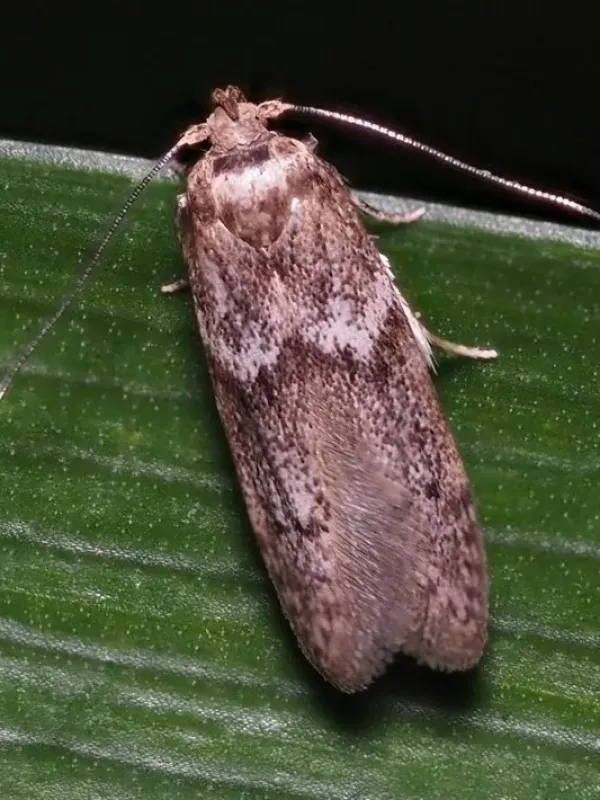
Description
How to identify
The genus Blastobasis belongs to the family Blastobasidae within the order Lepidoptera. These are typically small, nocturnal moths that often evade detection due to their cryptic coloration and subtle behavior in field conditions.
Adult moths are characterized by narrow, fringed wings, which is a common trait for species in this family. Their dull, mottled appearance provides excellent camouflage against bark, dry leaves, and organic debris.
The larval stage, or caterpillar, is the most active phase. These larvae possess well-developed prolegs and mandibles, enabling them to tunnel through fruit, seeds, and organic matter with high efficiency.
The life cycle encompasses a complete metamorphosis: egg, larva, pupa, and adult. Many species are opportunistic, sometimes feeding as saprophages on decaying plant material before shifting their diet to healthy plant tissues.
Overwintering usually occurs as late-instar larvae or pupae encased in cocoons. They seek shelter in crevices of tree bark, plant stems, or within the protective layers of fruit or grain stores.
##damage##Blastobasis species cause significant damage to a wide range of agricultural commodities, including pome fruits like apples and pears, stone fruits, nut crops such as pistachios, and various stored grain products.
Larvae are primarily internal feeders. They bore into the fruit or seeds, consuming the pulp or embryo. This feeding behavior destroys the structural integrity of the commodity and renders it commercially unmarketable.
In storage facilities, the larvae create webs that bind grains or fruit together, creating clumps. This activity promotes moisture accumulation, which in turn leads to rapid spoilage and secondary colonization by fungal pathogens.
The presence of tunneling larvae creates entry points for various microbial infections. Bacteria and fungi exploit these wounds to cause fruit rot, further exacerbating the economic loss for farmers and producers.
Young buds and developing shoots can also be targeted by larvae. This feeding can lead to reduced fruit set, stunting the growth of the crop and lowering overall yield potential in commercial orchards.
##signs##A primary indicator of infestation is the presence of larval frass (excrement) around the points of entry, typically near the stem or where two fruits touch. This debris is often visible to the naked eye.
Damage is often identified by tiny entrance holes covered with fine webbing. As larvae feed inside, the fruit may show localized dark spots, shriveling, or premature ripening and dropping from the tree.
Inside infested nuts or fruits, one can find extensive galleries or cavities filled with a mixture of frass and uneaten plant matter. These internal signs confirm that the infestation is well-established.
In stored goods, the appearance of silk webbing and aggregated particles indicates active larval feeding. The presence of emerging adult moths in the storage area is a late-stage signal of a high population density.
Cocoons can often be found in the cracks of wooden crates or on the bark of trees near the infested sites. Identifying these overwintering structures is crucial for locating the source of the infestation.
##control##Sanitation is the most effective proactive measure. This includes the complete removal and destruction of fallen fruit and crop residues that may harbor overwintering pupae or larvae.
Cultural control practices, such as pruning and cleaning tree trunks, help remove potential breeding sites for the pest. Removing old or loose bark reduces the number of niches available for larvae to hibernate.
Monitoring using pheromone traps is essential for tracking population levels and timing the application of control measures. This allows for targeted interventions exactly when the moths are active.
Chemical control involving insecticides can be applied during peak periods of larval hatching. Targeting the larvae before they bore into the fruit is critical for achieving optimal protection levels.
In storage environments, structural fumigation and the maintenance of controlled temperature and humidity levels are required to prevent larval development and stop the spread of the infestation through the commodity stock.
Taxonomy
- Latin name
- Blastobasis
- Order
- Lepidoptera (butterflies)
- Family
- Blastobasidae
- EPPO code
- BLAASP
Discussion
No discussions yet — be the first.