
Blaps
Blaps
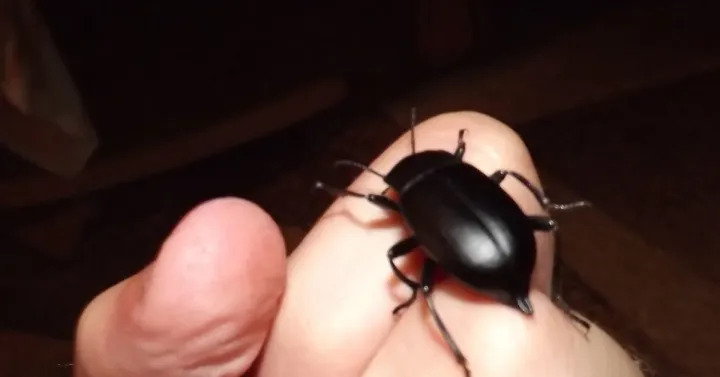
Description
How to identify
Blaps beetles belong to the family Tenebrionidae, commonly known as darkling beetles. Adult beetles have a distinct black or dark brown body, usually measuring between 20 and 30 mm in length, often with a matte finish.
A distinctive feature of the imago is the elongated shape of the elytra, which often taper towards the posterior end, forming a characteristic spine-like structure. These beetles are nocturnal and crepuscular, seeking shelter during the day.
The larvae, known as false wireworms, differ from click beetle larvae by having a harder chitinous exoskeleton and a brownish coloration. They possess a cylindrical body with well-developed thoracic legs.
The insect undergoes a complete metamorphosis cycle: egg, larva (which goes through several instars), pupa, and imago. Larvae can remain in the soil for extended periods, gradually increasing in size over time.
Optimal conditions for Blaps reproduction are found in arid regions, where they prefer chernozem and chestnut soils, burrowing deep into the ground to overwinter.
What it damages
The primary damage is caused by the larvae, which inhabit the upper soil layers and attack sown seeds, as well as emerging crop seedlings.
This pest is particularly dangerous to cereal crops such as winter and spring wheat, barley, and rye, where larvae consume the seed embryos buried in the soil.
Blaps are also frequently found in row crops, including corn, sunflowers, and sugar beets, where they gnaw on the subterranean parts of the stems.
Occasionally, adult beetles feed on the vegetative organs of plants, specifically the leaves, though the economic damage caused by adults is significantly lower than that caused by larvae.
High populations of false wireworms can lead to patchy crop emergence and reduced plant density, often necessitating the reseeding of large areas.
When it appears
Adult beetle activity typically begins in the spring, as soil temperatures rise to moderate levels, and continues throughout the summer until autumn.
Egg-laying occurs directly in the soil, followed by the hatching of larvae, which begin to feed actively on organic debris and the subterranean parts of host plants.
The most severe damage to crops occurs during the spring, when plants are in the vulnerable phases of seed germination and early seedling development.
Overwintering takes place primarily in the larval stage or as adult beetles, deep within the soil profile, providing significant resistance to cold temperatures.
In drought years, when natural food sources like humus are scarce, the destructive pressure of larvae on cultivated plants increases significantly.
Signs of infestation
The first sign of an infestation is the appearance of bare patches in fields, where mass thinning of plant stands is observed.
Upon inspecting damaged plants, seeds are often found to be consumed, either completely missing their embryos or showing clear drill holes.
Young sprouts often exhibit damage around the root neck area, which typically leads to wilting and the subsequent death of the entire plant.
The presence of beetles in the soil can be confirmed through soil sampling or the placement of pitfall traps between crop rows.
- Poor crop establishment in early growth stages.
- Presence of characteristic hard larvae in the topsoil.
- Specific injuries to the underground parts of stems.
Control measures
A key method for control is deep autumn plowing, which disturbs the habitat of the larvae and often leads to their mortality due to exposure to predators.
Crop rotation is essential to prevent the continuous cultivation of susceptible cereals, effectively starving the pest by eliminating its food source in a given field.
In cases of high infestation, seed treatment with systemic insecticides is highly effective, providing protection to seedlings during the initial weeks of development.
The application of soil insecticides or the use of bait stations may be justified only when the economic threshold of damage is exceeded.
Rigorous weed control both within fields and along field margins reduces the available cover and alternative food sources for the beetle during the summer season.
Taxonomy
- Latin name
- Blaps
- Order
- Coleoptera (beetles)
- Family
- Tenebrionidae
- EPPO code
- BAPSSP
Discussion
No discussions yet — be the first.